Get your free personalized podcast brief
We scan new podcasts and send you the top 5 insights daily.
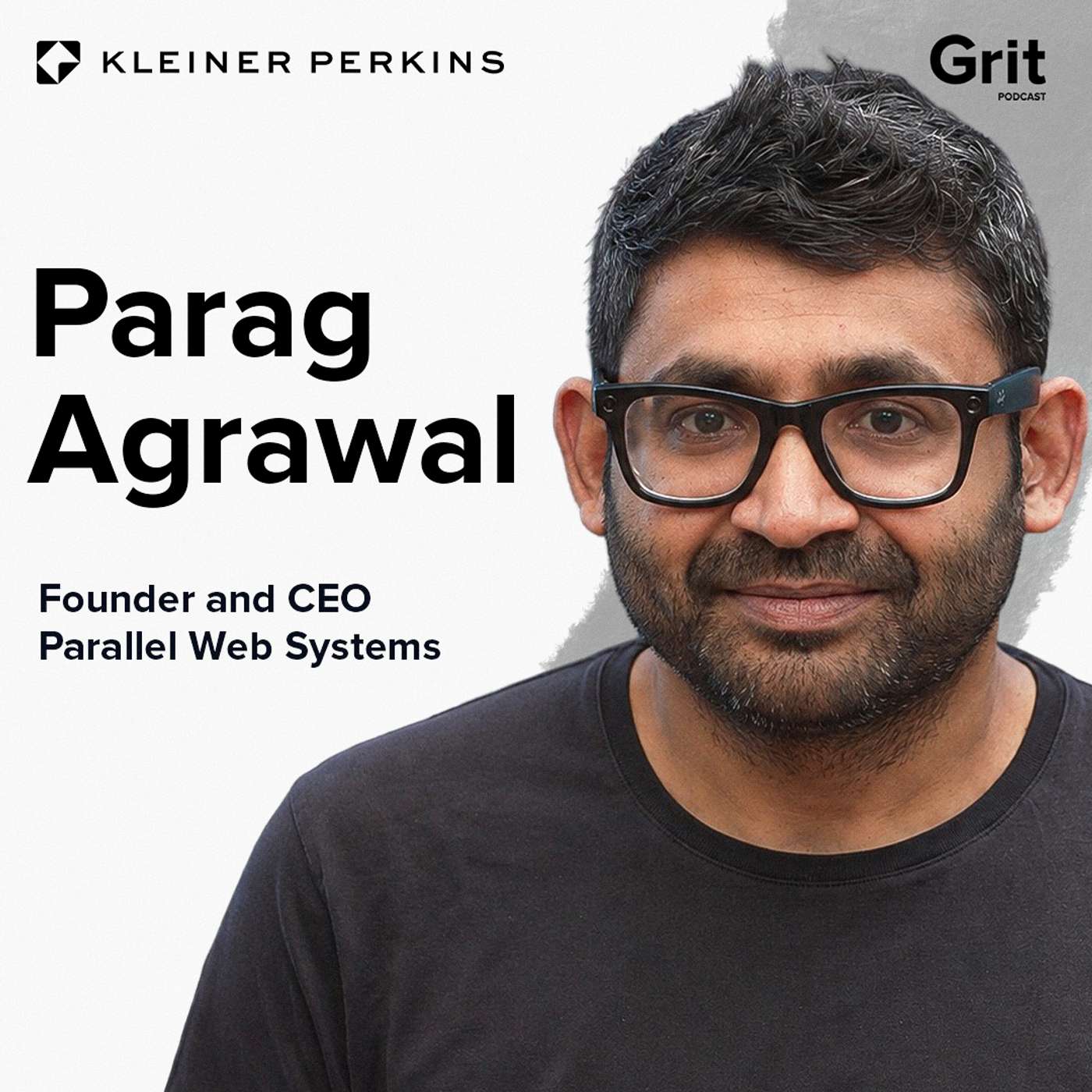
To avoid only hiring people he'd previously worked with, Agrawal implemented a "multi-hop" recruiting strategy. He identifies exceptional individuals and then asks them to name the three best people they've ever worked with. This allows him to tap into new, pre-vetted talent pools beyond his immediate circle.
Related Insights
To avoid the trap of hiring 'good enough' people, make the interview panel explicitly state which current employee the candidate surpasses. This forces a concrete comparison and ensures every new hire actively raises the company's overall talent level, preventing a slow, imperceptible decline in quality.

To improve hiring decisions, founders should proactively meet top performers in roles they anticipate needing in 2-3 quarters. This isn't for immediate hiring but to build a mental model of excellence for that specific function and stage, which sharpens intuition when you do start recruiting.

Building a top-tier team requires the same continuous effort as building a sales pipeline. Leaders should not passively rely on HR or external recruiters. Instead, they must actively and continuously 'pipeline generate' for A-player candidates, treating recruiting as a core, non-delegable responsibility to handpick their ideal team.

Your hiring funnel has an ideal customer profile, just like sales. Analyze your top-performing employees to identify common demographics, past experiences, and behaviors. Use this 'avatar' to filter applications and target your sourcing efforts, increasing the likelihood of success for new hires.

Treat hiring as a compounding flywheel. A new employee should not only be a great contributor but also make the company more attractive to future A-players, whether through their network, reputation, or interview presence. This focus on recruiting potential ensures talent density increases over time.
Conventional hiring—opening a role and then searching—is inefficient. Chesky advocates for 'pipeline recruiting,' a continuous process of meeting the best people in a field, asking them for introductions to other top talent, and building a deep rolodex long before a specific need arises.
![Brian Chesky - AI Founder Mode - [Invest Like the Best, EP.470] thumbnail](https://megaphone.imgix.net/podcasts/6162ba8a-4843-11f1-b7b7-53d3b402f9a6/image/0f929ee6c3171280178b7ad567d250fd.jpg?ixlib=rails-4.3.1&max-w=3000&max-h=3000&fit=crop&auto=format,compress)
Most hiring funnels start with inbound applicants from job posts, which is the least effective source. Instead, prioritize a five-tier sourcing strategy in this order: 1) Your "squad" (past top performers), 2) internal talent, 3) referrals, 4) outbound sourcing, and only then 5) inbound applicants.

When direct access to top talent is blocked by competitors, savvy leaders identify other successful companies with strong sales cultures (a "lineage") and strategically recruit from that pool. This allows them to tap into a new vein of proven, high-potential talent.

As you get older, your professional and social networks naturally become more distant from up-and-coming talent. To counteract this, create 'magnets'—like a recreational sports team—that attract ambitious young people, providing an alternative channel for talent identification and sourcing outside of traditional networks.
PhonePe de-risked its crucial early hires by exclusively recruiting former colleagues from Flipkart or people who had worked directly with those colleagues. This "homecoming" strategy ensured a high-trust, high-performance team from day one, bypassing traditional interview processes.