Get your free personalized podcast brief
We scan new podcasts and send you the top 5 insights daily.
Harris argues that any credible critique of military action against Iran must begin by acknowledging the theocratic regime's fundamental evil and the suffering it inflicts. Critics who skip this step and frame it as an attack on a normal sovereign country are operating under a "delusional" moral framework.

Related Insights
The author argues that the American left suffers from a 'moral paralysis' when oppressors are non-Western, as in Iran. This selective silence on human rights abuses prevents a unified national stance and leads to squandered opportunities for regime change, such as during the 2022 women-led protests.
The idea that airstrikes can decapitate the Iranian regime is a fallacy. The IRGC's influence is too deeply embedded within the society and its institutions. Killing leaders at the top will not remove this "rot," and the IRGC will simply re-constitute control, likely in an even more repressive form.

The bombing campaign, aimed at regime change, could be counterproductive. Prior to the conflict, Iran's regime was seen as unpopular and frail, potentially heading for collapse or moderation. The external attack risks creating a rally-round-the-flag effect, allowing the regime to consolidate power where mere survival becomes a victory.
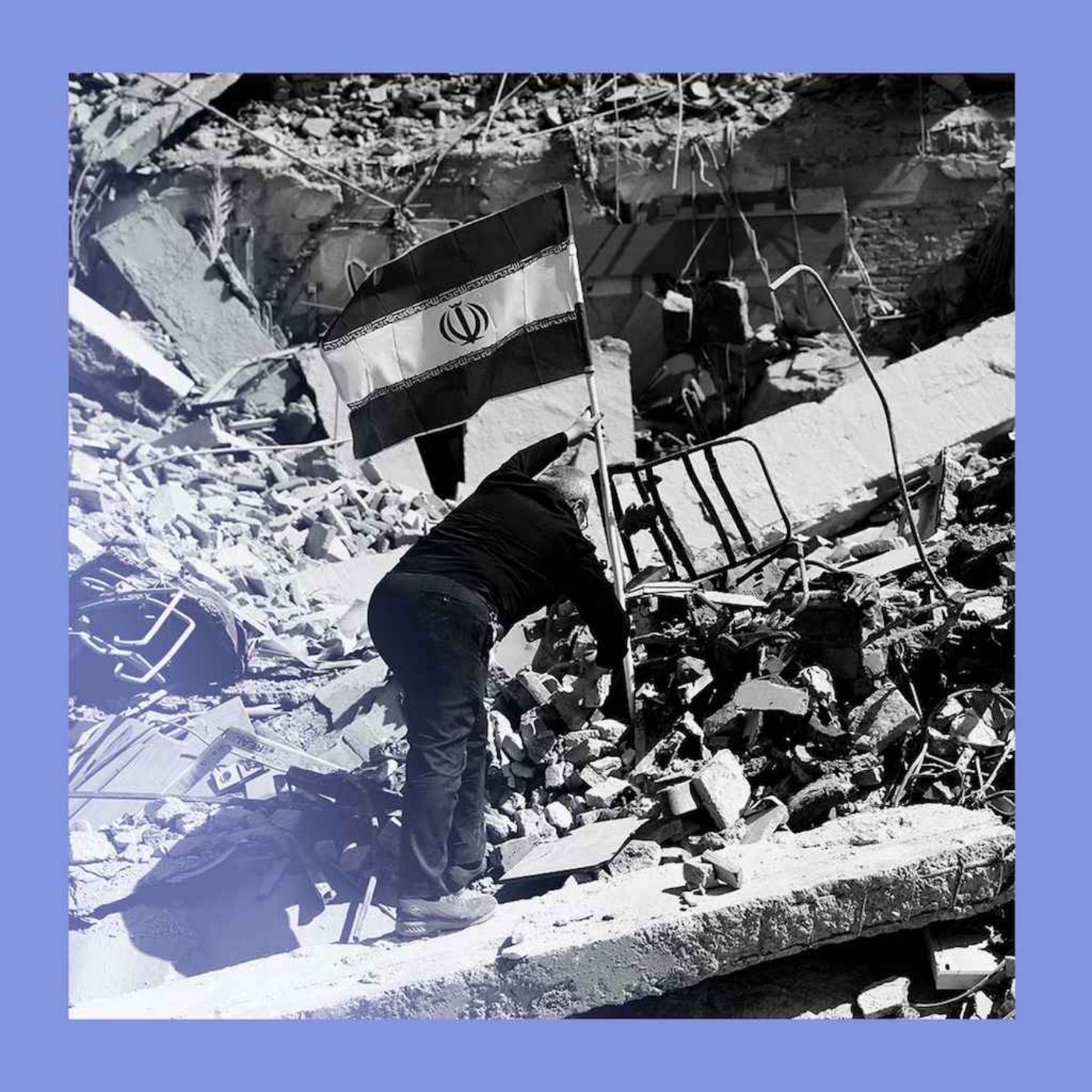
The entire framework of nuclear deterrence relies on the assumption that all parties wish to avoid their own annihilation. This logic collapses when facing a jihadist regime that views death in holy war as a direct path to paradise, making it an absolute imperative to prevent them from acquiring nukes.
One can believe that Iran's jihadist regime must be removed for global security, while simultaneously believing the Trump administration is too corrupt and incompetent to be trusted with that task. These seemingly contradictory thoughts are necessary for an adequate view of the situation.

Deterrence happens in the mind of the enemy. The US fails to deter Iran by attacking its Arab proxies because Iranian culture views Arabs as expendable. To be effective, deterrence must threaten what the target culture actually values. In Iran's case, this means threatening Persians, not their proxies.

The administration aggressively talks about regime change, making promises to the Iranian opposition. However, the military actions and follow-up policies are not scaled to achieve this ambitious goal, creating a strategic disconnect that undermines the operation's credibility and clarity of purpose.

Despite overwhelming military force, the US lacks a clear, singular objective in its war with Iran. With at least five distinct goals—from targeting nuclear and missile programs to regime change and settling historical scores—it's unclear what constitutes victory, making the application of force dangerously unfocused.
Sam Harris argues one can simultaneously believe that toppling the Iranian regime is a correct moral objective, while also recognizing that the Trump administration's execution is dangerously inept. This separates the strategic goal from the tactical and political leadership carrying it out.
Harris contends that progressive circles are so terrified of being labeled racist or Islamophobic that they refuse to criticize even the most brutal aspects of theocratic regimes. This "moral confusion" leads them to inadvertently champion the cause of oppressors they would otherwise oppose.