Get your free personalized podcast brief
We scan new podcasts and send you the top 5 insights daily.
The initial barrier to AI adoption in marketing isn't the technology, but the public's fear of job loss. This creates a temporary social stigma against AI-generated ads, similar to the early days of online dating, which poses a short-term brand risk.

Related Insights
Many people's negative opinions on AI-generated content stem from a deep-seated fear of their jobs becoming obsolete. This emotional reaction will fade as AI content becomes indistinguishable from human-created content, making the current debate a temporary, fear-based phenomenon.
While businesses are rapidly adopting AI for content creation and communication, Gen Z consumers have a strong aversion to anything that feels artificial or inauthentic. If this demographic can detect AI-generated content in sales or marketing, they are likely to ignore it, posing a significant challenge for brands targeting them.

To prevent audience pushback against AI-generated ads, frame them as over-the-top, comedy-first productions similar to Super Bowl commercials. When people are laughing at the absurdity, they are less likely to criticize the technology or worry about its impact on creative jobs.

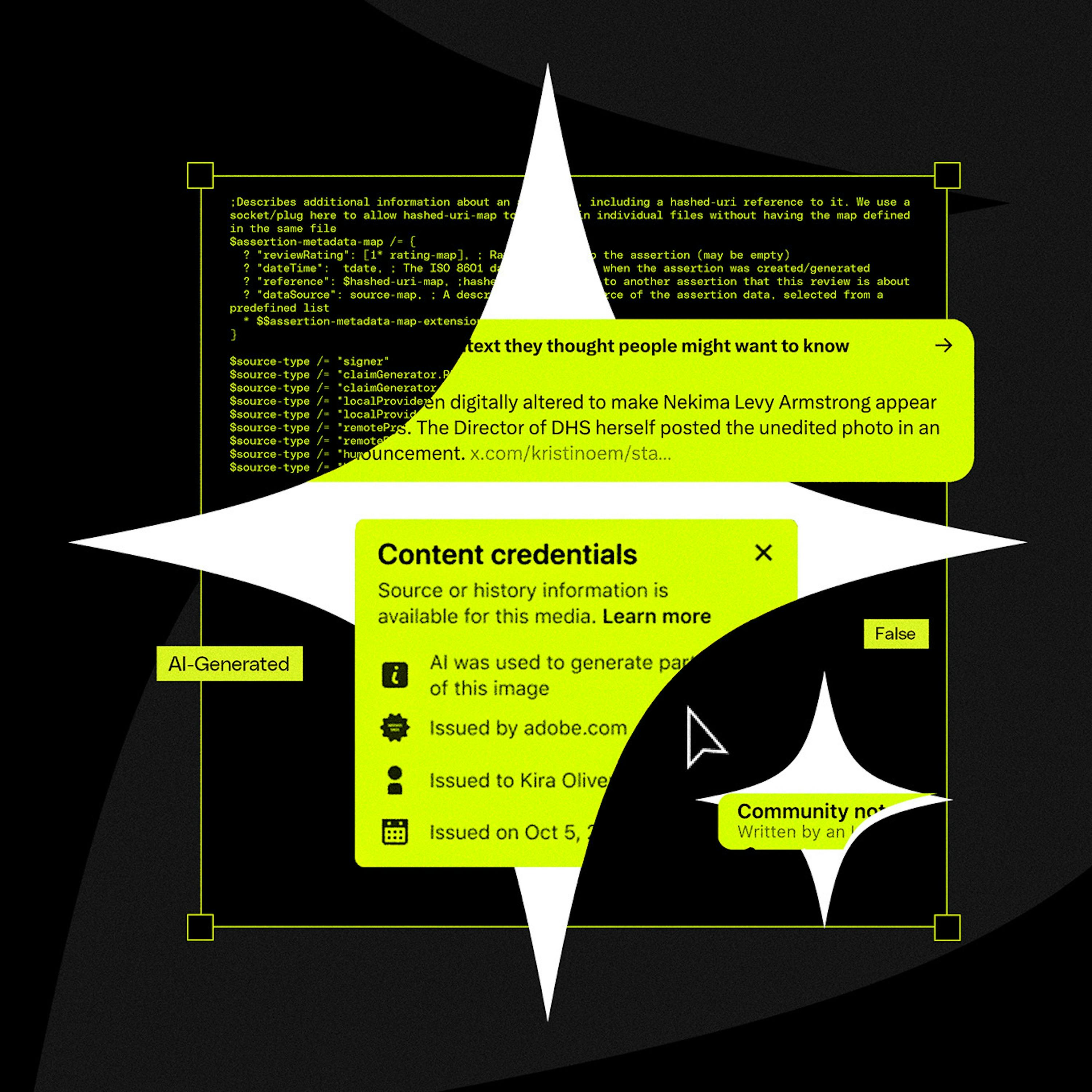
The "AI-generated" label carries a negative connotation of being cheap, efficient, and lacking human creativity. This perception devalues the final product in the eyes of consumers and creators, disincentivizing platforms from implementing labels that would anger their user base and advertisers.
While early media coverage focused on doomsday scenarios, the primary drivers of broad public skepticism are far more immediate. Concerns about white-collar job loss and the devaluation of human art are fueling the anti-AI movement much more effectively than abstract fears of superintelligence.

Unlike the dot-com or mobile eras where businesses eagerly adapted, AI faces a unique psychological barrier. The technology triggers insecurity in leaders, causing them to avoid adoption out of fear rather than embrace it for its potential. This is a behavioral, not just technical, hurdle.
Unlike other tech rollouts, the AI industry's public narrative has been dominated by vague warnings of disruption rather than clear, tangible benefits for the average person. This communication failure is a key driver of widespread anxiety and opposition.
GaryVee predicts that widespread public fear of job loss due to AI will create a negative sentiment towards brands that visibly use it in advertising. This consumer backlash, which has already affected brands like McDonald's, will cause a 24-36 month pullback from AI in major campaigns, despite the technology being ready.
The fear of AI eliminating marketing jobs is misplaced. AI is a tool that automates mundane tasks, which amplifies the value of marketers who possess strong strategy, taste, and audience understanding. It will replace singular tasks, not the multifaceted role of a true marketer.

Major brands are technically capable of creating AI-powered Super Bowl ads today. However, they refrain due to a powerful social stigma. The fear of public backlash from a society anxious about AI's impact on jobs makes brands too risk-averse, similar to the stigma surrounding online dating in the early 2000s.
