Get your free personalized podcast brief
We scan new podcasts and send you the top 5 insights daily.
Astra's primary value isn't in improving existing workflows but in unlocking entirely new capabilities like 3D modeling and complex computer use. This reframes it as a tool that challenges users to rethink what is possible, rather than a simple upgrade for current tasks.

Related Insights
According to Moda's founder, the most impactful AI tools are not those that merely accelerate existing workflows. Instead, they are the ones that empower users to achieve outcomes that were previously beyond their skill set, truly unlocking new creative capabilities for non-experts.

Traditional AI benchmarks fail to capture the value of models that enable entirely new capabilities. The concept of an 'unlock index' suggests we should evaluate models based on the new applications they make possible—like the visual proactivity of TML's interaction model—rather than just performance on existing tasks.
According to OpenAI co-founder Andrej Karpathy, the true impact of AI code generation is less about a linear speedup on existing tasks. Instead, it expands the scope of what's feasible, allowing engineers to attempt projects they would have previously deemed not worth the effort or beyond their skillset.

Expert users report that while Astra's pure coding ability shows diminishing returns, its skill in 'computer use'—automating and navigating complex applications—is a massive leap. This indicates the frontier of AI is shifting from code generation to higher-level software orchestration and agentic task completion.
The true power of AI lies beyond optimizing existing workflows. The key skill is shifting from asking 'How can AI help my job?' to 'What can we do now that was previously impossible or uneconomic?' This reframes AI as a tool for radical innovation, not just incremental efficiency.
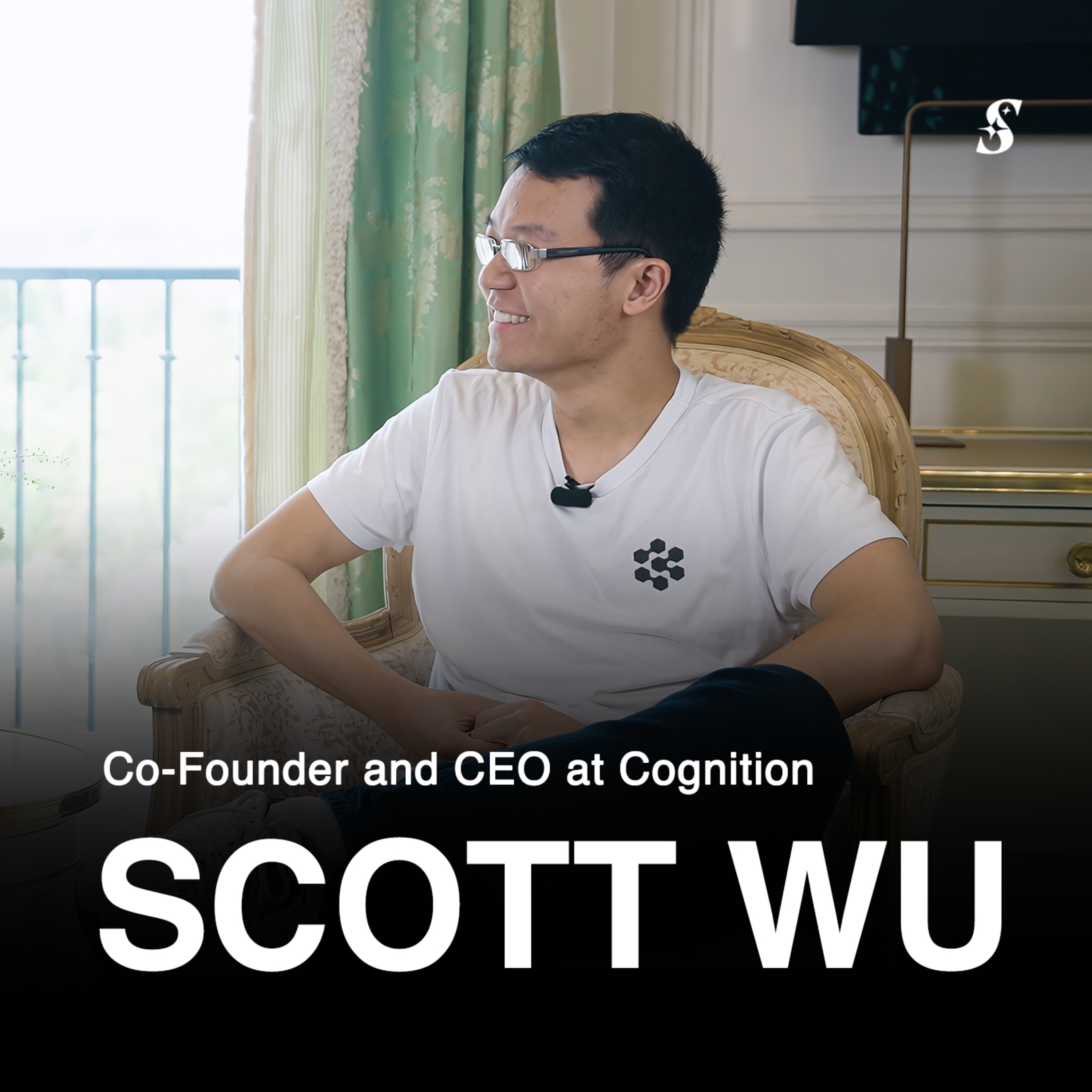
Scott Wu argues that focusing on AI's ability to make existing work more efficient misses the point. The real transformation comes from creating new capacity—enabling the development of things previously impossible, like "single-use software" or "self-driving software," fundamentally changing what businesses can build.
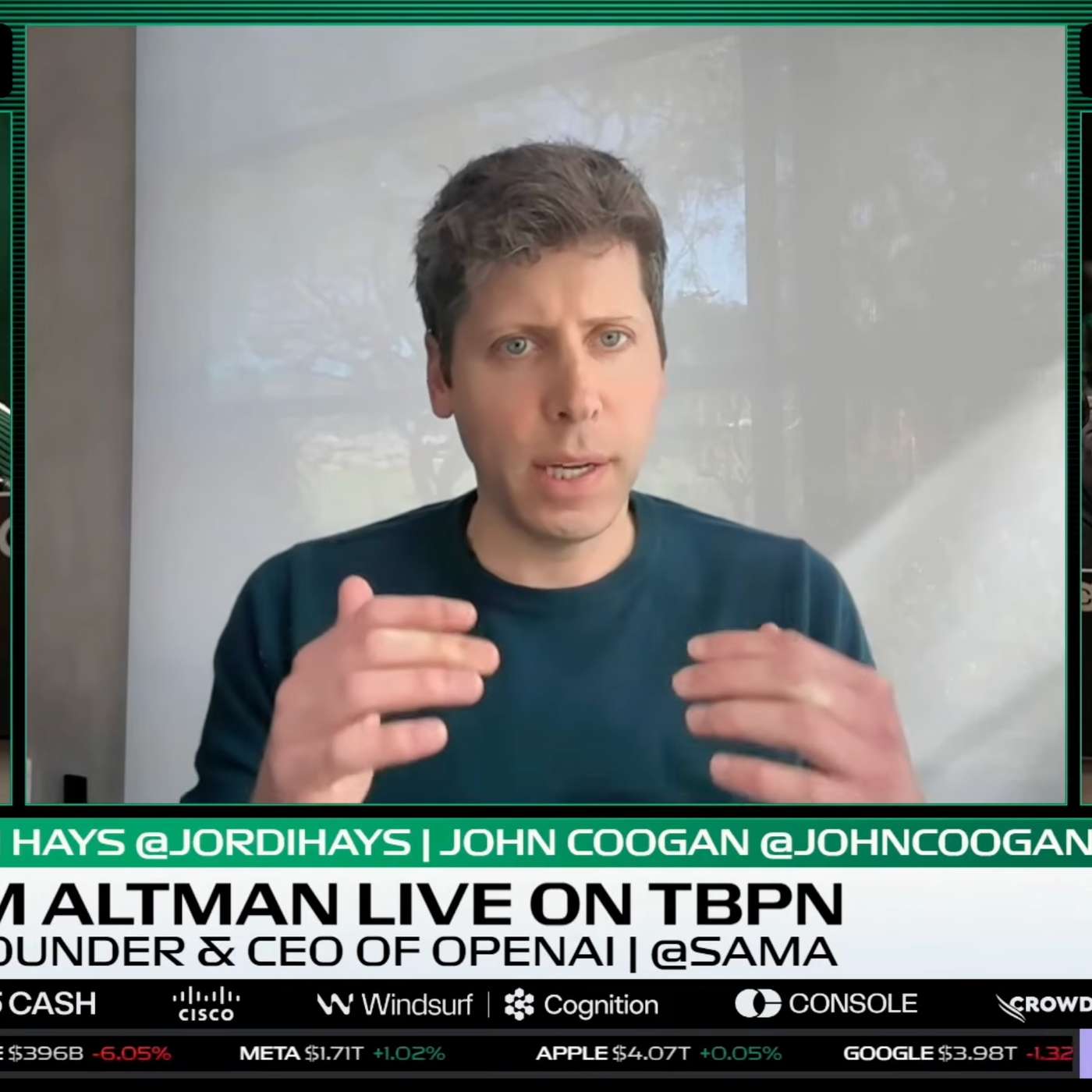
Sam Altman argues there is a massive "capability overhang" where models are far more powerful than current tools allow users to leverage. He believes the biggest gains will come from improving user interfaces and workflows, not just from increasing raw AI intelligence.
Previous AI models often hit a "quality ceiling" on complex tasks, failing to deliver high-quality output despite clear architectural instructions. GPT-6 Astra represents a leap that can "one-shot" these previously intractable problems, unblocking ambitious, long-stalled engineering projects.

The groundbreaking "computer use" feature in GPT-6 Astra, allowing AI to operate software like a human, is the culmination of research dating back to 2016 under the concept 'World of Bits,' revealing this was always the intended trajectory for AI.

Marketers should view Astra not as an incremental improvement for generating copy or images, but as a transformational tool for automating repetitive tasks and executing complex research missions. The value lies in its "agentic" capabilities to perform actual work, not just provide answers.
