Get your free personalized podcast brief
We scan new podcasts and send you the top 5 insights daily.
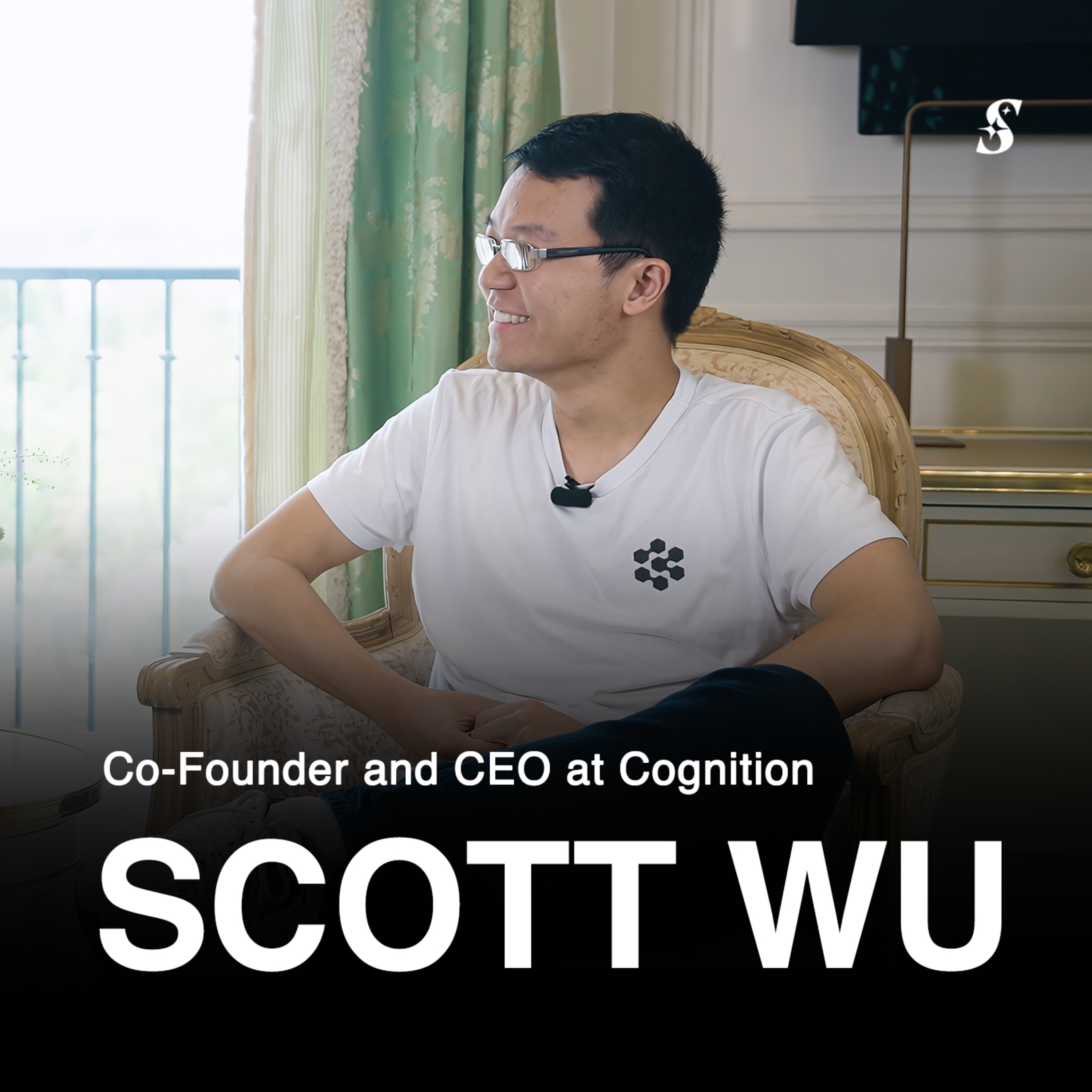
Scott Wu argues that focusing on AI's ability to make existing work more efficient misses the point. The real transformation comes from creating new capacity—enabling the development of things previously impossible, like "single-use software" or "self-driving software," fundamentally changing what businesses can build.
Related Insights
According to OpenAI co-founder Andrej Karpathy, the true impact of AI code generation is less about a linear speedup on existing tasks. Instead, it expands the scope of what's feasible, allowing engineers to attempt projects they would have previously deemed not worth the effort or beyond their skillset.

Contrary to the popular belief that AI's main purpose is to replace humans for less money, user data shows its primary benefit is enabling entirely new functions. As AI costs rise, the focus will shift from simple cost-cutting to strategic investments in capabilities that were previously impossible.

The true growth unlocked by AI isn't just efficiency gains on existing tasks. It's the ability to perform entirely new kinds of work. For example, a private equity firm can now exhaustively simulate thousands of buyout opportunities, a depth of analysis that was computationally and financially impossible before.

Simply making existing processes faster with AI yields marginal gains. The real wealth-building strategy is using AI to fundamentally rethink your business, transforming value propositions and creating new revenue streams. The goal should be transformation, not just acceleration.

The focus on AI automating existing human labor misses the larger opportunity. The most significant value will come from creating entirely new types of companies that are fully autonomous and operate in ways we can't currently conceive, moving beyond simple replacement of today's jobs.

The initial phase of any new technology is applying it to old problems. The transformative phase is creating things previously impossible. The key question for AI is not 'How can we do X faster?' but 'What new thing can we do now?', similar to how Spotify redefined music beyond an online CD store.

Most view AI for efficiency, but its true power lies in handling routine tasks to free up human talent. This unlocks capacity for strategic, creative, and relationship-driven work that fuels innovation and growth, shifting the question from cost savings to new capabilities.

The most significant value from AI is not in automating existing tasks, but in performing work that was previously too costly or complex for an organization to attempt. This creates entirely new capabilities, like analyzing every single purchase order for hidden patterns, thereby unlocking new enterprise value.

AI does more than speed up existing work. It unbundles traditional workflows, jobs, and organizations, allowing for fundamentally new structures to emerge. The real value is in this "reshuffle," not in simple efficiency gains on today's work.

Initial AI productivity gains (e.g., turning a 2-day task into 10 minutes) are just the start. The true, transformative value emerges when business experts, newly empowered by AI thinking, use that saved time to pursue entirely new, previously impossible work, fundamentally changing business outcomes.