Get your free personalized podcast brief
We scan new podcasts and send you the top 5 insights daily.
The true power of AI lies beyond optimizing existing workflows. The key skill is shifting from asking 'How can AI help my job?' to 'What can we do now that was previously impossible or uneconomic?' This reframes AI as a tool for radical innovation, not just incremental efficiency.

Related Insights
According to Moda's founder, the most impactful AI tools are not those that merely accelerate existing workflows. Instead, they are the ones that empower users to achieve outcomes that were previously beyond their skill set, truly unlocking new creative capabilities for non-experts.

The most successful organizations will view AI not as a tool for cost-cutting (doing the same with less) but as an expansionary technology. This mindset focuses on using AI to create new products, enter new markets, and dramatically increase scope, rather than just incremental efficiency gains.
Most companies use AI for optimization—making existing processes faster and cheaper. The greater opportunity is innovation: using AI to create entirely new forms of value. This "10x thinking" is critical for growth, especially as pure efficiency gains will ultimately lead to a reduced need for human workers.

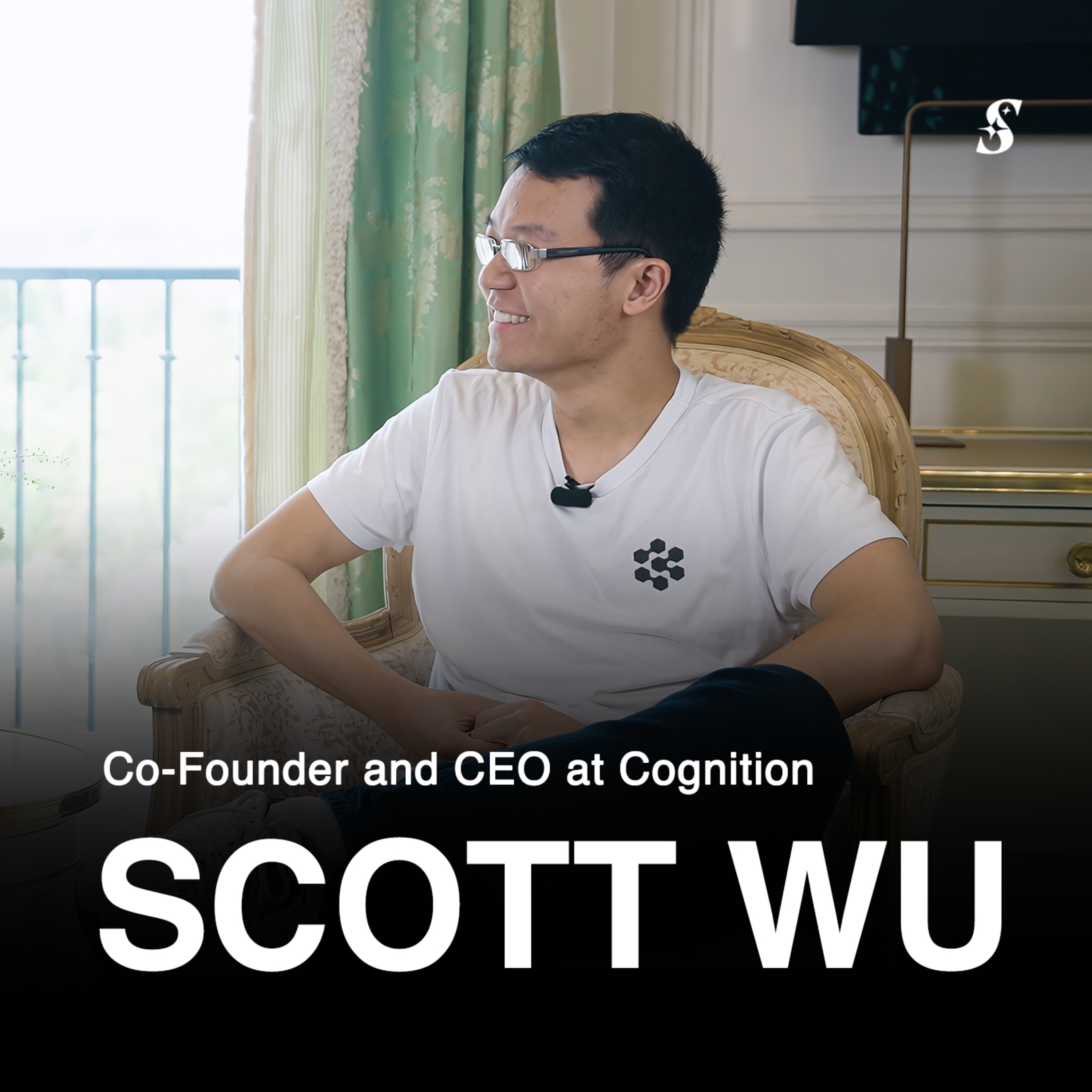
Scott Wu argues that focusing on AI's ability to make existing work more efficient misses the point. The real transformation comes from creating new capacity—enabling the development of things previously impossible, like "single-use software" or "self-driving software," fundamentally changing what businesses can build.
The greatest wins from generative AI will come from questioning and eliminating old processes, not just making them faster. Leaders should challenge teams to use AI to "do different things" entirely, like questioning the need for a report in the first place, rather than just using AI to write it faster.

A more advanced use of AI involves working backward from an ultimate goal. By having AI interview you about your objectives and context, you can uncover opportunities to fundamentally change or eliminate workflows, rather than just making inefficient processes faster. This shifts the focus from productivity to innovation.

The greatest value of AI isn't just automating tasks within your current process. Leaders should use AI to fundamentally question the workflow itself, asking it to suggest entirely new, more efficient, and innovative ways to achieve business goals.
The initial phase of any new technology is applying it to old problems. The transformative phase is creating things previously impossible. The key question for AI is not 'How can we do X faster?' but 'What new thing can we do now?', similar to how Spotify redefined music beyond an online CD store.

The most significant value from AI is not in automating existing tasks, but in performing work that was previously too costly or complex for an organization to attempt. This creates entirely new capabilities, like analyzing every single purchase order for hidden patterns, thereby unlocking new enterprise value.

Initial AI productivity gains (e.g., turning a 2-day task into 10 minutes) are just the start. The true, transformative value emerges when business experts, newly empowered by AI thinking, use that saved time to pursue entirely new, previously impossible work, fundamentally changing business outcomes.