Get your free personalized podcast brief
We scan new podcasts and send you the top 5 insights daily.
Ubiquitous technological surveillance has rendered traditional spycraft difficult. The new model shifts from case officers managing multiple assets to a resource-intensive focus on securely running a single, exceptionally well-placed spy. The core challenge is now technology, not time management.

Related Insights
China's intelligence advantage isn't necessarily better technique, but its ability to deploy vast numbers of personnel globally. While the US has retrenched from regions like Africa, China can "throw more people" at problems, enabling a wider physical presence and more in-person engagement.
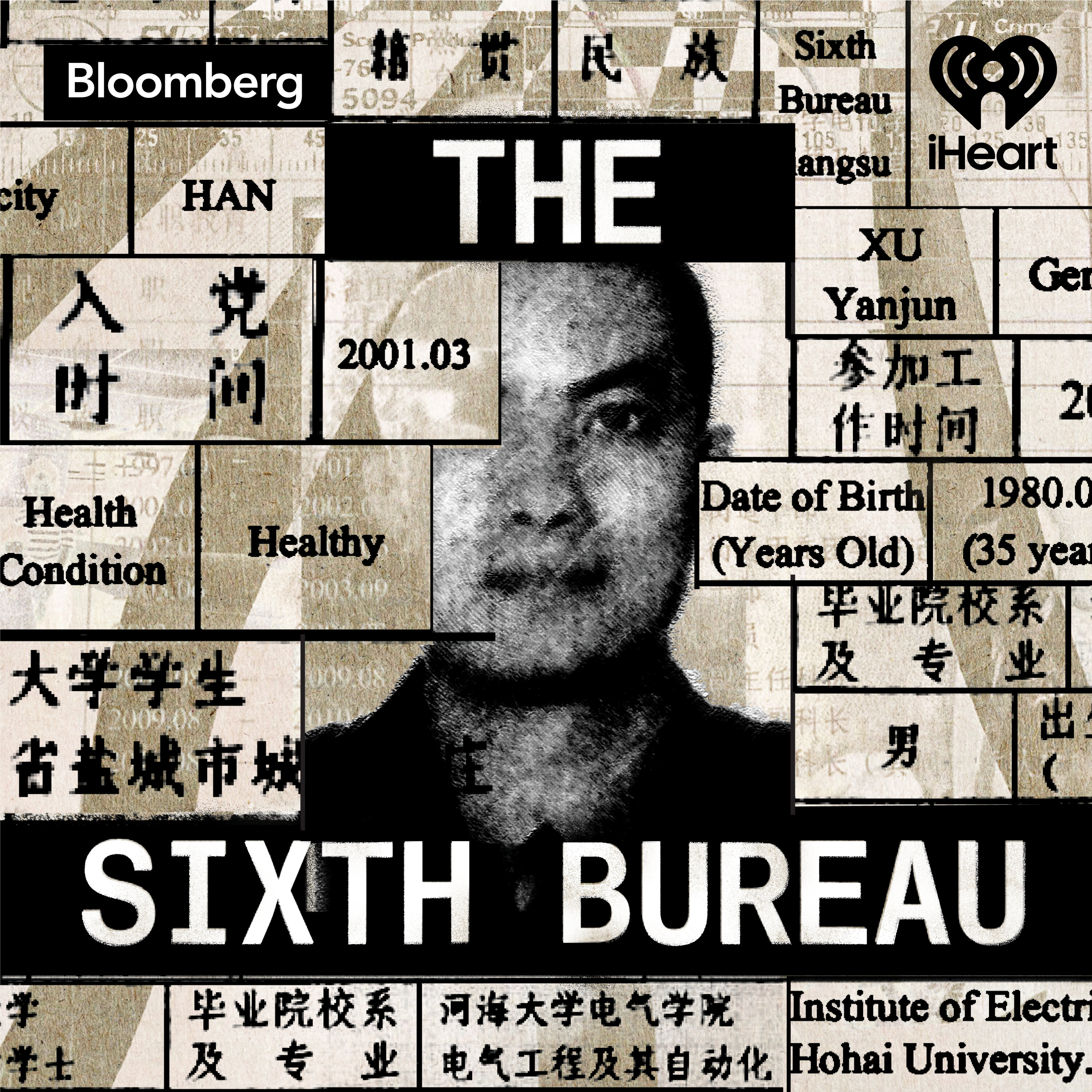
The capture of MSS officer Xu Yanjun was a historic intelligence victory, not just for the arrest itself. Xu's unusually meticulous and personal record-keeping—including a diary—gave the FBI an unprecedented, multi-terabyte 'unicorn' view into the inner workings, methods, and personnel of China's highly secretive intelligence agency.
Fearing information leaks from Ukraine's Security Service, anti-corruption investigators couldn't use modern wiretaps. Instead, they resorted to old-school methods like physically locating targets and planting bugs. This highlights how state capture can cripple modern investigative tools, forcing reliance on riskier, analog techniques.

The primary strategic advantage of an AI like Claude Mythos is not launching destructive attacks, but finding unique vulnerabilities for quiet, persistent intelligence collection. Its power lies in the slow, insidious shaping of the information environment rather than overt, 'whiz bang' effects.

Contrary to spy fiction, the most effective and “crazy” intelligence gathering involves embedding surveillance technology into mundane infrastructure. For instance, building a hijackable, covert cell tower into a tractor that an adversary then purchases and deploys themselves is far more plausible and powerful than planting a tracking device in a tooth.

The level of sophistication in publicly accessible technology, such as AI, significantly lags behind what intelligence agencies possess. As an example, the CIA had a mechanical, camera-equipped dragonfly for surveillance in 1967. This suggests that what we see as cutting-edge consumer tech is likely a decade-old version of classified systems.

An undercover FBI agent approached a Chinese spy not as a threat, but as an ally. By fabricating a story that the spy's handler was arrested and communications were compromised, the agent created a sense of danger and then offered himself as the sole safe channel, effectively isolating and controlling the target.
Bill Burns outlines how AI is critical for intelligence. Operationally, it helps agents navigate surveillance-heavy "smart cities" and defeat biometric tracking. Analytically, it helps process immense data volumes, freeing human analysts for high-level strategic judgment.

The financial incentives of prediction markets create a vulnerability that foreign intelligence services can exploit. Just as the CIA reportedly leveraged China's graft system to recruit sources, adversaries could offer insider tips on market bets to cultivate and compromise individuals within the U.S. national security apparatus.
The MSS operation was not aimed at traditional military secrets but at advanced commercial technology, specifically jet engines. This highlights a core national strategy: using state-sponsored espionage for economic warfare. The goal is to steal valuable IP, give it to Chinese firms, and systematically undercut American industry to shift global wealth and power.