Get your free personalized podcast brief
We scan new podcasts and send you the top 5 insights daily.
An undercover FBI agent approached a Chinese spy not as a threat, but as an ally. By fabricating a story that the spy's handler was arrested and communications were compromised, the agent created a sense of danger and then offered himself as the sole safe channel, effectively isolating and controlling the target.
Related Insights
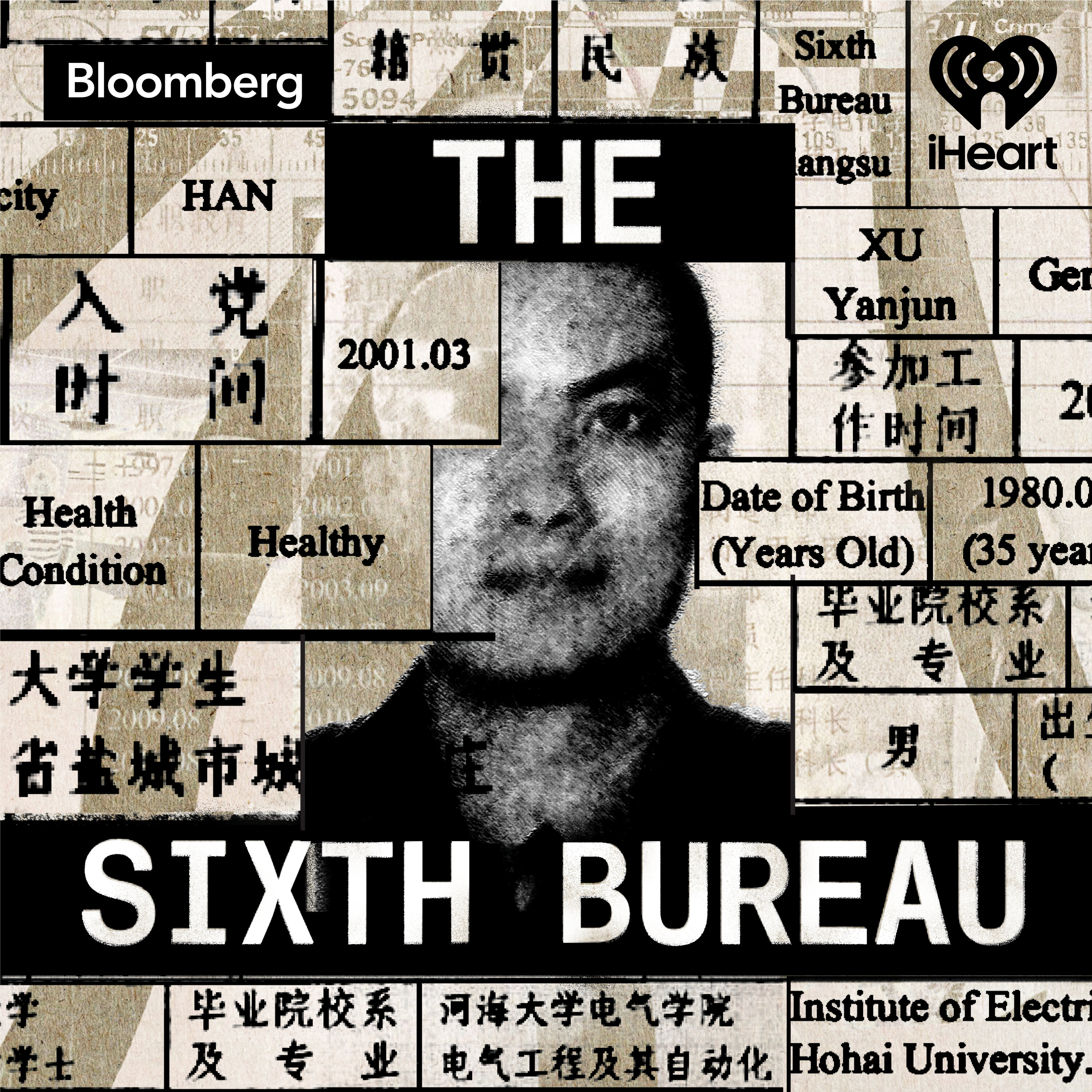
The capture of MSS officer Xu Yanjun was a historic intelligence victory, not just for the arrest itself. Xu's unusually meticulous and personal record-keeping—including a diary—gave the FBI an unprecedented, multi-terabyte 'unicorn' view into the inner workings, methods, and personnel of China's highly secretive intelligence agency.
According to internal CIA studies cited by John Kiriakou, financial incentive is the key vulnerability in 95% of spy recruitment cases. Motivations like ideology, love, family, or revenge account for only the remaining 5%, challenging romanticized notions of espionage.

Trust isn't just an emotion; it can be built methodically. First, use repeated exposure to move from being a stranger to a known entity. Second, before making a key point, establish a baseline of shared values to create an environment of agreement.

The most logical explanation for Epstein's unusual legal leniency is that he was a Clandestine Informant (CI). Law enforcement agencies grant immunity to criminals like Epstein in exchange for access to a network of higher-value targets, such as corrupt politicians or foreign agents, whom they consider a greater threat to national security.
An 'access agent' is recruited to gain proximity to powerful individuals who cannot be recruited directly. Epstein's role was likely to provide a comfortable environment for targets, gather compromising material (kompromat) via hidden cameras, and leverage that access for intelligence gathering.
Agencies like Mossad strategically allow or even promote media about their successful operations (e.g., films like "Munich"). This acts as information warfare, shaping a global perception of their omnipotence. This cultivated mystique serves as a powerful deterrent, even if their true capabilities are more limited.
The key to building deep connection isn't getting someone to say 'you're right,' but 'that's right.' The latter confirms they feel fully seen and heard, creating a neurobiological connection essential for trust, a technique applicable from hostage situations to management.

As a defense against powerful adversaries, public figures can package sensitive documents and communications and give them to multiple trusted parties. These parties are given instructions to release everything if something happens to the originator, creating a powerful deterrent.

To confirm a competitor was spying via an internal mole, Rippling's team crafted a fake, tantalizing Slack message. They included a screenshot of it in a routine legal letter sent only to the competitor's senior leadership. When their mole searched for the fake terms in Slack, they had definitive proof.

John Kiriakou successfully recruited an Al-Qaeda operative not with money, but with simple human decency. After building rapport, the target agreed to cooperate because Kiriakou was the first person in five years to show genuine interest in his family, revealing a powerful non-financial vulnerability.