Get your free personalized podcast brief
We scan new podcasts and send you the top 5 insights daily.
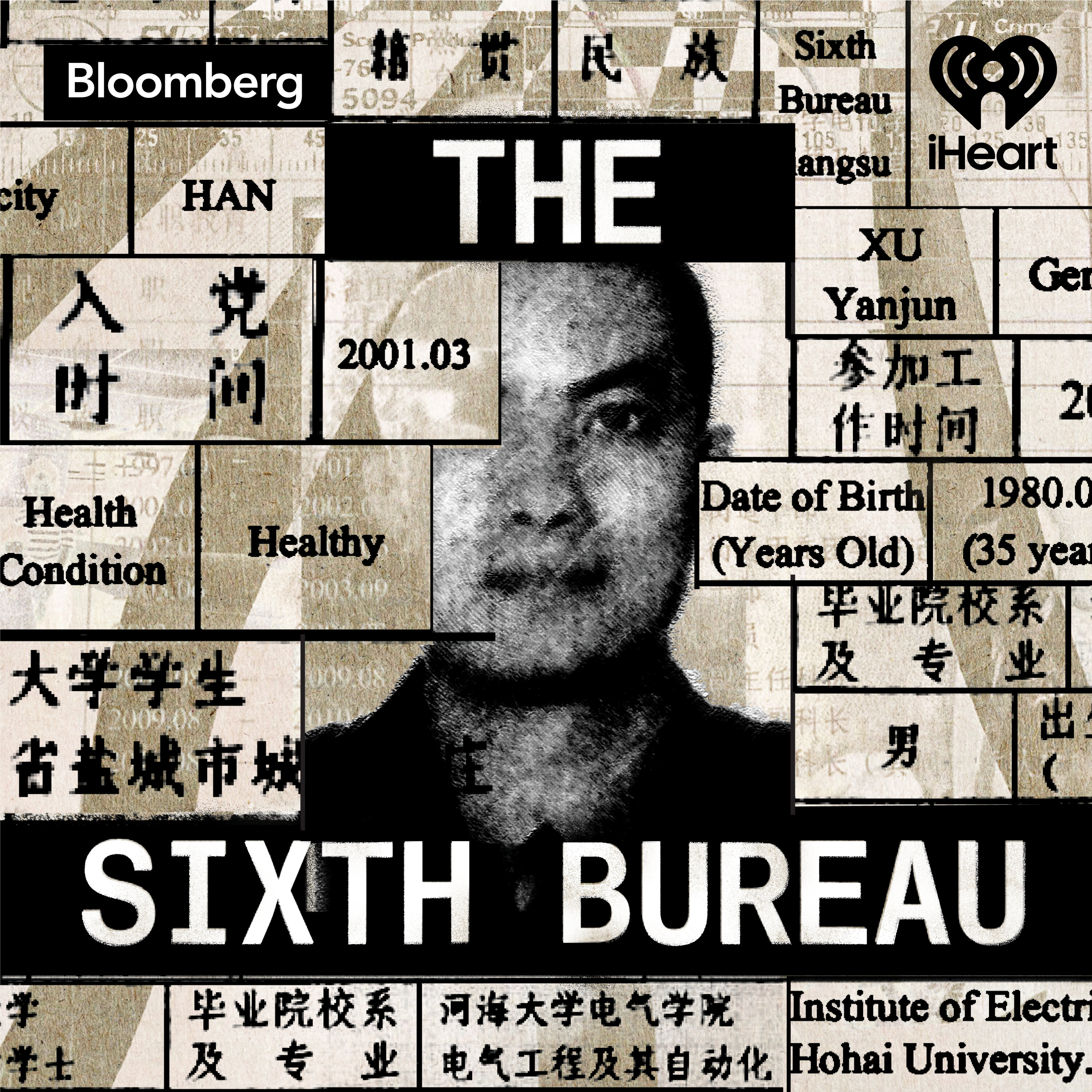
The capture of MSS officer Xu Yanjun was a historic intelligence victory, not just for the arrest itself. Xu's unusually meticulous and personal record-keeping—including a diary—gave the FBI an unprecedented, multi-terabyte 'unicorn' view into the inner workings, methods, and personnel of China's highly secretive intelligence agency.
Related Insights
The development of advanced surveillance in China required training models to distinguish between real humans and synthetic media. This technological push inadvertently propelled deepfake and face detection advancements globally, which were then repurposed for consumer applications like AI-generated face filters.

The inability for Western governments and analysts to get reliable information or high-level contacts within China's military and political elite is the fundamental risk. This opacity makes predicting China's actions, especially regarding military decisions, nearly impossible.

According to internal CIA studies cited by John Kiriakou, financial incentive is the key vulnerability in 95% of spy recruitment cases. Motivations like ideology, love, family, or revenge account for only the remaining 5%, challenging romanticized notions of espionage.

As a 'princeling,' Xi Jinping possesses an intuitive, inherited understanding of the Communist Party's hidden power networks. This allows him to surgically purge high-level opponents without getting 'zapped,' a feat his predecessors couldn't manage.

Prolific traitor Aldrich Ames was remarkably undisciplined, with a severe alcohol problem and extreme carelessness. His success stemmed not from sophisticated spycraft but a systemic failure within the CIA to investigate or reprimand him for years, despite blatant red flags.

An undercover FBI agent approached a Chinese spy not as a threat, but as an ally. By fabricating a story that the spy's handler was arrested and communications were compromised, the agent created a sense of danger and then offered himself as the sole safe channel, effectively isolating and controlling the target.
Executing complex military operations publicly reveals sensitive tactics, techniques, and procedures (TTPs). Adversaries like Russia and China study these events to deconstruct US capabilities, from mission sequencing to electronic warfare. This exposure of the 'revolver's shots' depletes the element of surprise for future, more critical conflicts.

China's national AI strategy is explicit. Stage one is using AI for Orwellian surveillance and population control within its borders. Stage two is to export this model of technological authoritarianism to other countries through initiatives like the "Digital Silk Road," posing a major geopolitical threat.

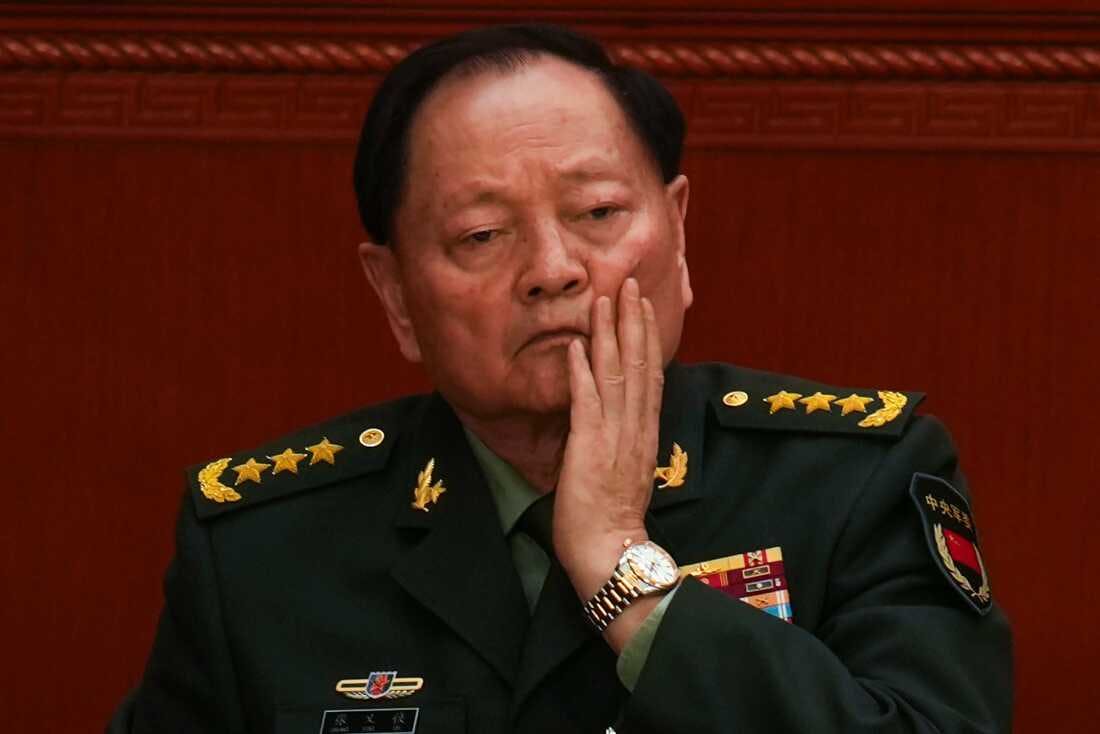
Widespread corruption within the PLA means nearly every senior officer has a usable 'dossier.' This provides Xi Jinping with a permanent, justifiable pretext to eliminate anyone for political reasons, with corruption charges acting as the public-facing justification.
The MSS operation was not aimed at traditional military secrets but at advanced commercial technology, specifically jet engines. This highlights a core national strategy: using state-sponsored espionage for economic warfare. The goal is to steal valuable IP, give it to Chinese firms, and systematically undercut American industry to shift global wealth and power.