Get your free personalized podcast brief
We scan new podcasts and send you the top 5 insights daily.
Early in his career, Dan Sundheim wrote and posted a detailed short thesis on Orthodontic Centers of America to Value Investors Club. The analysis, which uncovered accounting fraud, caused the stock to crater and demonstrated his skill to the hedge fund industry, directly leading to his first major job offer.
![Dan Sundheim - The Art of Public and Private Market Investing - [Invest Like the Best, EP.460] thumbnail](https://megaphone.imgix.net/podcasts/6935741a-1133-11f1-8658-83eef776ecd3/image/6ba553323d1caefe2f648a5990d7bb69.jpg?ixlib=rails-4.3.1&max-w=3000&max-h=3000&fit=crop&auto=format,compress)
Related Insights
Despite its theoretical role as a market check, short selling is often a tool to create chaos and innuendo for profit. Activist short-sellers release reports to move markets for their own gain, which rarely uncovers true malfeasance and is an extremely difficult way to consistently make money. It's more about creating narratives than finding fraud.

The speaker, Philip, caught the attention of Thrive's founder, Josh Kushner, by writing a niche Substack about semiconductors. This demonstrates that deep, public expertise in a specific domain can be a powerful way to network and find unique career opportunities in venture capital.

Derek Pilecki initially shorted Robinhood due to its speculative valuation. After it collapsed to near its cash-per-share value, he re-evaluated, saw product improvements, and went long. This flexibility to reverse a thesis based on new price and fundamental data led to a 14x gain.

Dan Sundheim argues successful private companies should avoid going public. Public market volatility means stock prices, and thus employee compensation, are driven by sentiment, not fundamental value creation. Being dramatically overvalued can be as harmful as being undervalued, as it misaligns incentives for future hires.
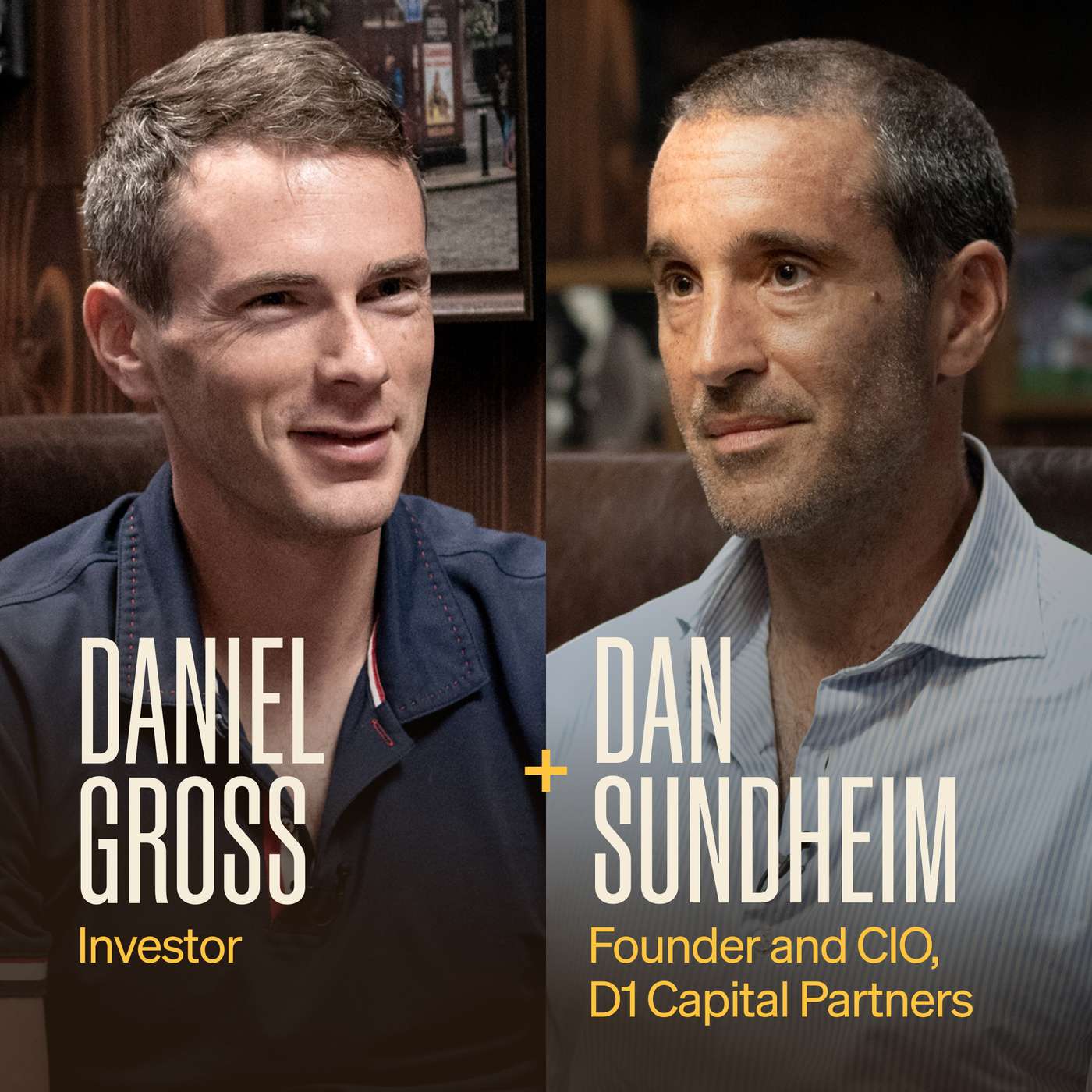
While public markets have more participants, Dan Sundheim finds them less competitive for long-term investors. Many public market players focus on short-term, non-fundamental factors. In private markets, there are fewer investors, but they are all doing the same deep, long-term intrinsic value analysis, making it a different kind of competition.
Dan Sundheim argues that while retail-driven markets create more shorting opportunities, the risk of a coordinated squeeze makes concentrated shorts too dangerous. The modern strategy is to hold a much more diversified portfolio of smaller short positions to survive extreme, irrational price moves that can 10x or 20x.
During the GameStop crisis, Dan Sundheim's pivotal move was to personally face investors, against his team's advice. He admitted fault and transparently shifted his strategy from high-risk 'fireworks' to a more methodical 'singles and doubles' approach. This act of accountability was crucial for rebuilding trust, even if it meant a slower financial recovery.
The CEO's journey began with a personal obsession to fix what he saw as a great but poorly-run public company. He even researched a take-private deal as a "hobby" before being contacted for the role. This demonstrates that deep, unsolicited strategic analysis of a public company's flaws can be a direct path to its leadership.

In fast-moving public markets, waiting for a full investment memo can mean missing the opportunity. D1 Capital starts buying a position while the memo is being written, using it as a final diligence check rather than a prerequisite for action. The conviction is built through dialogue long before the final document.
Anduril's co-founder set a precedent for founder transparency by publicly exposing an unauthorized SPV selling forward contracts for company stock. He detailed how the deal violated bylaws and charged exorbitant fees, a powerful warning for investors in private secondary markets.