Get your free personalized podcast brief
We scan new podcasts and send you the top 5 insights daily.
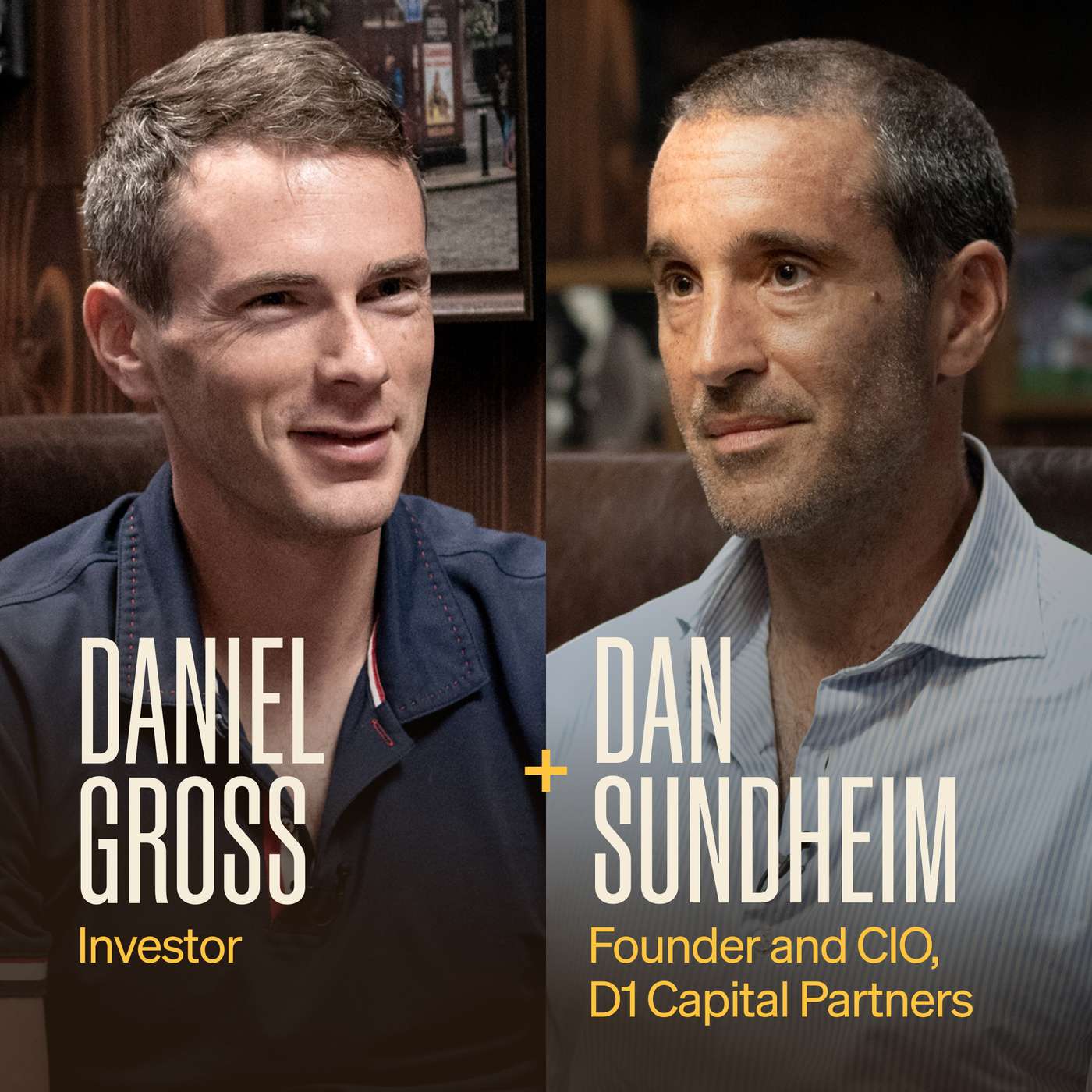
During the GameStop crisis, Dan Sundheim's pivotal move was to personally face investors, against his team's advice. He admitted fault and transparently shifted his strategy from high-risk 'fireworks' to a more methodical 'singles and doubles' approach. This act of accountability was crucial for rebuilding trust, even if it meant a slower financial recovery.
![Dan Sundheim - The Art of Public and Private Market Investing - [Invest Like the Best, EP.460] thumbnail](https://megaphone.imgix.net/podcasts/6935741a-1133-11f1-8658-83eef776ecd3/image/6ba553323d1caefe2f648a5990d7bb69.jpg?ixlib=rails-4.3.1&max-w=3000&max-h=3000&fit=crop&auto=format,compress)
Related Insights
For a controversial strategic shift, a co-founder's "moral authority" is invaluable. They can absorb the risk of looking foolish and give up their responsibilities ("Legos") to spearhead a new initiative. This allows them to champion a new direction with a level of credibility that can overcome internal skepticism.

A superior crisis response playbook goes beyond acknowledging a mistake and taking responsibility. To truly rebuild trust, leaders should overcorrect with a positive action that is disproportionately forceful compared to the initial error, demonstrating a profound commitment to the values that were compromised.
To combat complacency, Supercell's CEO opened an all-hands meeting by showing an animated slide of their declining global ranking year-by-year. This act of transparent and painful self-critique from the top created the psychological safety and urgency needed to rally the team around a new strategy.

Early in his career, Dan Sundheim wrote and posted a detailed short thesis on Orthodontic Centers of America to Value Investors Club. The analysis, which uncovered accounting fraud, caused the stock to crater and demonstrated his skill to the hedge fund industry, directly leading to his first major job offer.
After personal tragedies caused a seed round to collapse, the founder's openness with investors and decision to self-fund the company demonstrated extreme resilience. This convinced his team to stay and even brought back previous investors, showcasing that founder conviction is a powerful signal.
Many believe once trust is lost, it's gone forever. However, it can be rebuilt. The process requires transparently admitting the mistake and, crucially, following up with tangible actions that prove the organization has changed its ways. A mere apology is insufficient; you must 'walk the walk'.
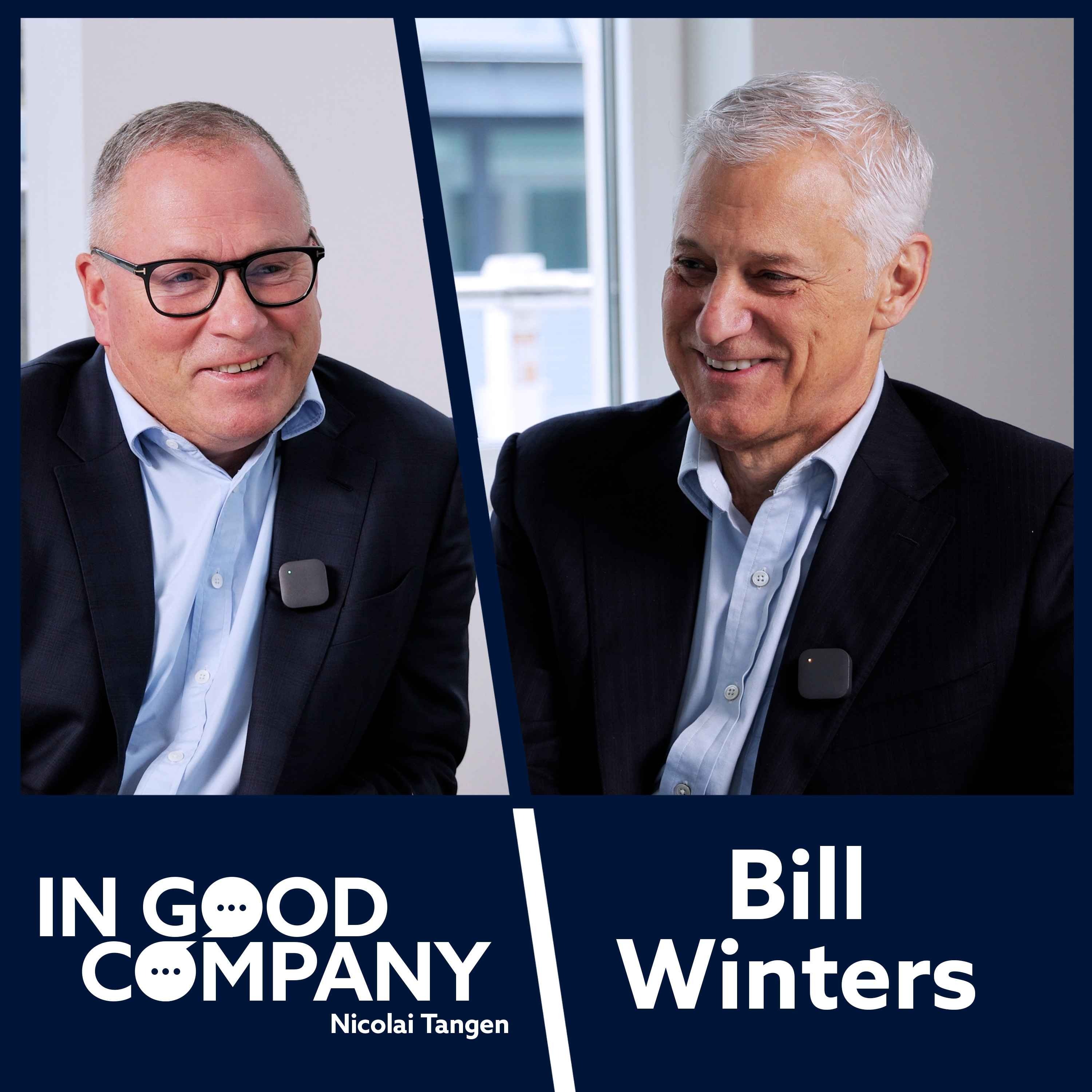
When communicating with shareholders during a crisis, Bill Winters didn't just present a plan. He explained why he, as an outsider with a comfortable life, chose the challenging CEO role. This demonstrated personal conviction in the bank's underlying value, building credibility beyond spreadsheets.
When hypergrowth causes you to fail internal stakeholders (like Operations), apologies are insufficient. Rebuild trust by going to the CEO and board *together* with the slighted team to advocate for a drastic roadmap pivot that prioritizes their needs, demonstrating true commitment to their success.
Dan Sundheim argues that while retail-driven markets create more shorting opportunities, the risk of a coordinated squeeze makes concentrated shorts too dangerous. The modern strategy is to hold a much more diversified portfolio of smaller short positions to survive extreme, irrational price moves that can 10x or 20x.
Unlike typical founders, Wang has been transparent about the market's finances, even telling the Wall Street Journal about his losses. This candor, born from not expecting the project to last, became an accidental asset. It fostered trust and showed he wasn't exploiting the community, deepening his connection with vendors and patrons.
