Get your free personalized podcast brief
We scan new podcasts and send you the top 5 insights daily.
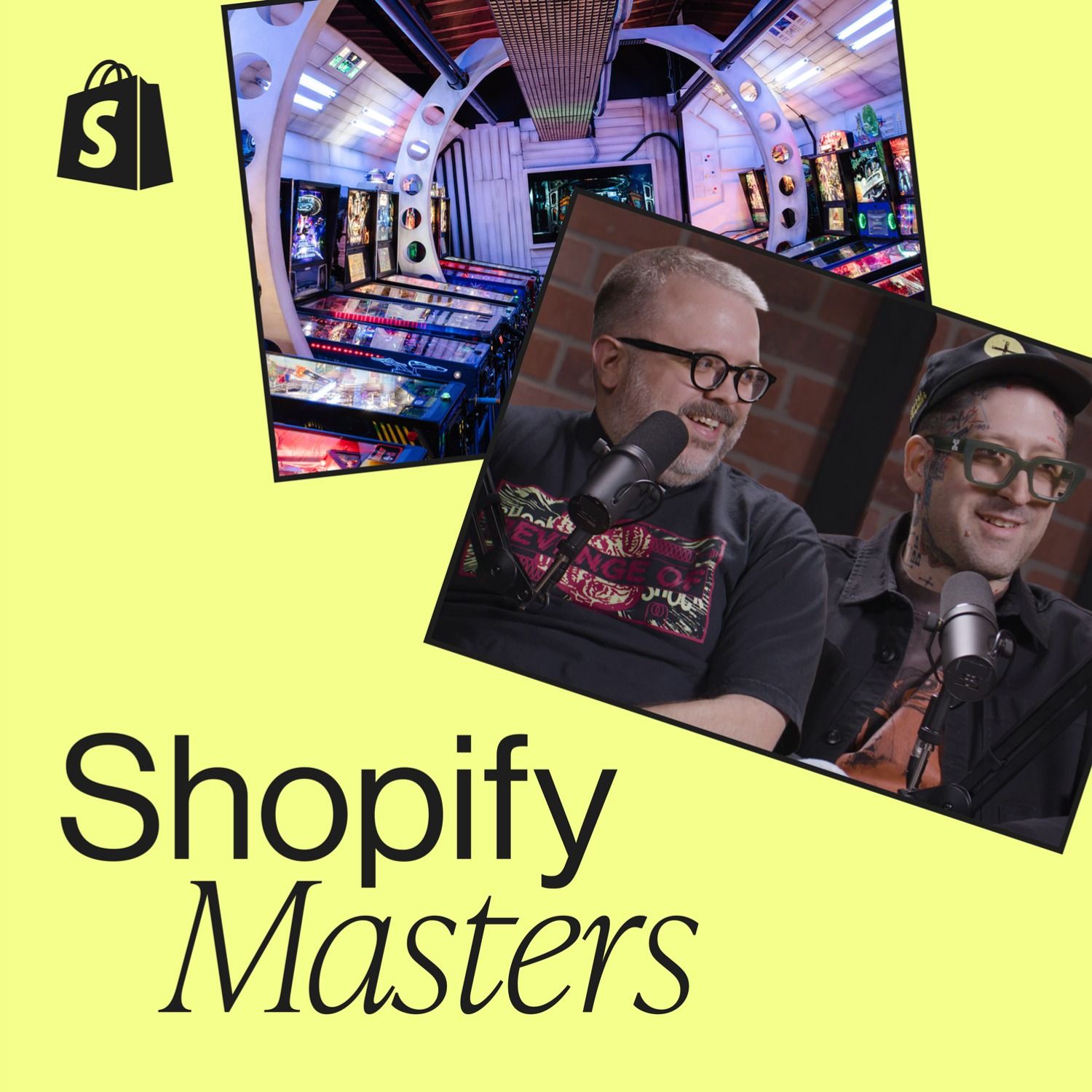
The founders' retail store serves as a physical portfolio for their primary production design studio. By showcasing their capabilities, the store attracts high-value B2B clients for design projects and events. This makes the store's profitability a complex, cross-business calculation that extends beyond its direct retail sales.
Related Insights
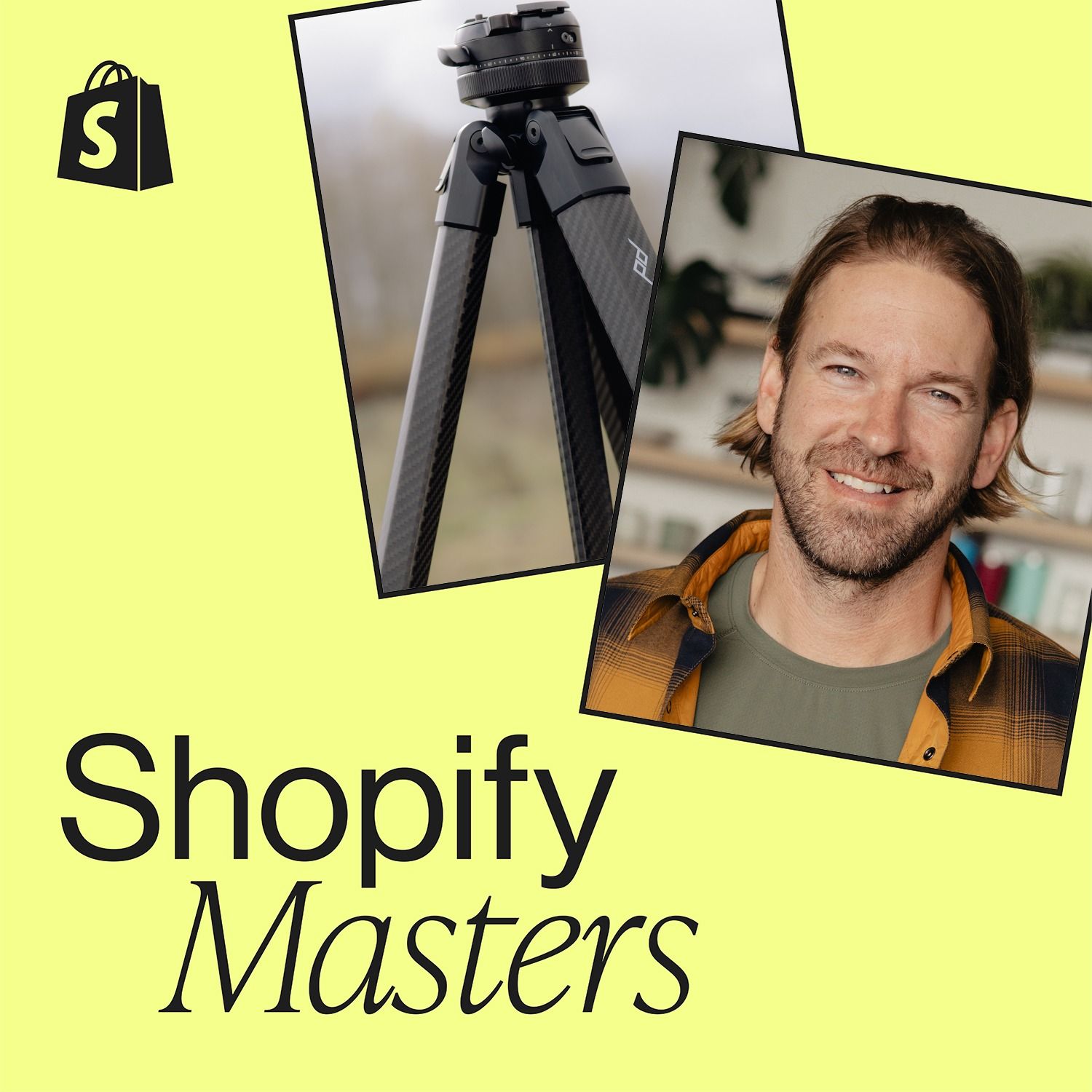
Contrary to common belief for online-native brands, Peak Design's own retail stores have the highest contribution margin. This is because shipping products in bulk freight to stores is cheaper than covering the high last-mile delivery costs for individual e-commerce orders, which often qualify for free shipping.
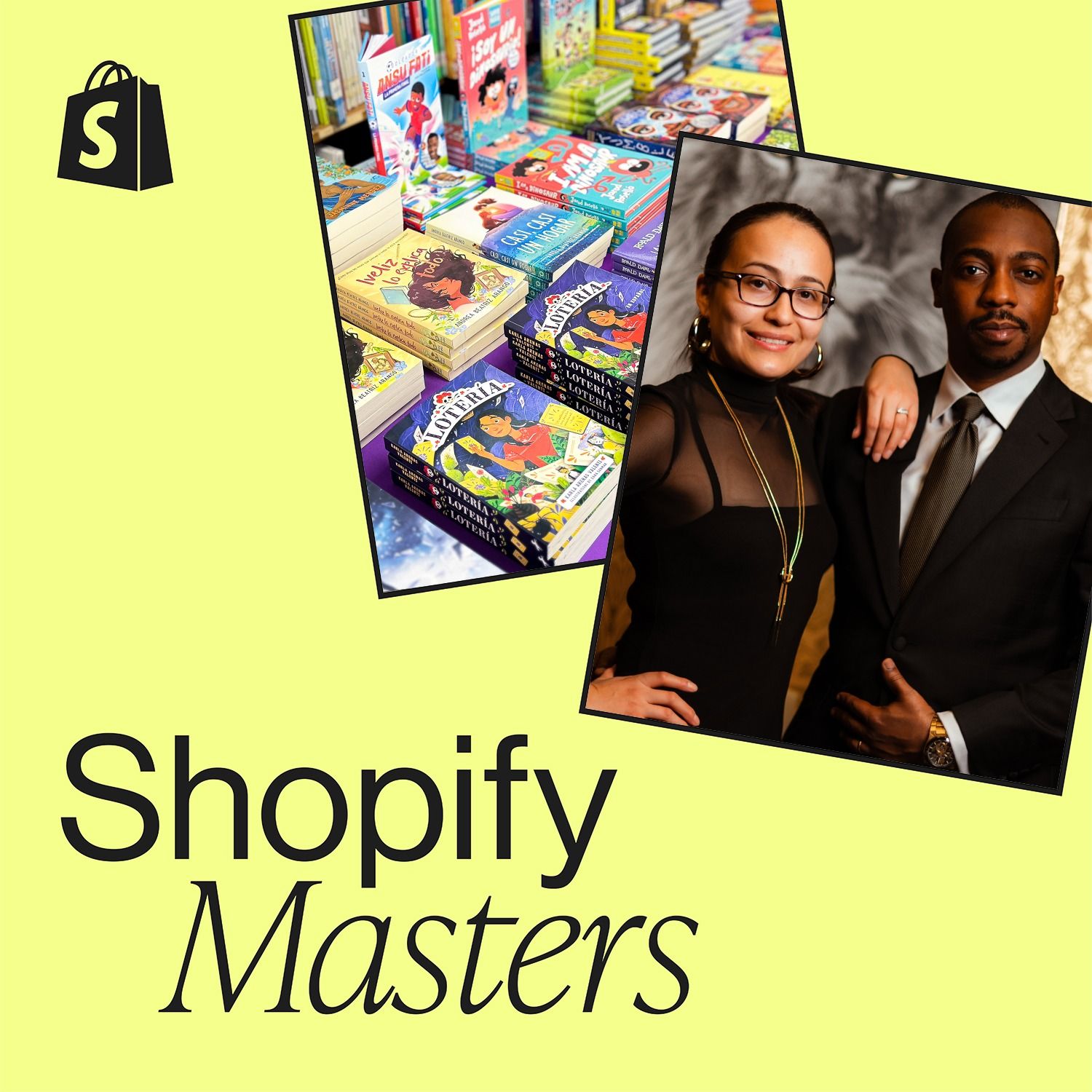
Miha Books' pivot to highly profitable school book fairs wasn't a strategic plan. It originated from a single PTA parent's suggestion while visiting their struggling brick-and-mortar store. This highlights how listening to customers can reveal a business's most lucrative opportunities.
The founders opened a coffee shop next to their store not primarily for profit, but to increase customer dwell time. The goal is to keep people in their 'community hub' longer, encouraging them to browse and spend more in the main store. The cafe functions as a strategic retention tool, fostering a synergistic loop.
For mission-driven brands, merchandise can be a significant revenue generator, not just a marketing gimmick. The Kyiv Independent's online store, selling clothing with provocative slogans related to its coverage, grew to become the company's second-largest source of income, demonstrating the power of a highly engaged community.

The key to effective portfolio entrepreneurship isn't random diversification. It's about serving the same customer segment across multiple products. This creates a cohesive ecosystem where each new offering benefits from compounding knowledge and trust, making many things feel like one thing.

To access high-end inventory without capital, Baer convinced a rug dealer to use her staged homes as showrooms for his products. This consignment model provided her with free, premium inventory and generated direct sales for her partner, creating a win-win.

A great retail experience goes beyond transactions. Successful brands like Lululemon create "retail theater" by hosting local events like yoga classes in their stores. This builds community and brand loyalty, generating higher long-term ROI than focusing purely on daily sales per square foot.

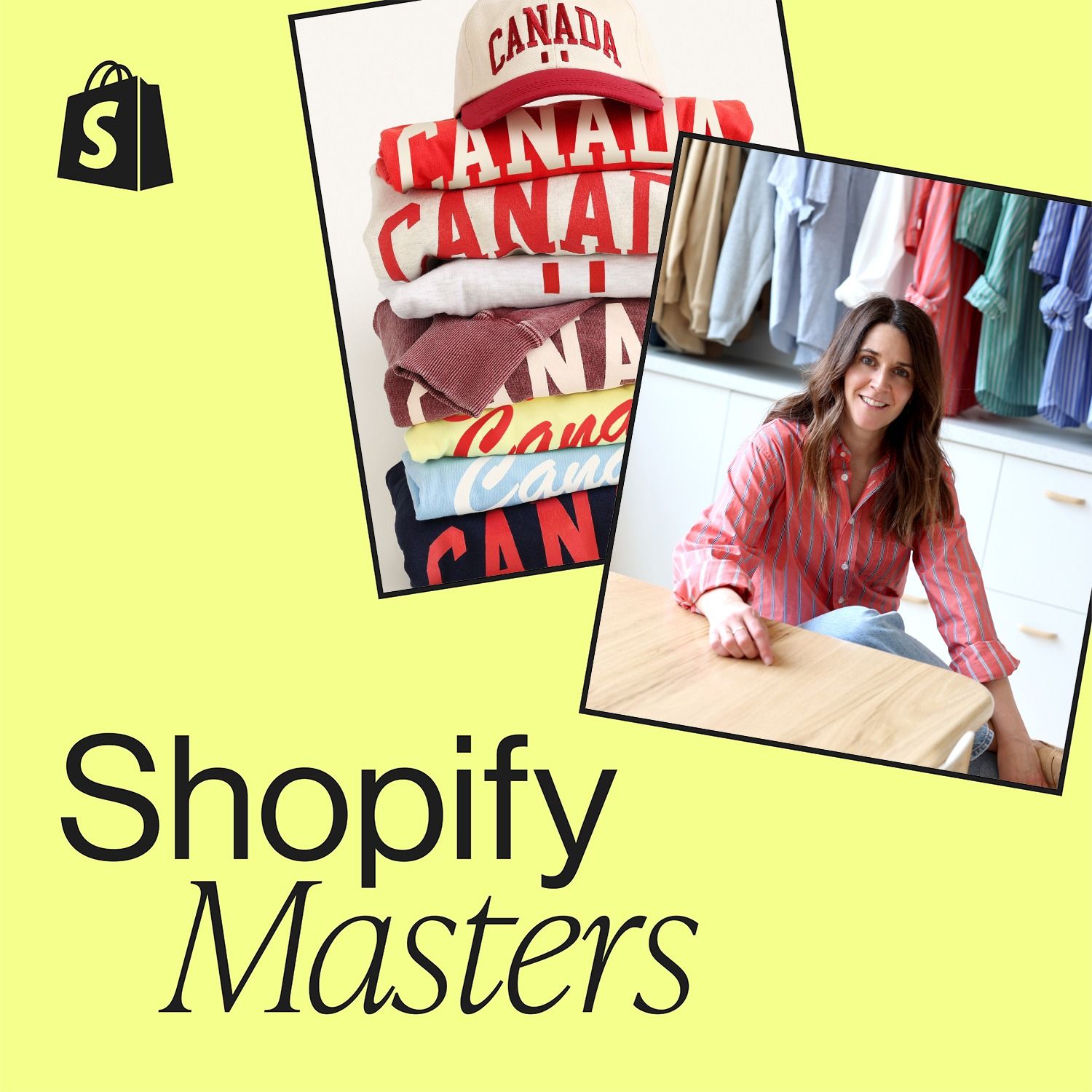
Before Province of Canada was their full-time focus, the founders ran a Shopify agency. This service business provided cash flow, deep platform expertise, and a testing ground for their ideas. It served as a real-world MBA, giving them the confidence and proof points to launch their own successful product brand.
Coterie treats its physical retail presence not just as a sales channel, but as a marketing tool. A well-placed product block acts like a billboard, driving discovery and funneling 10-12% of new customers back to their primary D2C subscription business.

Instead of selling leads to local businesses like garage repair shops, create a superior online storefront and marketing funnel. You take the full customer payment, then subcontract the actual service to a local provider at their standard rate, profiting from the margin created by a better customer experience.
