Get your free personalized podcast brief
We scan new podcasts and send you the top 5 insights daily.
AI agents can perform complex tasks like ordering food by interacting directly with restaurants and drivers, bypassing aggregator platforms like DoorDash. This disintermediation removes the "middleman tax," returning margin and power to the original creators, fulfilling the internet's early promise of direct, open access without powerful gatekeepers.

Related Insights
DoorDash's AI strategy is evolving from simple chatbots to true agentic commerce. This means the system won't just suggest food but will take action, such as automatically ordering a user's lunch by integrating with their calendar to know when they're available, creating a fully automated, personalized experience.

Demis Hassabis envisions a future internet where users' AI assistants negotiate directly with service providers' agents to book flights, make payments, and handle other tasks. This shift to an 'agent-to-agent' economic model will automate mundane work and fundamentally disrupt the current web's structure.

The primary threat AI agents pose to platforms like DoorDash or Uber isn't that they can "vibe-code" a replacement app. It's that they can eliminate the friction of price shopping, thereby commoditizing the demand side of the marketplace and destroying the customer lock-in that constitutes the company's core value.
The threat to companies like DoorDash isn't a new AI delivery service. It's an AI agent that optimizes consumer choice between DoorDash, Uber Eats, and direct ordering. The brand that "owns the agent" wins by commoditizing the underlying service providers, even if their operations remain superior.

Companies like Uber and DoorDash build moats on customer lock-in. AI agents will eliminate this by automatically price-shopping for users, commoditizing demand. This shifts the competitive battleground to supply-side aggregation, lowering barriers to entry for new players.
Middlemen like retailers exist because of information asymmetry. Personal AI agents, with deep knowledge of individual needs, will aggregate demand and purchase goods directly from producers like farmers and manufacturers. This will eliminate the need for advertisers and retailers and enable hyper-efficient supply chains.

The "DoorDash Problem" posits that AI agents could reduce service platforms like Uber and Airbnb to mere commodity providers. By abstracting away the user interface, agents eliminate crucial revenue streams like ads, loyalty programs, and upsells. This shifts the customer relationship to the AI, eroding the core business model of the App Store economy's biggest winners.
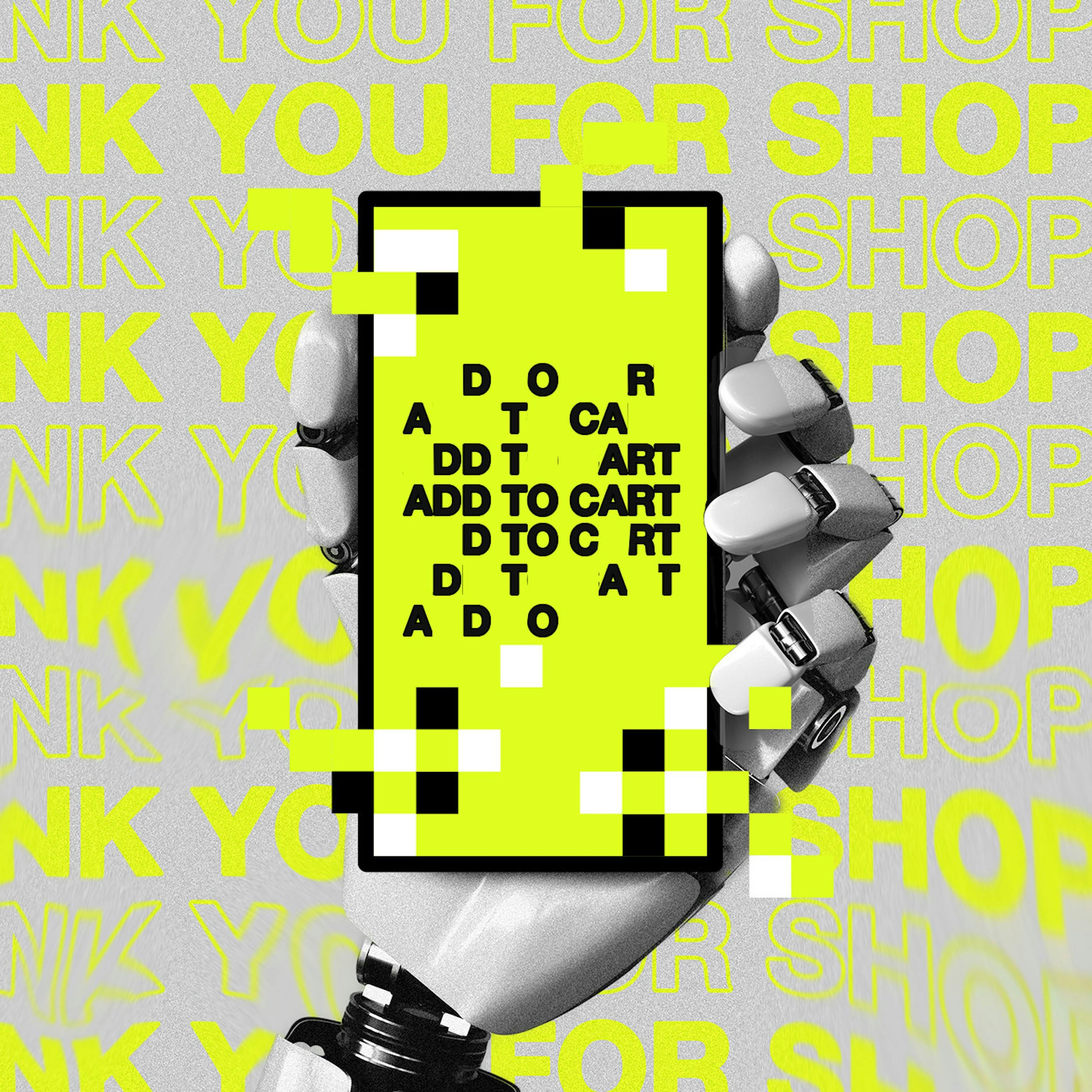
The relationship between user and service provider is changing. Agents will soon sign up for platforms like Vercel, manage payments, and solve problems with zero human intervention. This transforms the service provider into a vendor for the agent itself, not just the human behind it.

Unlike Google's ad-based model, future AI platforms like ChatGPT may vertically integrate and fulfill user requests directly. Instead of sending traffic to a real estate agent, the AI might become the real estate agent, capturing the entire value chain and eliminating the need for third-party businesses.

Similar to how mobile gave rise to the App Store, AI platforms like OpenAI and Perplexity will create their own ecosystems for discovering and using services. The next wave of winning startups will be those built to distribute through these new agent-based channels, while incumbents may be slow to adapt.