Get your free personalized podcast brief
We scan new podcasts and send you the top 5 insights daily.
Because 4chan is anonymous, users must prove their in-group status ('not a normie') solely through language. This intense selection pressure, combined with a lack of other identity signals, made the platform a uniquely potent incubator for new slang and memes.

Related Insights
Much of Gen Z slang follows a specific diffusion pattern. It often originates in Black communities (AAVE) or on 4chan, gets adopted by gay communities, spreads to their social circles, and eventually diffuses into mainstream culture.
Linguist Anne Kerzan reframes jargon not as a flaw, but as a specialized lexicon for a profession. It provides useful shortcuts and creates a sense of shared identity for insiders. The negative perception arises from being an outsider or when jargon is used to obscure meaning, such as with corporate euphemisms.
Just as people adapt speech for different social settings, online platforms like LinkedIn, X (Twitter), and TikTok are distinct environments or 'houses' that cultivate their own specific dialects, communication norms, and linguistic expectations for users.
Contrary to being a 'lesser' language, slang is arguably richer than standard vocabulary. A standard word often has only a specific referential meaning, whereas a slang term simultaneously communicates the speaker's identity (e.g., Gen Z), their attitude (contempt, affection), and their desired self-perception.

Richard Dawkins' definition of a meme as a self-replicating idea is incomplete. An idea must be put into a medium (e.g., speech, a TikTok video) before it can spread. The medium itself contains structured incentives that dictate how the meme evolves and goes viral.

The word "bop," once meaning a good song, was adopted by OnlyFans creators to describe their profession without being censored. This demonstrates "Algo Speak"—language evolving specifically to circumvent platform moderation, whether real or perceived.
Jonah Weiner intentionally used dense, stylized prose in his newsletter's early days. This 'unhinged enthusiasm' repelled some readers but created a strong sense of community and initiation for those who stayed, effectively building a loyal core audience.

What began as ironic, anti-PC humor on the right has become a genuine cultural touchstone. This 'vice signaling' acts as an antidote to perceived left-wing 'virtue signaling' and serves as an in-group code. Over time, the ironic masks have become the wearers' actual faces.
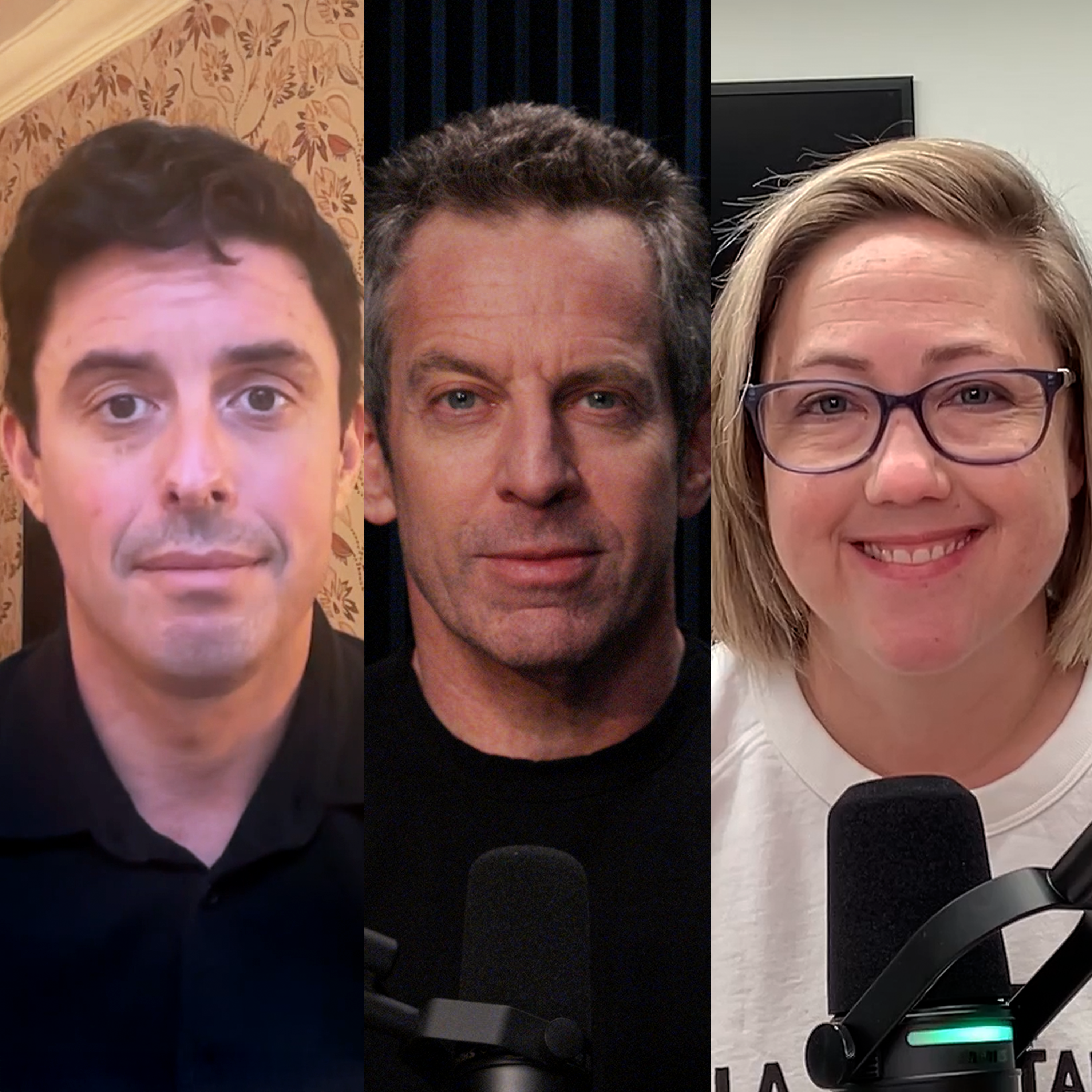
Linguist Adam Aleksic asserts that roughly 90% of modern internet slang originates from one of two sources: African-American English (AAVE), which spreads because it's seen as cool, or 4chan, which spreads through ironic humor. This reveals the narrow but powerful cultural wellsprings of online language.
Gen Alpha's slang, like '6-7' or 'Skibbity,' is intentionally nonsensical. Unlike older slang with stable definitions, it functions as a rapidly changing cultural password, proving in-group status through shared, context-less memes rather than conveying specific meaning.
