Get your free personalized podcast brief
We scan new podcasts and send you the top 5 insights daily.
Contrary to being a 'lesser' language, slang is arguably richer than standard vocabulary. A standard word often has only a specific referential meaning, whereas a slang term simultaneously communicates the speaker's identity (e.g., Gen Z), their attitude (contempt, affection), and their desired self-perception.

Related Insights
To master meme and slang translation, Z.AI trains models on data from public but niche online spaces like TikTok comment sections, where language is highly contextual and 'naughty.' This strategy, combined with creating synthetic data, allows their models to understand cryptic, emoji-laden communication that conventional datasets miss.

Linguist Anne Kerzan reframes jargon not as a flaw, but as a specialized lexicon for a profession. It provides useful shortcuts and creates a sense of shared identity for insiders. The negative perception arises from being an outsider or when jargon is used to obscure meaning, such as with corporate euphemisms.
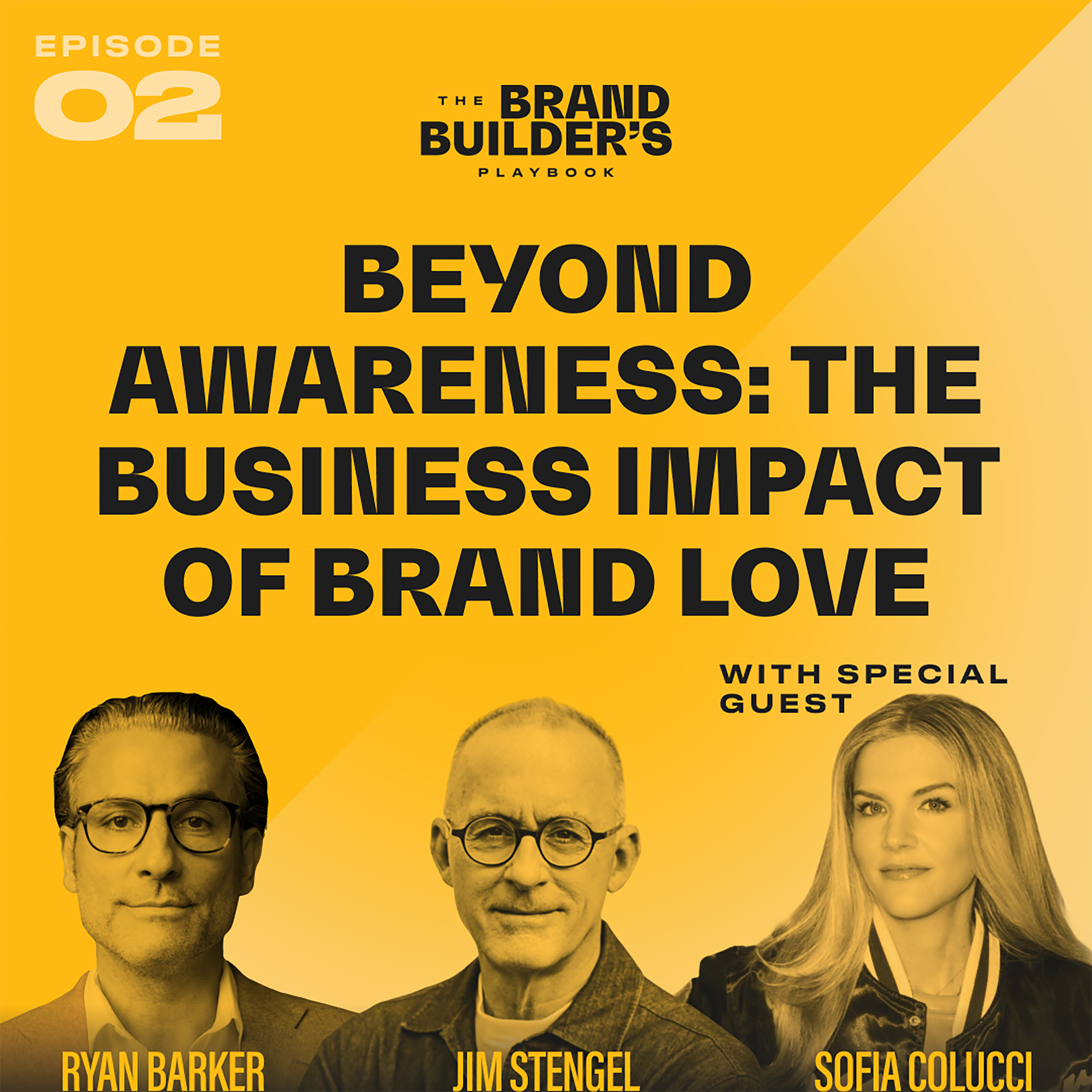
Brand love is often less about the product and more about what it symbolizes about the consumer. In an era of 'hyper-identity,' brands become signals people use to communicate their personal values and nuances. Marketing should focus on what the brand says about its user.
In specialized fields like fintech, subtle differences in terminology (e.g., "payment" vs. "payments") are powerful in-group signifiers. Getting these details right is critical for brands and ghostwriters to establish credibility. Getting them wrong immediately marks you as an outsider.

The authenticity of digital evidence can be questioned by analyzing its language. When an alleged perpetrator, described as a 'terminally online zoomer,' uses dated, crime-drama jargon like 'squad car' and 'drop points,' it creates a linguistic mismatch that suggests the messages may be inauthentic or constructed to fit a specific narrative.
Collectibles have evolved beyond niche hobbies into a mainstream communication tool, similar to fashion or luxury cars. Consumers use them to signal identity, tribal affiliation, and status. Brands can leverage this behavior to build deeper connections and create a sense of community.

Concepts once exclusive to gaming, like "leveling up," are now so common in everyday language that their origins are forgotten. This signifies deep cultural integration, where specialized vocabulary becomes so ubiquitous it's considered mundane.

In an AI-driven world, unique stylistic choices—like specific emoji use, unconventional capitalization, or even intentional typos—serve as crucial signifiers of human authenticity. These personal quirks build a distinct brand voice and assure readers that a real person is behind the writing.
The power of a curse word isn't just its taboo subject matter. It's that its use establishes a shared understanding that the speaker is deliberately trying to elicit an involuntary emotional reaction. This makes it effective for conveying strong feelings but inappropriate in neutral settings where no emotional provocation is desired.
Gen Alpha's slang, like '6-7' or 'Skibbity,' is intentionally nonsensical. Unlike older slang with stable definitions, it functions as a rapidly changing cultural password, proving in-group status through shared, context-less memes rather than conveying specific meaning.
