Get your free personalized podcast brief
We scan new podcasts and send you the top 5 insights daily.
Fortinet specifically hired Bill Hentschell, who worked at Worldwide Technology (WWT) in the '90s and maintained relationships there, to rebuild their high-value partnership. This underscores the power of pre-existing trust and insider knowledge in strategic channel management and relationship repair.

Related Insights
In high-stakes ABM plays, a peer-to-peer model is highly effective. A message from your CTO to their CTO, or your CFO to theirs, carries more weight and builds trust more rapidly than a salesperson's outreach. This executive engagement should be a core part of the ABM strategy.

WWT proactively invites vendors to share early code under NDA. Their teams, backed by real-world customer experience, test the products rigorously, providing invaluable feedback for improvement. This elevates their role from a simple reseller to a strategic development partner for vendors.
Instead of constantly chasing new leads, businesses can find immense growth by deepening existing relationships. A tech company ignored a referral partner for two years, but two follow-up meetings later generated $11.2 million, demonstrating the untapped potential within current networks.
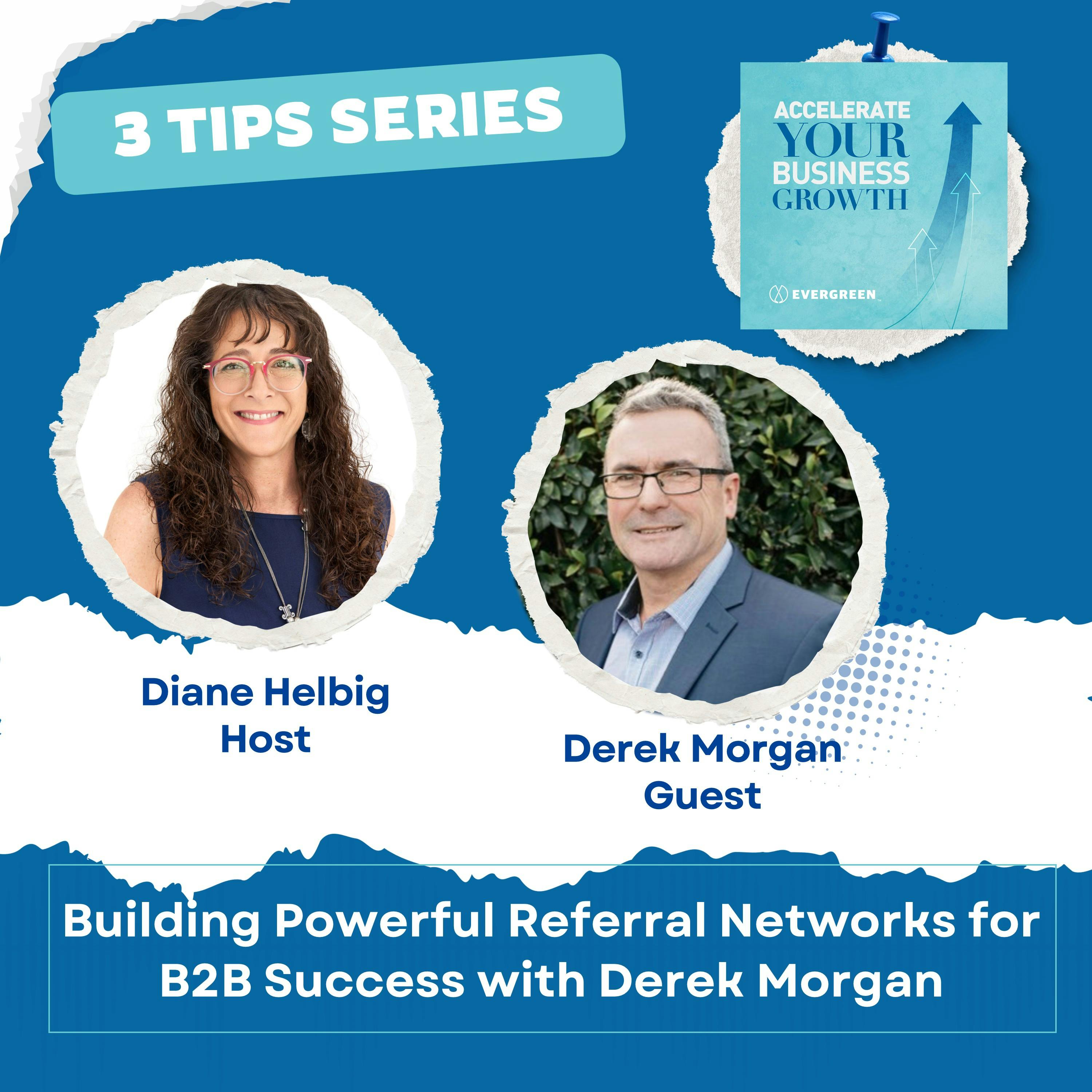
Instead of pushing for quick, high-margin sales or meeting vendor quotas, Worldwide Technology focused on multi-year relationships and solving core business problems. This customer-first, long-game approach was foundational to their growth from a few hundred million to a multi-billion dollar giant.
A critical date error on a time-sensitive ad campaign was salvaged not by a contract clause, but by a strong relationship with the media owner. They fixed the mistake and even added value, proving that professional rapport can be a powerful, informal insurance policy against human error.

Beyond not competing with partners, genuine trust is built by preventing "extreme favoritism to the bigger partner." Partners watch to see if you provide a level playing field for everyone, regardless of size. Trust is also solidified by how you act when things go wrong; a vendor that "shows up" during a crisis builds loyalty.
During a merger, prioritize people over process. Technical integration is secondary to building trust between teams. Use simple, cultural activities like joint happy hours and "show-and-tells" about the tech stack to humanize the engineering effort and foster empathetic collaboration early on.

Beyond cultural fit, the key to Cisco's successful Splunk acquisition was pre-existing trust between leaders who had worked together before. This allowed them to bypass the typical trust-building phase, accelerating integration and alignment on a common mission from day one.

PhonePe de-risked its crucial early hires by exclusively recruiting former colleagues from Flipkart or people who had worked directly with those colleagues. This "homecoming" strategy ensured a high-trust, high-performance team from day one, bypassing traditional interview processes.
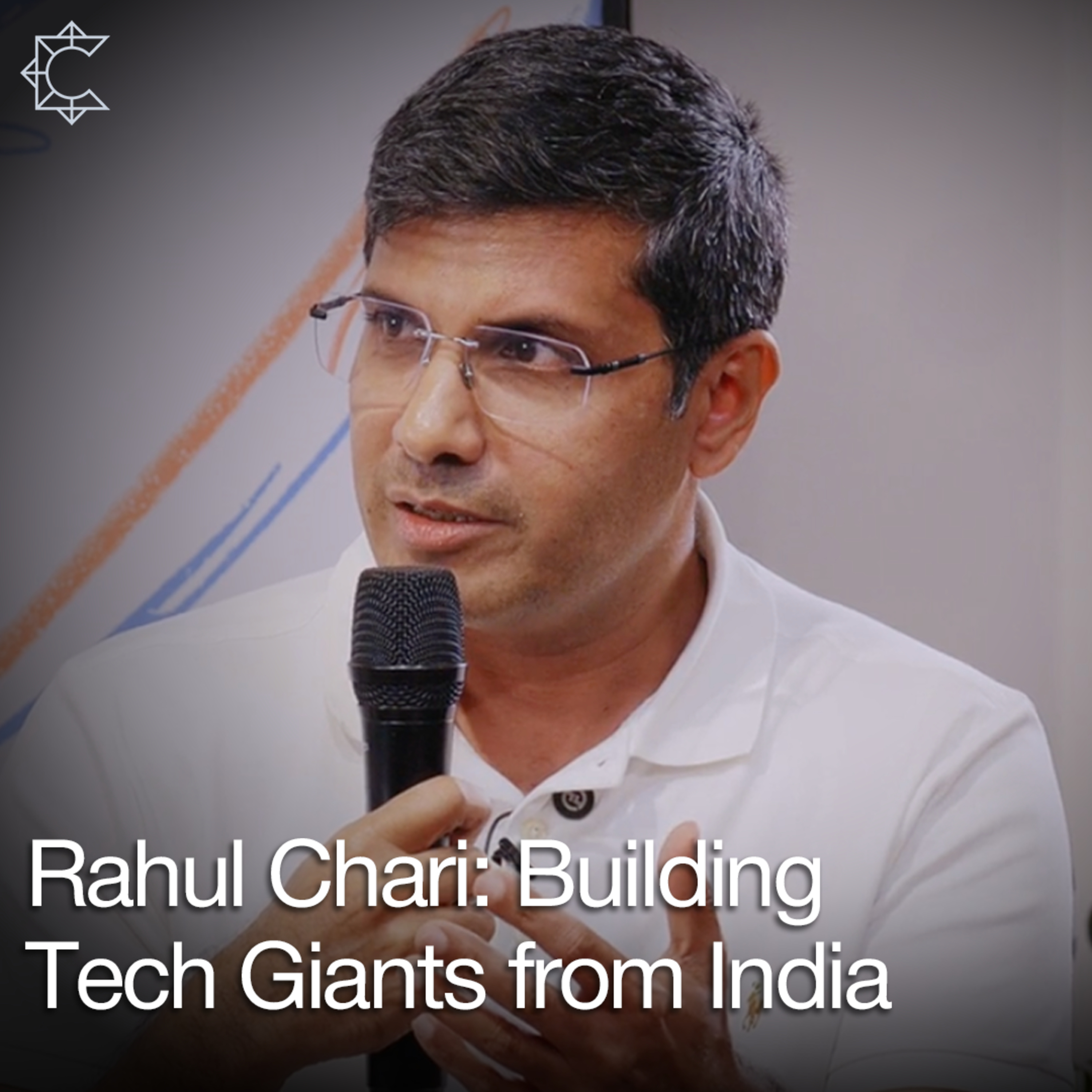
QED Investors realized they were misusing their famous founder, Nigel Morris, by only bringing him in for the final call. They now strategically deploy him early in the process to open doors and build relationships with target companies, using his reputation as an asset for outreach, not just a closing tool.
