Get your free personalized podcast brief
We scan new podcasts and send you the top 5 insights daily.
Sourcing medium-voltage power distribution centers created a 100-week lead time when Crusoe committed to delivering 200MW in Abilene within a year. By vertically integrating electrical manufacturing in-house, Crusoe produced the components in 28 weeks. Vertical integration provides insulation against supply chain bottlenecks, offers visibility into end-to-end raw material costs, and enables first-principles hardware design.

Related Insights
Beyond acquiring massive compute, Elon Musk's xAI is building its own natural gas power plant. This represents a deep vertical integration strategy to control the power supply—the ultimate bottleneck for AI infrastructure—gaining a significant operational advantage over competitors reliant on public grids.

With AI infrastructure spend topping $100B annually, hyperscalers like Amazon and Google are vertically integrating. They now manage everything from data center construction and micro-nuclear power to designing their own custom chips. For them, custom silicon has become a 'rounding error' in their budget and a key strategy to optimize costs.
SpaceX is entering the power turbine component market, an oligopoly protected by technically challenging and secretive manufacturing. By accepting high initial scrap rates for internal use, SpaceX can vertically integrate to accelerate its AI data center buildout, bypassing a supply chain where incumbents destroy manufacturing molds to protect their IP.

To speed up data center deployment, SpaceX will produce its own highly specialized power turbine blades and veins. This challenges a secretive oligopoly and addresses a major AI infrastructure bottleneck, potentially reducing turbine online times by 18 months. The manufacturing process is difficult, with makers destroying molds to protect trade secrets.
According to Poolside's CEO, the primary constraint in scaling AI is not chips or energy, but the 18-24 month lead time for building powered data centers. Poolside's strategy is to vertically integrate by manufacturing modular electrical, cooling, and compute 'skids' off-site, which can be trucked in and deployed incrementally.

While GPUs dominated headlines, the most significant bottleneck in scaling AI data centers was 100-year-old power transformer technology. With lead times stretching over three years and costs surging 150%, connecting new data centers to the grid became the primary constraint on the AI buildout.
Data center projects are frequently delayed by fragmented supply chains. The new solution, exemplified by Helix Digital, is to create joint ventures that unite capital partners (KKR), chip providers (Nvidia), and energy companies (Vistra) into a single entity from the outset, ensuring all critical components are aligned.
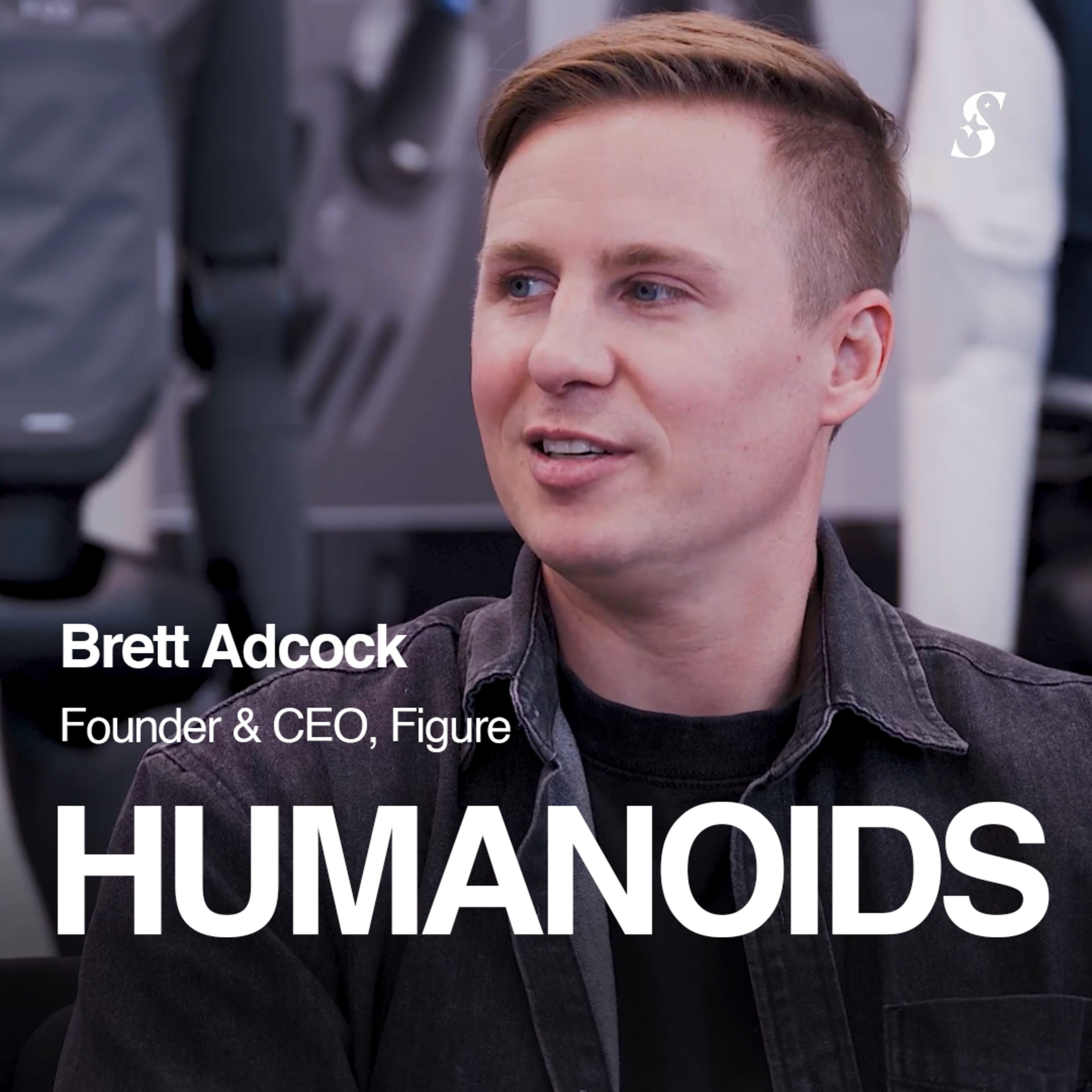
Figure designs nearly every component of its robots in-house, from motors to batteries. This extreme vertical integration, though costly upfront, prevents being at the mercy of third-party vendor timelines, code problems, or supply chain issues, enabling faster iteration and deeper system control.
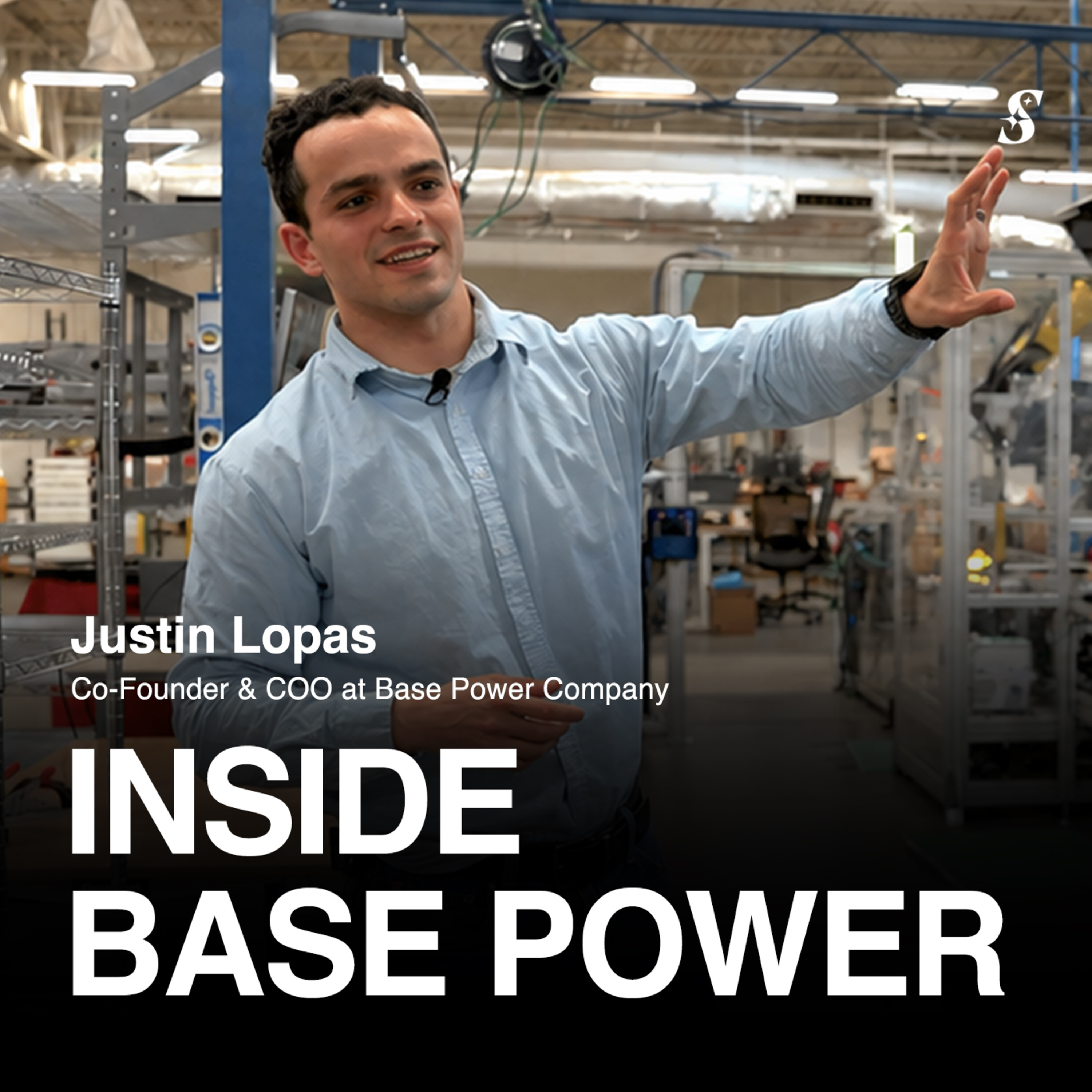
Instead of outsourcing, Base Power manufactures its batteries in-house in the US. This strategy gives them direct control over the production line, allowing for rapid hardware changes, reduced lead times, and lower costs compared to relying on contract manufacturers.
Etched builds its own chips, boards, cold plates, interconnects, and even its own racks. This full-stack ownership allows for extreme parallelization and iteration speed, a key advantage over startups that rely on a fragmented supply chain and multiple vendors.
![Etched - Building AI Hardware to Make Inference Faster and Cheaper - [Invest Like the Best, EP.480] thumbnail](https://megaphone.imgix.net/podcasts/532910c4-743d-11f1-b7dc-b31915c88b79/image/810c9e3a23b5c4ea0a56e5e4cc8d7e47.jpg?ixlib=rails-4.3.1&max-w=3000&max-h=3000&fit=crop&auto=format,compress)