Get your free personalized podcast brief
We scan new podcasts and send you the top 5 insights daily.
Emanuel deliberately puts himself in physically uncomfortable situations like ice baths and fasts. He believes that training his mind to handle physical hardship directly translates to a greater ability to endure business aggravation and make better decisions under pressure.

Related Insights
While chronic stress is damaging, short-term, acute stressors (hormetic stress) invoke a favorable adaptive response. Activities like intense exercise, saunas, or fasting, when followed by adequate recovery, strengthen the body's systems, making them more resilient to future challenges.

Committing to a difficult physical regimen, like weightlifting, builds more than muscle. It serves as a lever for self-mastery. The discipline and confidence gained from pushing your physical limits directly translates to other areas of your life and business, creating a powerful ripple effect.

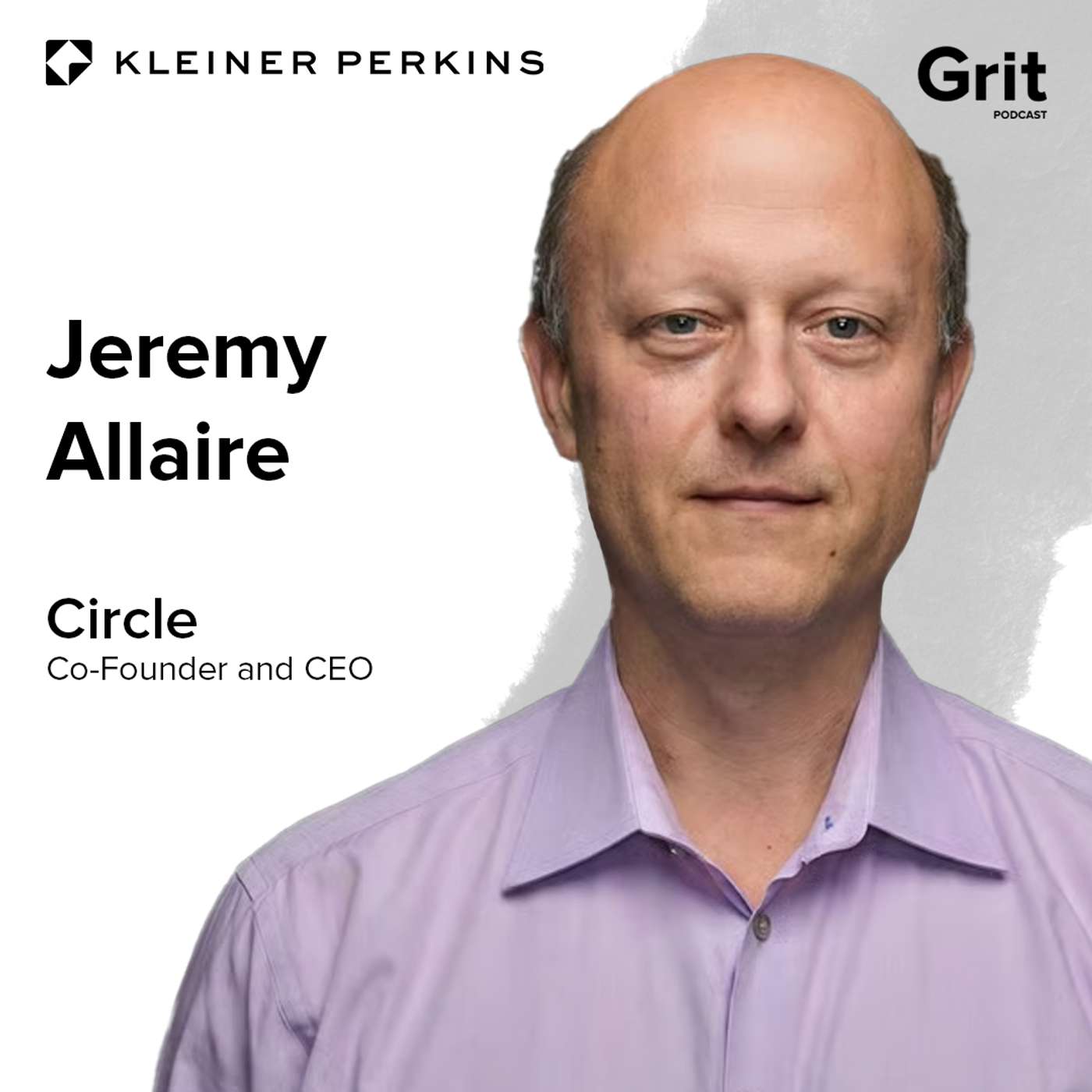
The immense pressure of building Circle took a physical toll on Jeremy Allaire. He responded by systematically improving his health—fitness, sleep, diet, mindfulness, and sobriety. He views peak personal wellness not as a luxury but as a necessary tool to absorb complexity and lead effectively.
To develop emotional neutrality for high-stakes business situations, practice with low-stakes "friction." For example, flip a coin to decide if you get your daily coffee. This inoculates you against disappointment and builds the muscle for handling real adversity.
High-stakes business requires not just intellect but the capacity to handle immense emotional pressure. This 'emotional endurance,' often forged through personal hardship, provides a critical competitive edge during moments of extreme stress, such as a multi-billion dollar negotiation where the outcome is uncertain.
![Ari Emanuel - The Anti-AI Bet - [Invest Like the Best, EP.448] thumbnail](https://megaphone.imgix.net/podcasts/c5910280-c4dd-11f0-94be-ab6a7a5865b0/image/1e5a2263eb62fcde200846919e24419a.jpg?ixlib=rails-4.3.1&max-w=3000&max-h=3000&fit=crop&auto=format,compress)
Instead of avoiding stress, founders should intentionally confront stressful situations, like firings or difficult decisions, early on when stakes are lower. This "stress-maxing" builds a tolerance for these events, reducing their long-term impact when the company is larger.

Physician Peter Attia's intense work ethic stemmed from deep insecurity. To prepare for high-stakes surgical situations, he created extreme simulations, like practicing suturing all night while sleep-deprived and physically uncomfortable, to forge resilience.

Huberman argues for the value of controlled, difficult states, such as extreme exhaustion or cold exposure. These experiences teach you how to function when your body and mind are pushed to their limits. This builds resilience and expands your understanding of your own capacity, preparing you for life's unavoidable challenges.

Emanuel believes his extreme wellness routines are direct training for business. By teaching his mind to handle the physical discomfort of ice baths or fasting, he builds the mental capacity to endure professional aggravation. This practice of being "comfortable in the uncomfortable" translates directly to entrepreneurial resilience.

The discipline of pushing through physical pain and enduring grueling practices in sports builds a powerful tolerance for difficult situations. This resilience is a key differentiator for founders, who must constantly perform unpleasant tasks and navigate high-stress scenarios to succeed.
