Get your free personalized podcast brief
We scan new podcasts and send you the top 5 insights daily.
While there was a business case for expanding Kettle Chips to the UK, the founder admitted a primary driver was his personal desire to have an excuse to travel to Europe more often. This shows how personal passions can fuel successful, albeit unconventional, business strategies.

Related Insights
Healy acknowledges his decision to expand to the UK as a small regional brand was illogical and naive. He believes this lack of foresight is crucial for entrepreneurs, as knowing the true difficulty of a venture would prevent them from attempting such bold, category-defining moves in the first place.
Dell attributes his four-decade-long drive not to a world-changing mission, but to an insatiable curiosity and the simple fun of solving business challenges, which he views as complex puzzles. This intrinsic motivation has sustained his enthusiasm without dulling over time.

Michael Dubin didn't conduct market research; he found his business opportunity in his personal annoyance with the high cost and inconvenient process of buying razors from a locked case. This shows that powerful business ideas often hide in plain sight as everyday frustrations.
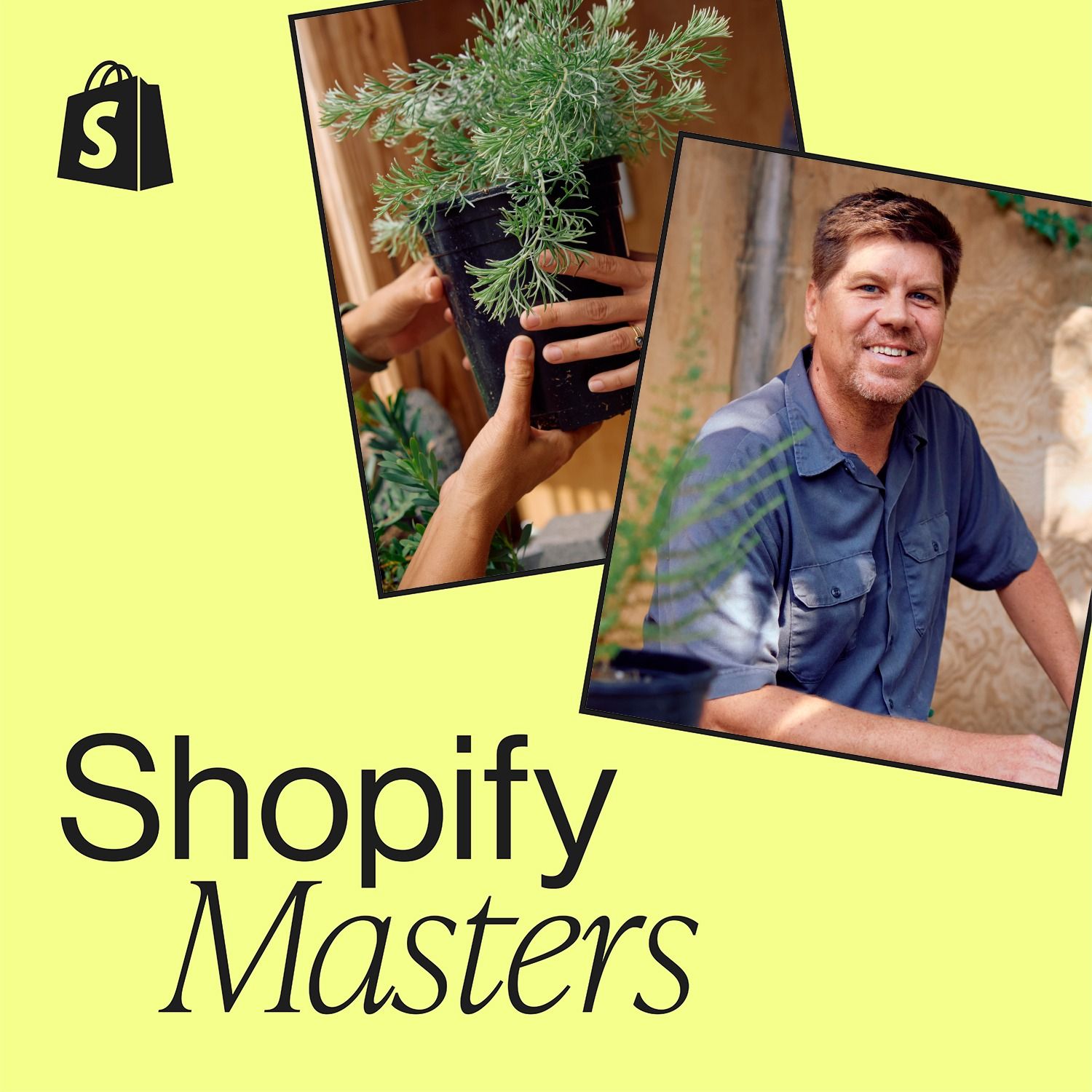
The founder's motivation for leaving a stable corporate career is a clear, personal vision: sitting in a rocking chair at his plant store when he's old. This tangible, lifestyle-oriented goal provides a powerful 'why' that transcends financial metrics and justifies entrepreneurial risk.
While ambition was a factor, the primary motivators for Kukun's founder to leave a high-paying consulting job were non-financial. He wanted to stop constant travel to be present for his growing children and to build something tangible he could "finish," unlike consulting projects. This highlights that lifestyle can be a stronger driver than pure entrepreneurial zeal.

Koenigsegg's company wasn't a calculated business decision but a deep-seated "compulsion" he had to get out of his system. This intrinsic drive, where passion chooses the founder, is the fuel for enduring decades of hardship. It's a non-replicable asset that becomes the soul of the brand and its products.

While financial success is a goal, it's rarely the primary motivator for entrepreneurs. The decision to start a business is often driven by deeper emotional needs: building a new identity, gaining independence, serving a community, or living by one's values. This emotional dimension is often overlooked by business schools that frame entrepreneurship as purely economic.

The most enduring companies, like Facebook and Google, began with founders solving a problem they personally experienced. Trying to logically deduce a mission from market reports lacks the authenticity and passion required to build something great. The best ideas are organic, not analytical.
Despite terrible market timing (a pandemic, one week before a presidential election), Bobbi Brown launched Jones Road Beauty on the specific day her non-compete ended. This decision was driven by the deep personal motivation of regaining her freedom, proving that powerful intrinsic drivers can override conventional business logic.

Successful people with unconventional paths ('dark horses') avoid rigid five or ten-year plans. Like early-stage founders, they focus on making the best immediate choice that aligns with their fulfillment, maintaining the agility to pivot. This iterative approach consistently outperforms fixed, long-term roadmaps.