Get your free personalized podcast brief
We scan new podcasts and send you the top 5 insights daily.
The founder's motivation for leaving a stable corporate career is a clear, personal vision: sitting in a rocking chair at his plant store when he's old. This tangible, lifestyle-oriented goal provides a powerful 'why' that transcends financial metrics and justifies entrepreneurial risk.

Related Insights
The most successful founders, like Koenigsegg, say the same things on day one as they do 20 years later. Their success comes not from pivoting, but from the relentless, decades-long execution of a single, powerful vision. This unwavering consistency compounds into a massive competitive advantage and defines the company's character.

True entrepreneurship often stems from a 'compulsion' to solve a problem, rather than a conscious decision to adopt a job title. This internal drive is what fuels founders through the difficult decisions, particularly when forced to choose between short-term financial engineering and long-term adherence to a mission of creating real value.

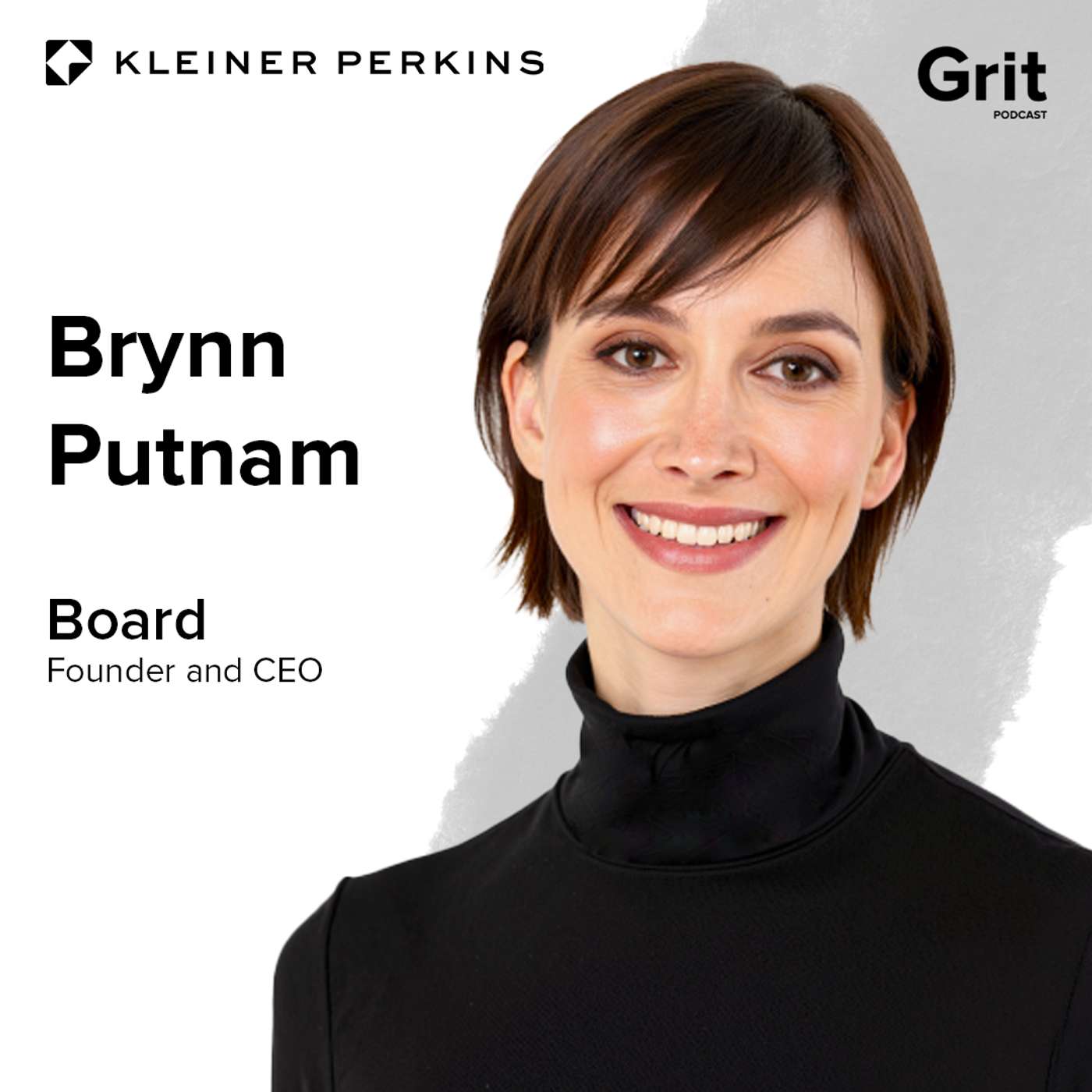
Bryn Putnam's shift from Mirror (solving personal fitness) to Bored (solving family connection) shows that compelling startup ideas often arise from a founder's current personal problems and values, evolving as their life does.
Instead of optimizing for a quick win, founders should be "greedy" and select a problem so compelling they can envision working on it for 10-20 years. This long-term alignment is critical for avoiding the burnout and cynicism that comes from building a business you're not passionate about. The problem itself must be the primary source of motivation.

The founder's mission is to increase public access to native plants. He views potential competition from giants like Home Depot not as a threat, but as a sign of success. If they start selling his niche products, he feels he's achieved his goal, even if it puts him out of business.
Many founders treat their startup as a temporary vehicle to an exit, which can lead to an identity crisis after they "win." A healthier approach is to build a company as a "way of life"—a system of activities you want to engage in for the long term, regardless of specific outcomes.

After burning out, Bumble's founder returned with renewed purpose by reframing the company not as an app, but as a "vehicle to deliver love." This elevated, mission-driven perspective—seeing the company as a means to a greater societal end—can be a powerful tool for leaders to overcome fatigue and reconnect with their work.

John Grisham's career change wasn't solely a flight from the pressures of law. He was pulled by the "huge dream that became all-consuming" of becoming a full-time writer. This illustrates that a powerful, positive vision for the future provides more sustained motivation for a difficult transition than simply the desire to escape a negative situation.
To identify non-consensus ideas, analyze the founder's motivation. A founder with a deep, personal reason for starting their company is more likely on a unique path. Conversely, founders who "whiteboarded" their way to an idea are often chasing mimetic, competitive trends.

Beyond financial incentives, personal ego and the desire to build an independent legacy can be powerful and valid motivators for spinning out to start a new venture firm, even when leaving a successful family operation.
