Get your free personalized podcast brief
We scan new podcasts and send you the top 5 insights daily.
When leaving an all-consuming career like professional sports, you lose a core part of your identity. Steve Young advises treating this transition like a death: actively mourning and burying the old self to create closure. Without this process, you carry the past around, preventing a true shift to the next chapter.

Related Insights
Selling a business often triggers a period of depression. A founder's self-worth is deeply intertwined with the daily grind and pressures of their company. When that is removed, they experience a significant loss and must redefine their identity outside of their work.

Ask yourself Steve Ahern's question: 'Who are you when the on-air light switches off?' This forces you to separate your core identity from your professional role. Knowing who you are without your job title is crucial for navigating career changes, promotions, or retirement without facing an existential crisis.

Unlike professionals who move to similar roles, entrepreneurs enter a vulnerable "in-between time" after their company ends. Their personal narrative was tied to their last venture, leaving them in a "weird wasteland" while figuring out what's next, a period that is often overlooked.

Over-identifying with your role and company leads to a significant identity crisis when you leave. This mistake causes burnout and delays the discovery of your unique value outside of a corporate structure. True security comes from your own transferable skills, not your employer's brand.

To recover from a professional failure like a layoff, impose a strict and short mourning period (e.g., one week). Then, immediately pivot to proactive measures like networking and applying for new jobs. Taking tangible action is a powerful antidote to the paralysis and anxiety that often accompany career setbacks.

When elite performers retire, the subsequent identity crisis often stems less from the loss of a singular goal (e.g., winning Mr. Olympia) and more from the dissolution of the highly structured daily routine that supported it. Reintroducing discipline and structure, even without the grand objective, is key to rebuilding a sense of self.

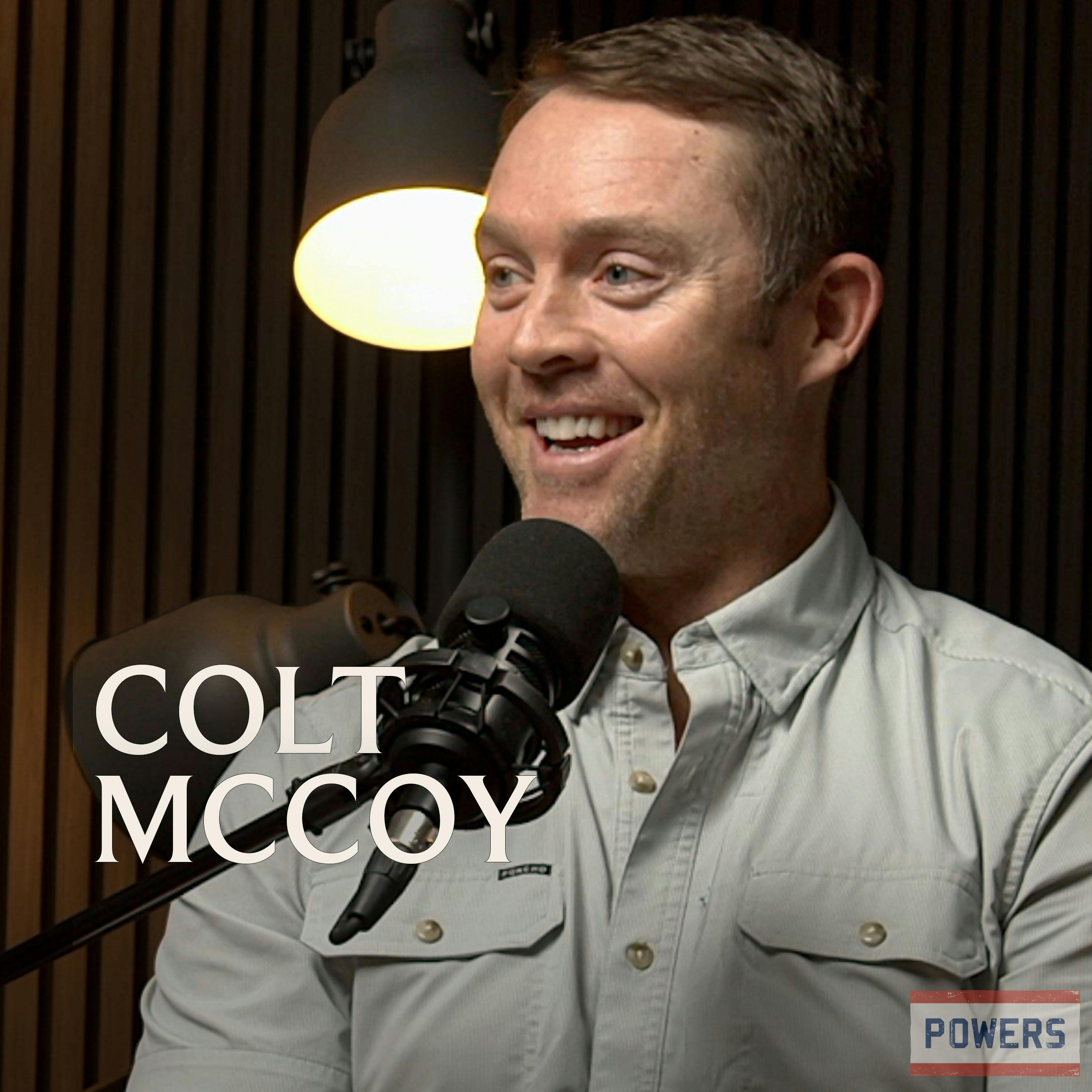
When retiring from the NFL, Colt McCoy and his wife used a whiteboard to map out pros and cons of future paths, prioritizing family goals over defaulting to a coaching career. This structured, patient process of alignment led them to a new city and a new career in real estate.
Leveling up in your career is not just about gaining new skills; it's about shedding old identities and relationships. This separation is a necessary, albeit painful, part of growth, like a butterfly leaving its cocoon.

When considering a major career change, it's easy to get trapped by the "sunk cost" of your existing industry expertise and identity. The key to making a successful long-term pivot is to consciously ignore what you've built in the past and focus on what will bring fulfillment and growth over a multi-decade career.

When a defining career ends, the biggest struggle is often existential, not financial. Our culture fuses identity with profession ('what you do is who you are'), creating a vacuum when the job is gone. This leads to profound questions of self-worth, value, and purpose that transcend money.
