Get your free personalized podcast brief
We scan new podcasts and send you the top 5 insights daily.
The common belief that AI can't truly understand human wants is debunked by existing technology. Adam D'Angelo points out that recommender systems on platforms like Instagram and Quora are already far better than any individual human at predicting what a user will find engaging.

Related Insights
AI won't replace designers because it lacks taste and subjective opinion. Instead, as AI gets better at generating highly opinionated (though not perfect) designs, it will serve as a powerful exploration tool. This plants more flags in the option space, allowing human designers to react, curate, and push the most promising directions further, amplifying their strategic role.

Social media algorithms amplify negativity by optimizing for "revealed preference" (what you click on, e.g., car crashes). AI models, however, operate on aspirational choice (what you explicitly ask for). This fundamental difference means AI can reflect a more complex and wholesome version of humanity.

X plans to delete all heuristics from its recommendation system. The feed will instead be powered by Grok, which will analyze every piece of content to match users with posts and videos. This is a move from a traditional, rule-based algorithm to a fully generative, AI-driven content discovery engine.

The future of media is not just recommended content, but content rendered on-the-fly for each user. AI will analyze micro-behaviors like eye movement and swipe speed to generate the most engaging possible video in that exact moment. The algorithm will become the content itself.

The fear of AI replacing marketers is misplaced. AI's value is in executing tasks at a scale impossible for any human team, such as crafting and sending a completely unique email to every single website visitor.

Social media feeds should be viewed as the first mainstream AI agents. They operate with a degree of autonomy to make decisions on our behalf, shaping our attention and daily lives in ways that often misalign with our own intentions. This serves as a cautionary tale for the future of more powerful AI agents.

AI struggles to provide truly useful, serendipitous recommendations because it lacks any understanding of the real world. It excels at predicting the next word or pixel based on its training data, but it can't grasp concepts like gravity or deep user intent, a prerequisite for truly personalized suggestions.

As models mature, their core differentiator will become their underlying personality and values, shaped by their creators' objective functions. One model might optimize for user productivity by being concise, while another optimizes for engagement by being verbose.
As AI-powered recommendation engines become ubiquitous, there is a growing appreciation for human-curated content. Services that feature long-form, human-led sessions, like DJ sets on YouTube, offer an authentic experience that users are starting to prefer over purely algorithmic playlists.

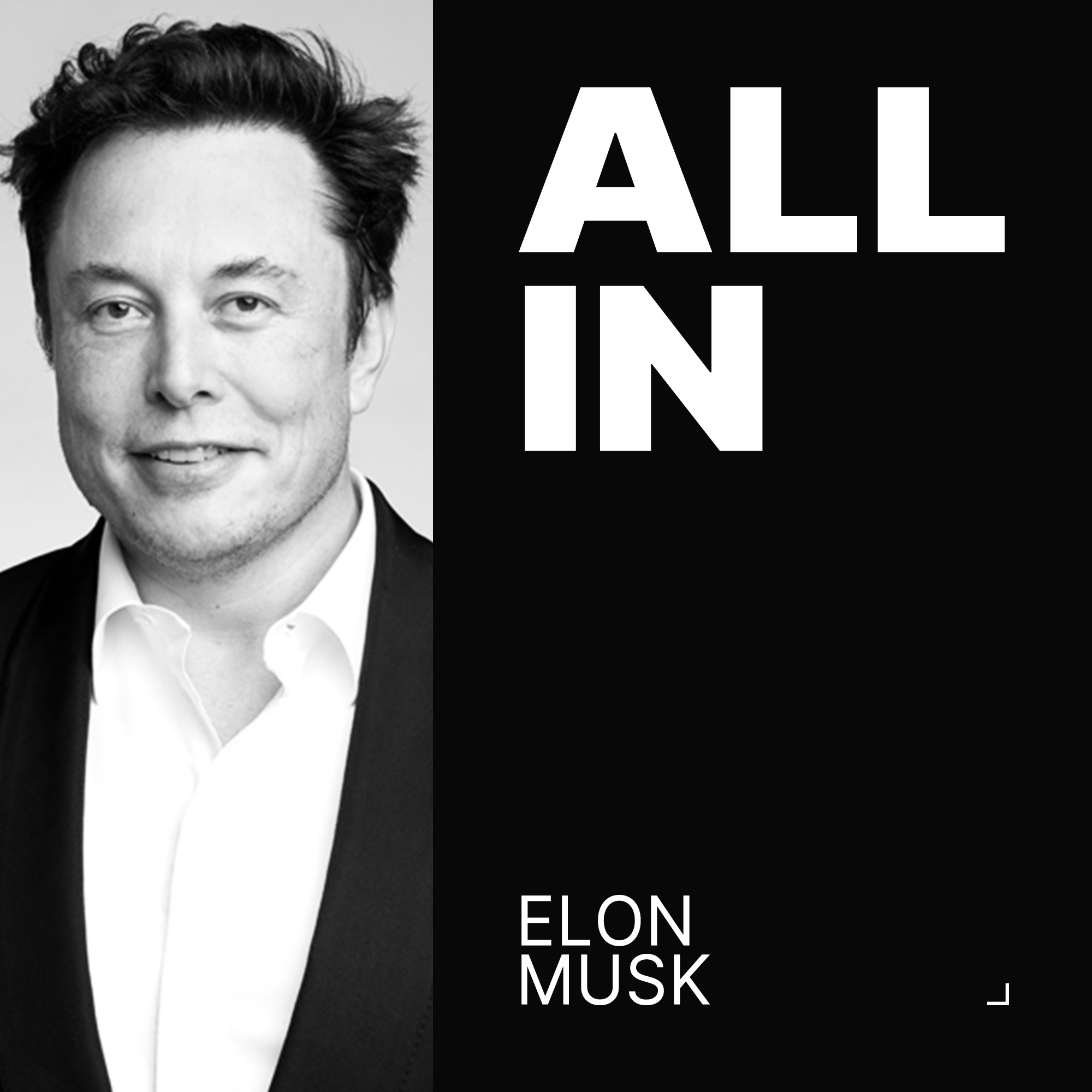
To move beyond simple engagement signals, Elon Musk's X is deploying Grok to read and understand up to 100 million posts per day. The AI will categorize and match content to individual users, a personalization task he says is impossible for humans to perform at scale.