Get your free personalized podcast brief
We scan new podcasts and send you the top 5 insights daily.
To capitalize on a market boom, Sales Gravy hired aggressively but soon realized they lacked the leadership to manage the new capacity. Their key strategic executive hire quit after just three weeks, creating a crisis and causing the founder to question the entire scaling strategy. This shows that rapid growth doesn't just bring opportunity; it introduces complex operational pains that can threaten the business.

Related Insights
Citing Unity's CEO, Adrian Solgaard highlights the "messy middle" of scaling (from 12 to 100 employees). This awkward phase lacks the intimacy of a small startup and the structure of a large corporation, requiring a difficult leadership transition that founders often struggle with.

Founders often chase growth without considering the personal cost. Adding new services or employees can introduce complexities that make you hate your business. Self-awareness about what makes you happy is a crucial strategic filter for growth decisions.

Founders often try to hire for the entire year's plan at once, overwhelming internal systems. Instead, establish a sustainable monthly or quarterly hiring pace to maintain quality, culture, and operational stability during hypergrowth.

Processes that work at $30M are inadequate at $45M. Leaders in hyper-growth environments (30-50% YoY) must accept that their playbooks have a short shelf-life and require constant redesign. This necessitates hiring leaders who can build for the next level, not just manage the current one.

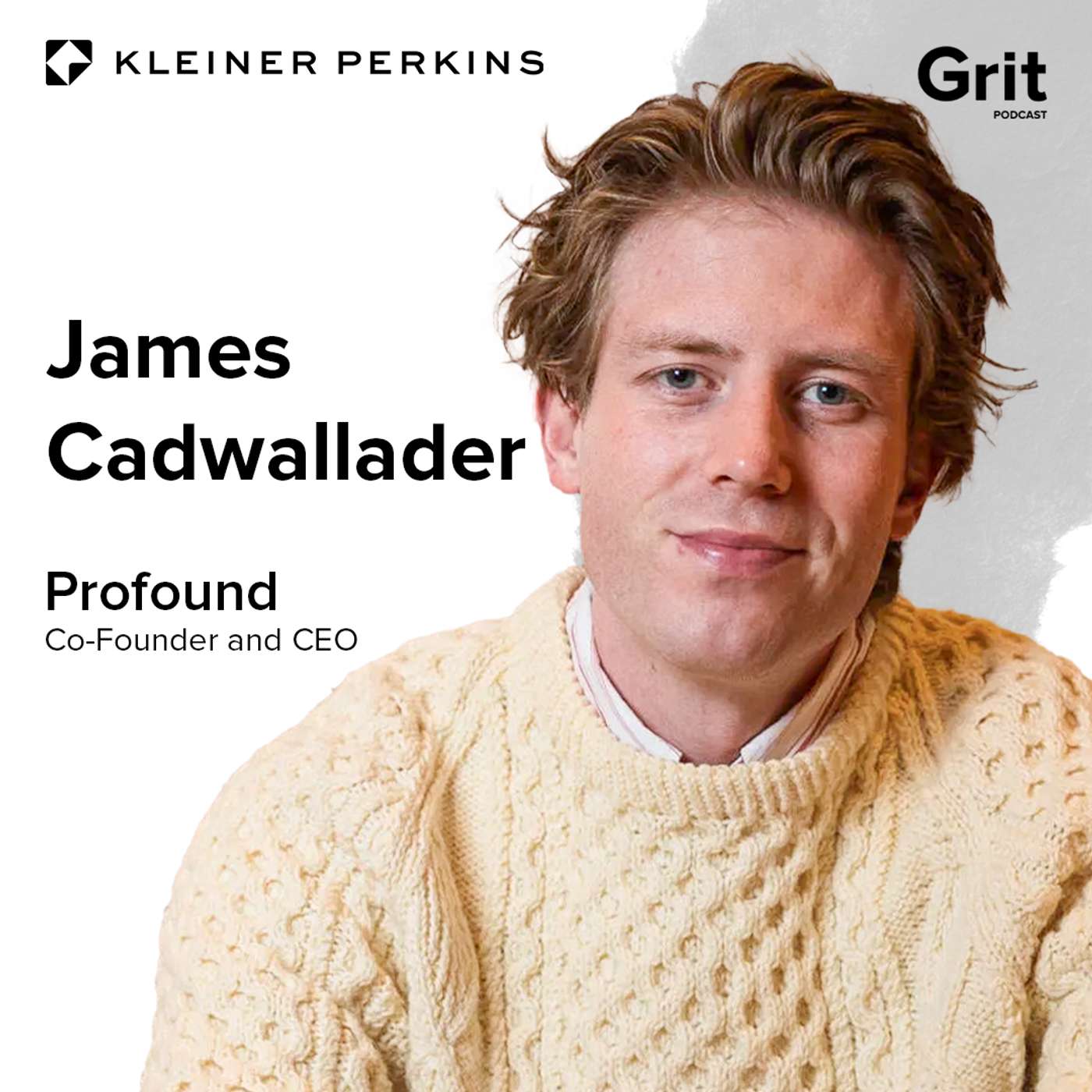
A scaling founder can avoid "breaking the model" during hypergrowth by hiring senior leaders with proven track records in similar environments. For example, Profound hired a CRO who previously scaled a company with the same target customer to $250M, bringing invaluable experience to manage chaos.
Contrary to the belief that growth solves all problems, it often magnifies existing cracks in processes, hiring, and forecasting. Leaders must transition from managing by instinct to building structured, repeatable systems to scale successfully.

In exponentially scaling companies, rapid churn isn't always a red flag. It can mean the company's needs evolve so quickly that the leadership required for one stage (e.g., $1B to $10B) is different from the next, compressing normal career cycles.

Leaders in rapidly scaling companies must anticipate leadership needs 6-9 months in advance. Waiting until the gap is obvious means you are already behind, given the long recruitment and ramp times for senior talent. This lag creates a capacity bottleneck that can cause the company to miss its goals.

Toast hit a wall after reaching initial traction. While customers wanted the product, the company's execution was failing due to poor hiring, a lack of systems, and weak culture. This reveals that scaling operations is a distinct and critical challenge after finding PMF.
Business growth isn't linear. Scaling up introduces novel challenges in complexity, cost, and logistics that were non-existent at a smaller size. For example, doubling manufacturing capacity creates new shipping and specialized hiring problems that leadership must anticipate and solve.