Get your free personalized podcast brief
We scan new podcasts and send you the top 5 insights daily.
LLMs excel at synthesizing public knowledge, threatening a core function of think tanks. The counter-strategy is to focus on generating "illegible" information that AI can't access, such as deep insights from retired civil servants or private conversations.

Related Insights
The primary bottleneck for advancing AI is high-quality, tacit data—skills and local insights that are hard to digitize. Individuals can retain economic value by guarding this information and using it to train personalized AI tools that work for them, not their employers.

LLMs have hit a wall by scraping nearly all available public data. The next phase of AI development and competitive differentiation will come from training models on high-quality, proprietary data generated by human experts. This creates a booming "data as a service" industry for companies like Micro One that recruit and manage these experts.

The true power of AI for knowledge work is formulating unique prompts derived from obscure or cross-disciplinary knowledge. This allows users to extract novel ideas that standard queries miss, making deep, non-mainstream reading a key competitive advantage in the AI era.

As AI makes information and basic skills universally accessible (e.g., perfect cover letters), the most valuable assets become "secrets"—institutional knowledge, network access, and interpersonal information that LLMs cannot access. This will incentivize professionals to hoard this non-public information as their primary currency.
Since AI has commoditized tactical "how-to" information, human experts must evolve their content strategy. Focus on creating content that shapes clients' strategic thinking, clarifies their beliefs by separating myth from truth, and prepares them for future trends they haven't seen coming.

Since Large Language Models are trained on public internet data, their answers become commoditized. Cultivate a private network of narrow-topic experts you can text for unique insights. This creates an informational advantage that AI cannot currently replicate.

Despite AI's capabilities, it lacks the full context necessary for nuanced business decisions. The most valuable work happens when people with diverse perspectives convene to solve problems, leveraging a collective understanding that AI cannot access. Technology should augment this, not replace it.

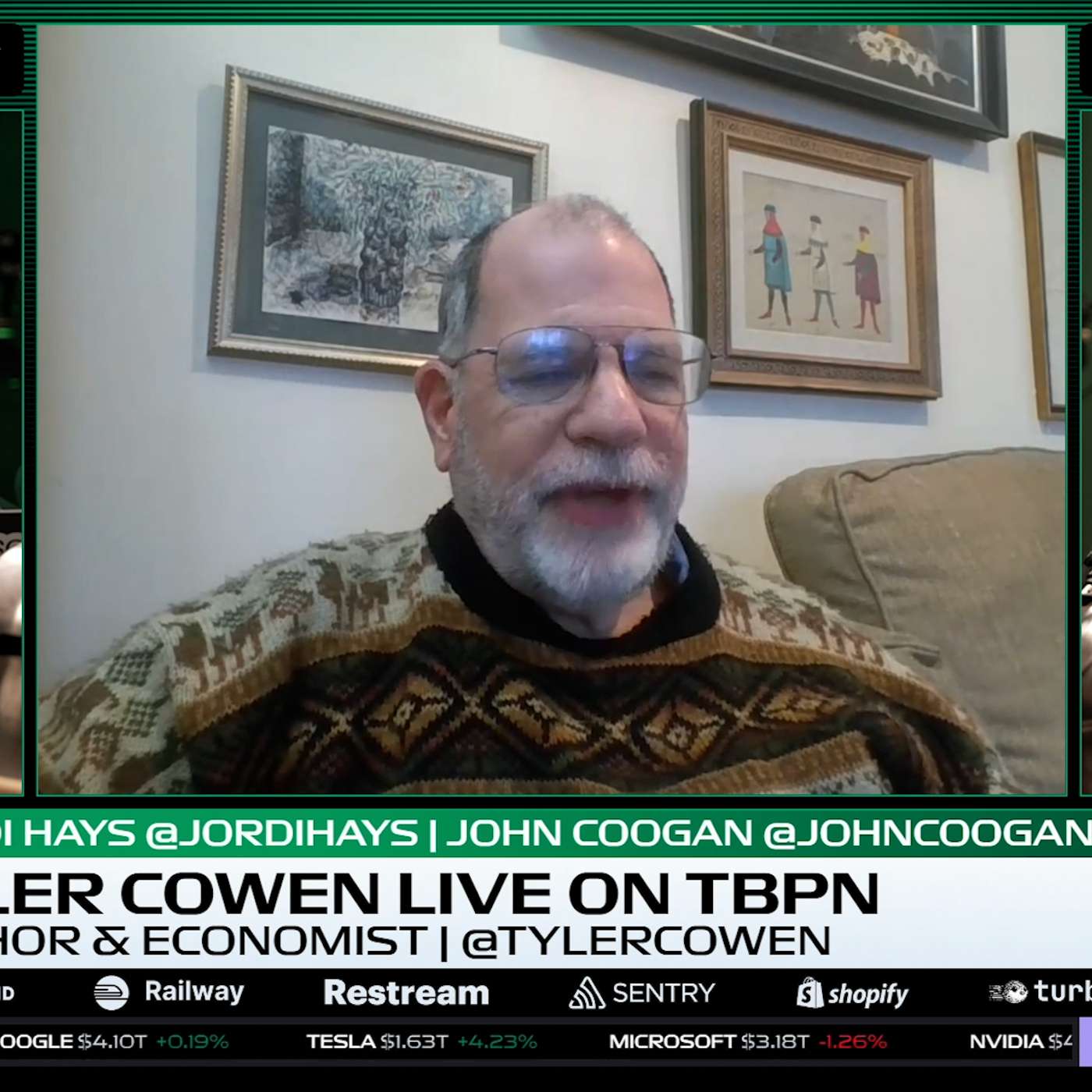
Economist Tyler Cowen predicts that as AI makes information ubiquitous and cover letters perfect, value will shift to non-public knowledge, or "secrets." Confidential insights on how networks operate and decisions are made, shared through human relationships, will become critical. A trusted human who can vouch for you will be more important than ever.

AI is commoditizing knowledge by making vast amounts of data accessible. Therefore, the leaders who thrive will not be those with the most data, but those with the most judgment. The key differentiator will be the uniquely human ability to apply wisdom, context, and insight to AI-generated outputs to make effective decisions.

AI will soon surpass most humans at executing policy analysis. The comparative advantage for think tank professionals will shift from analysis to inquiry. Human creativity, curiosity, and the ability to formulate novel 'why' questions will become the most valuable skills, as AI is trained on past data.
