Get your free personalized podcast brief
We scan new podcasts and send you the top 5 insights daily.
The multi-year delay in TikTok's U.S. divestment wasn't just negotiation. It involved the complex technical and logistical challenge of creating a new U.S. entity, migrating data and algorithms to Oracle's oversight, and solving the difficult problem of how to manage content flow with the global version.

Related Insights
Despite a law requiring TikTok's complete separation from its Chinese owner ByteDance, the approved deal maintains deep operational and financial ties. ByteDance retains a board seat and leases its core algorithm for royalties, effectively creating a superficial compliance that fails to address the law's original national security concerns.
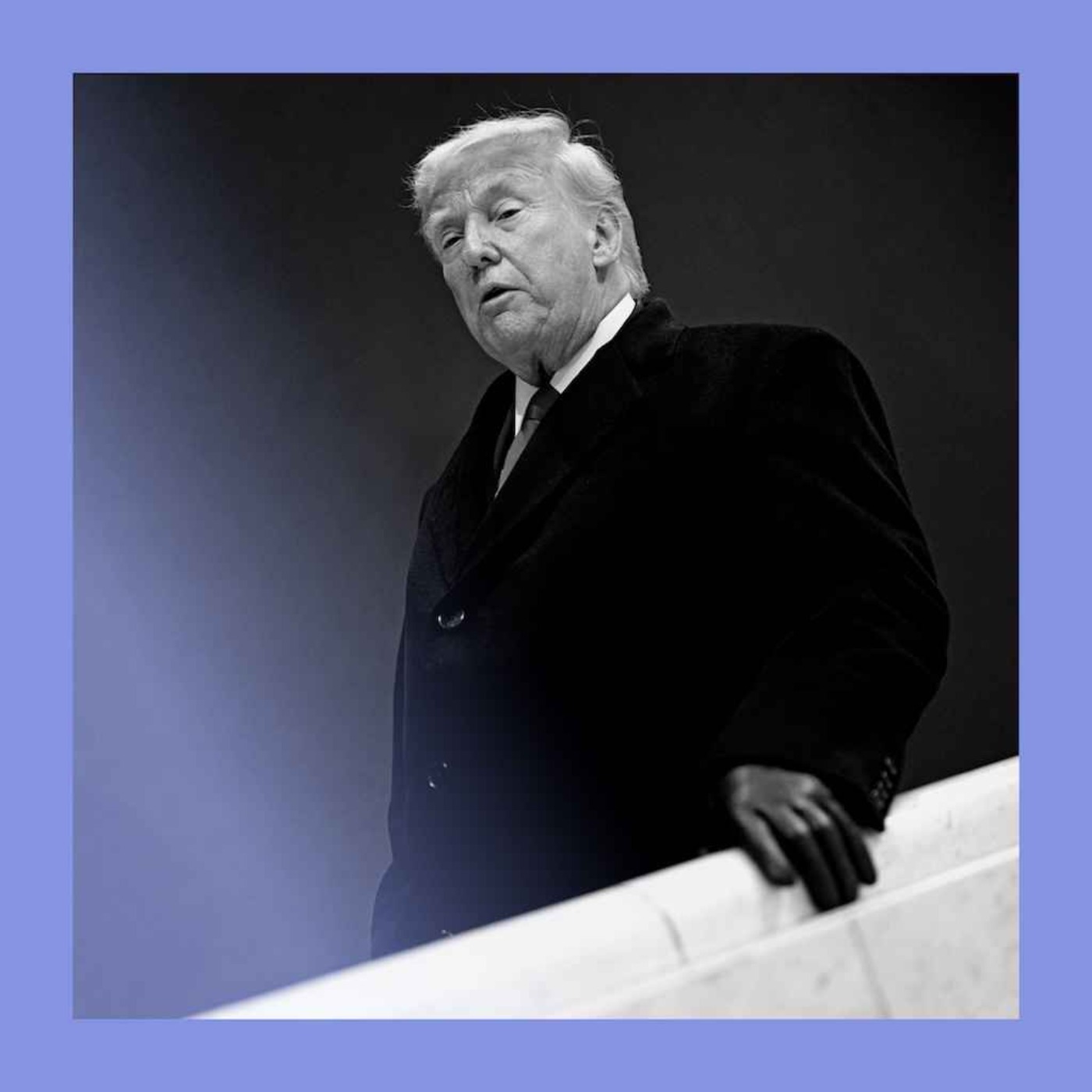
The mandated sale of TikTok's US operations values the company at a fraction of its market worth (~$28B vs. an estimated $120B). This isn't a fair market transaction; it's a politically engineered deal that will hand a massive, near-guaranteed 300-400% return to a select group of connected investors.

A carve-out is not a simple asset transfer but the creation of a new, independent company. This process involves establishing entirely new IT, security, payroll, and benefits systems, which are often deeply entangled with the parent company's infrastructure and require significant time and resources to stand up.

The podcast reveals a key insight into China's geopolitical strategy. Xi Jinping privately dismissed TikTok as "spiritual opium," a low-cost asset he was willing to sacrifice. The sale was not a major loss but an easy concession to secure continued dialogue with the U.S. on more critical issues, reframing the event as a calculated move.

The once-strong political will to force a clean break for TikTok has faded due to the app's massive popularity, lawmaker distraction, and a deal structure that financially benefits political allies. This demonstrates how shifting political priorities and potential self-interest can weaken the enforcement of established national security policies.
Despite a potential US ownership deal, TikTok remains a national security risk because the core algorithm will still be licensed from China. Control over the information flow to Americans is the real issue, not data storage location, making the deal a superficial fix.

The US government's demand for TikTok to store American user data on US servers is identical to the policy China has long required of foreign tech companies. This rule is why platforms like Facebook, which refused to comply, are unavailable in China.

By natively embedding a full suite of AI tools for video generation, editing, and ideation, TikTok is evolving beyond a content distribution platform. It is becoming a self-contained creation engine, reducing creator reliance on third-party apps and positioning itself to challenge YouTube's dominance.

To address national security concerns, the plan for TikTok's U.S. entity involves not just data localization but retraining its content algorithm exclusively on U.S. user data. This novel approach aims to create a firewall against potential foreign manipulation of the content feed, going a step beyond simple data storage solutions.

The forced sale of TikTok to a hand-picked group of political donors at a steep discount is not a genuine national security solution but a form of cronyism. It bypasses a competitive auction, enriches allies, and likely fails to sever the Chinese government's control over the algorithm, achieving the worst of all outcomes.
