Get your free personalized podcast brief
We scan new podcasts and send you the top 5 insights daily.
The push for transparency comes from senior politicians like Marco Rubio on the Senate Intelligence Committee. After seeing classified data, they concluded the long-standing stigma has become a national security liability, preventing the U.S. from winning the technology race.

Related Insights
The 80-year cover-up isn't about preventing public panic but gaining a technological edge. Disclosure is now being considered a strategic necessity to bring the wider U.S. scientific community into a high-stakes race to master non-human technology before adversaries do.
Releasing intelligence, as done before the Ukraine invasion, effectively countered Russian false narratives. However, Burns warns this tool's power is eroding. Its credibility hinges on international trust in U.S. institutions, which is currently in decline.

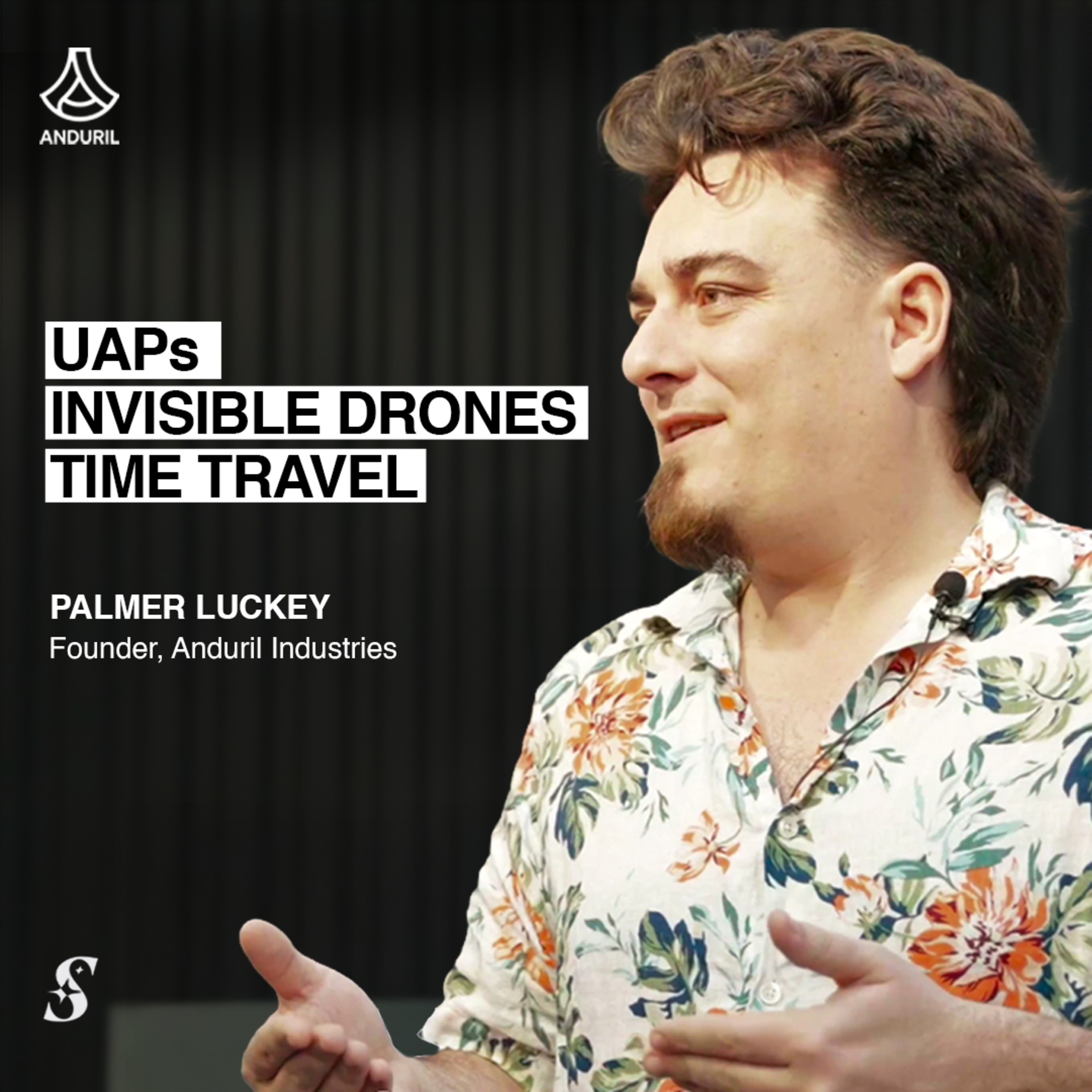
Palmer Luckey states that if UAP technology is real and can be understood, it will obsolete all current defense systems. Therefore, until that breakthrough occurs, military development must proceed on a completely independent track, treating the UAP phenomenon as a separate universe that cannot influence current strategy.
When Obama said UAPs aren't at Area 51, it's seen not as a denial but a technically true statement because they are kept elsewhere. This tactic, a "limited hangout," is interpreted by insiders as acknowledging the program while protecting its secrets from a president kept in the dark.
To protect its secret UAP programs, the U.S. government allegedly created a cultural stigma in the 1940s and 50s. This campaign, which included funding movies depicting aliens as silly, effectively discouraged serious inquiry and ruined the careers of those who spoke up.
UAP activity is disproportionately high over nuclear weapons sites. Recognizing this, intelligence groups have allegedly created "attractive magnets" by concentrating nuclear assets in one location specifically to draw in and study these phenomena.
A senior special forces member claiming involvement in UAP recoveries backed out of a documentary, stating participation would be "forfeiting my life." This highlights the extreme pressure and threats whistleblowers face from the secret "Legacy Program."
The 'government cover-up' around UFOs may not be about aliens, but about hiding top-secret military projects like stealth aircraft. Allowing UFO narratives to flourish is an effective counter-intelligence strategy, as it provides a fantastical explanation for sightings and discredits credible witnesses.

Key information on UAPs is allegedly controlled by a deeply hidden program involving elements of the CIA, Air Force, and Department of Energy, plus major defense contractors. This group can "wait out" presidents and senators, effectively operating with total autonomy.
Attempting to hoard technology like a state secret is counterproductive for the US. The nation's true competitive advantage has always been its open society, which enables broad participation and bottom-up innovation. Competing effectively, especially in AI, means leaning into this openness, not trying to emulate closed, top-down systems.
