Get your free personalized podcast brief
We scan new podcasts and send you the top 5 insights daily.
A model's native power does not automatically translate to effective organizational capability. Migration costs and ecosystem fit are paramount. Factors like existing developer tools (OpenAI vs. Claude APIs), identity controls, and data residency should weigh as heavily as raw performance benchmarks when selecting a flagship model.

Related Insights
The key to AI dominance is shifting from creating powerful models to embedding them within existing enterprise workflows. OpenAI's AWS integration shows that making AI usable through familiar billing, compliance, and security channels is more critical for adoption than raw capability.
The cost of re-validating, QA-ing, and re-training internal apps built on a specific LLM far outweighs potential token savings. Once an application is "dialed in" on a model like Claude Opus, the business has little incentive to switch, creating a durable competitive advantage.

The relevant question for a new model is no longer "should I switch?" but "how does it fit into my architecture?" Advanced users are creating a personal portfolio of models, strategically deploying different AIs based on their specific strengths, costs, and the nature of the task, such as using GPT for interactive work and Fable for long-running tasks.

Performance comes from a "harness" surrounding the AI model, which includes curated data, tools, and rich context. This harness, which can be open and multi-model, is where the hard work lies—prepping the context layer so that a model's plan can execute efficiently.
Debate around Anthropic's Claude Tagg reveals a broader truth: as AI systems become deeply embedded with organizational context and permissions, high switching costs are an unavoidable consequence. This lock-in is not a product flaw but a signal of successful, high-value integration.
The critical new AI skill isn't just using the most powerful model, but discerning when a free, private local model is sufficient versus when an expensive cloud model is necessary. This model-to-task matching instinct separates amateurs from pros by optimizing for cost, speed, and privacy.

When choosing an AI tech stack, prioritize your team's existing skills over the allure of cutting-edge tools. Adopting complex new technologies without relevant expertise can create significant productivity bottlenecks, negating any potential feature advantages and stalling innovation.
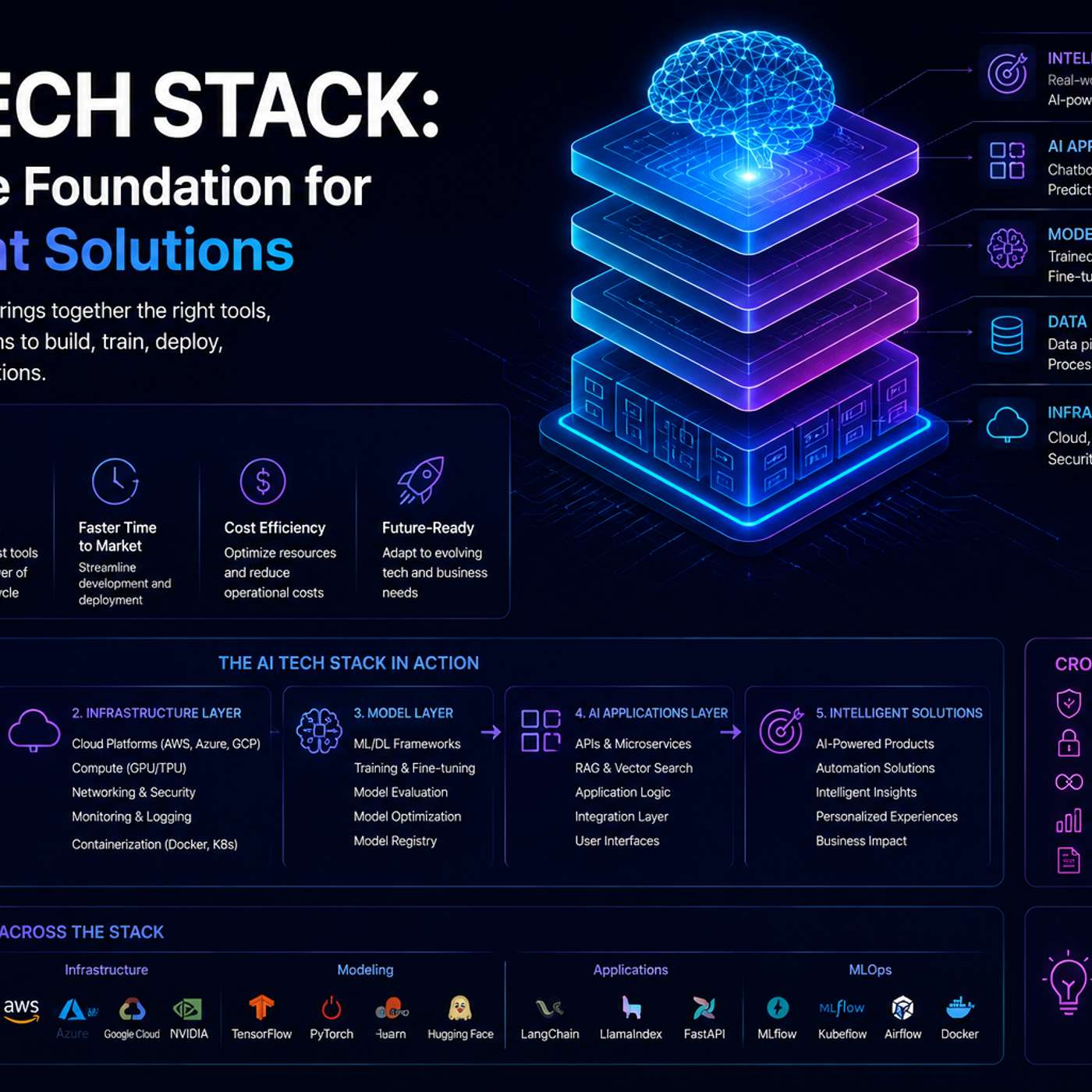
Companies no longer chase the single most powerful AI model. The new standard is creating a sophisticated architecture of multiple models, matching the right tool to the right task based on capability, efficiency, and cost, which allows for greater optimization across the enterprise.
Judging an AI's capability by its base model alone is misleading. Its effectiveness is significantly amplified by surrounding tooling and frameworks, like developer environments. A good tool harness can make a decent model outperform a superior model that lacks such support.

As AI models become commoditized, a slight performance edge isn't a sustainable advantage. The companies that win will be those that build the best systems for implementation, trust, and workflow integration around those models. This robust, trust-based ecosystem becomes the primary competitive moat, not the underlying technology.
