Get your free personalized podcast brief
We scan new podcasts and send you the top 5 insights daily.
The next frontier for visual intelligence is twofold: creating truly multimodal models that retain long-term context of user interactions without re-prompting, and developing real-time generation. Real-time capabilities are crucial for creating duplex interactions and enabling robots to perceive and act instantly.
Related Insights
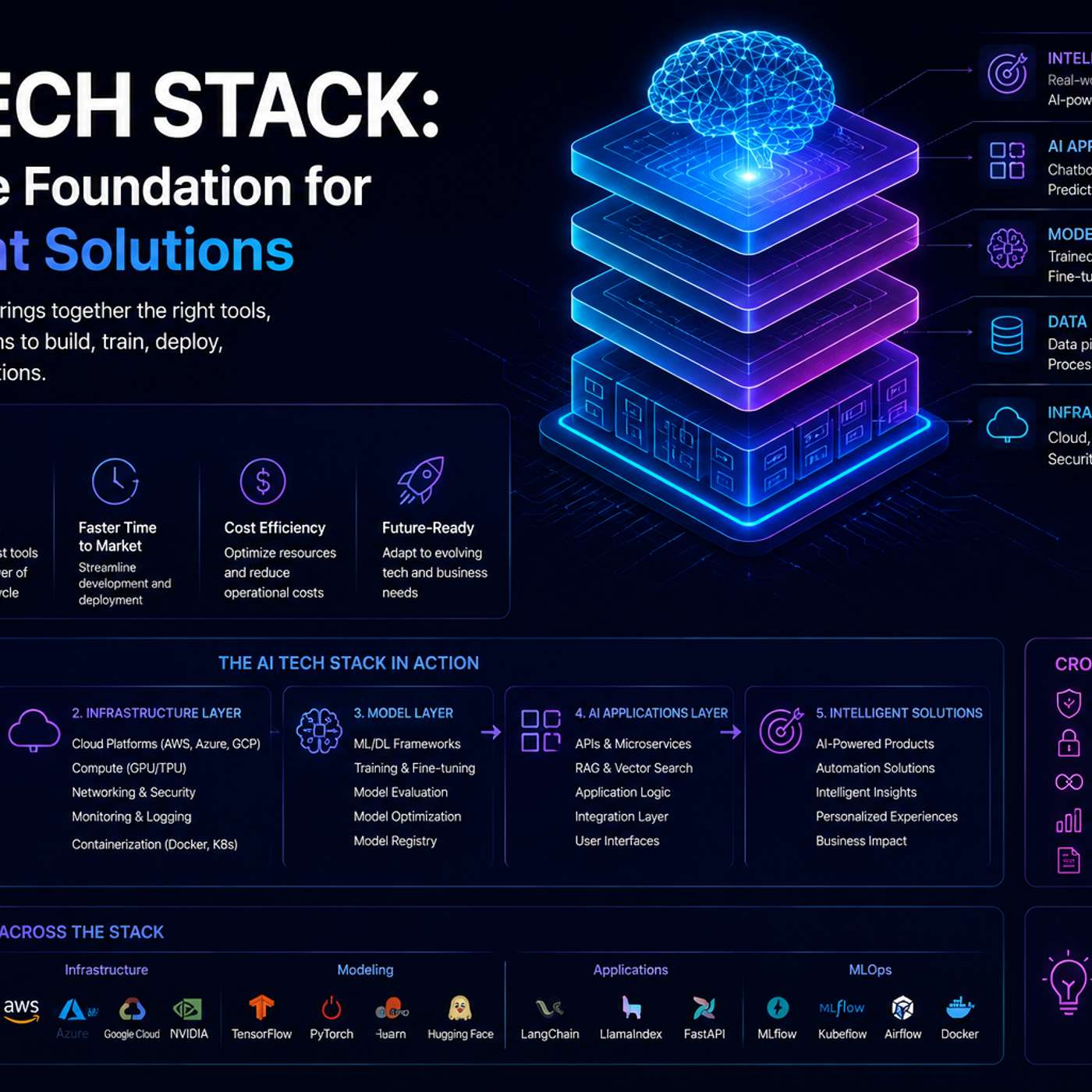
The next significant evolution in AI infrastructure is the shift to multimodal systems. Future tech stacks must move beyond single-modality paradigms (like text-only) to seamlessly handle and integrate text, images, audio, and video within a single, unified architecture.
The future of video isn't just AI-generated clips but a new, interactive media format akin to a video game. Synthesia's CEO envisions personalized, real-time experiences like sales training simulations or conversational movies. This evolution is currently bottlenecked by the high cost and bandwidth of inference, which next-gen infrastructure aims to solve.
The current focus on LLMs is a temporary phase. The true leap towards AGI will come from multi-sensory models that can process and integrate visual, auditory, and other data streams simultaneously, much like a human does. This moves AI from text generation to real-world understanding.

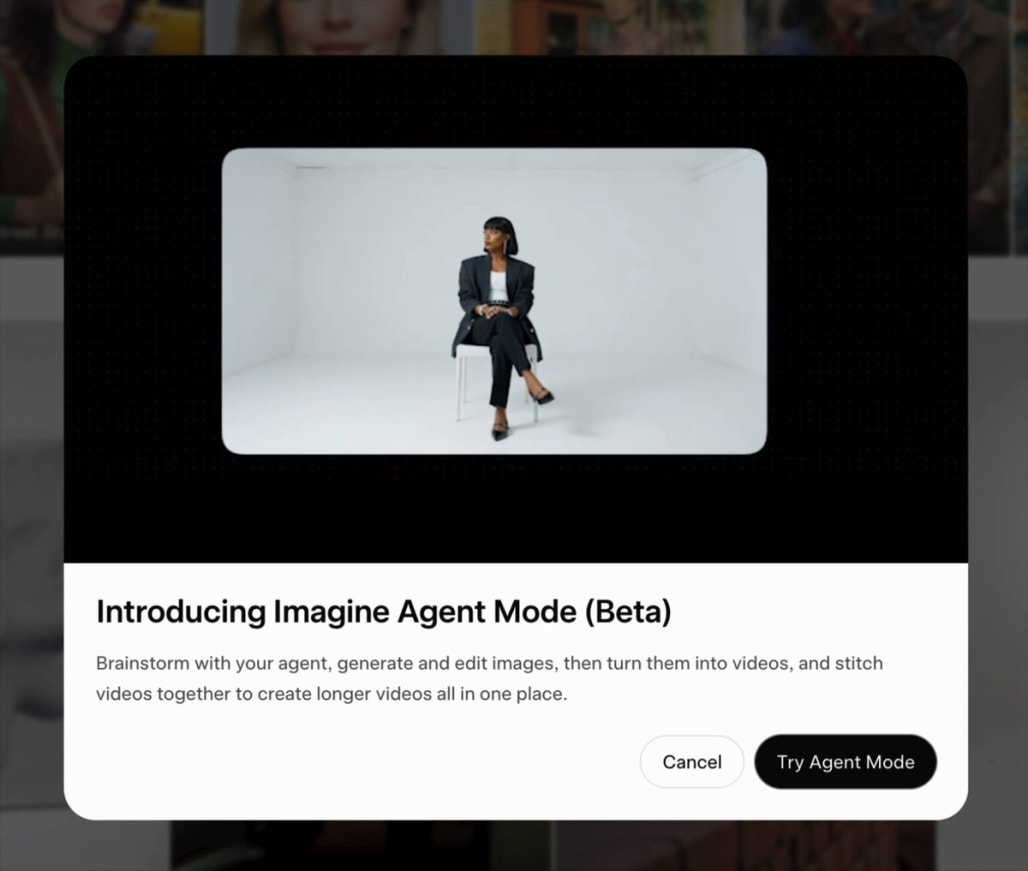
The future of creative AI is moving beyond simple text-to-X prompts. Labs are working to merge text, image, and video models into a single "mega-model" that can accept any combination of inputs (e.g., a video plus text) to generate a complex, edited output, unlocking new paradigms for design.

Today's AI is largely text-based (LLMs). The next phase involves Visual Language Models (VLMs) that interpret and interact with the physical world for robotics and surgery. This transition requires an exponential, 50-1000x increase in compute power, underwriting the long-term AI infrastructure build-out.

A key trend to watch is the rise of Vision-Language-Action (VLA) models, which are critical for robotics. These models take an instruction (language), understand a scene (vision), and then manipulate the environment (action). This represents a new paradigm that combines "read" and "write" access to the physical world, often requiring edge-ready compute.

While language models are becoming incrementally better at conversation, the next significant leap in AI is defined by multimodal understanding and the ability to perform tasks, such as navigating websites. This shift from conversational prowess to agentic action marks the new frontier for a true "step change" in AI capabilities.

Instead of AI writing code that then gets rendered, future interfaces will be generated directly by diffusion models. This "intention-to-pixel" paradigm allows for hyper-personalized, real-time UIs, effectively making the diffusion model the new front-end.
A "world model" transcends simple video generation. It is defined by three key capabilities: real-time responsiveness to user input (e.g., mouse clicks), long-horizon consistency over minutes or hours, and interactivity via multiple modalities like keyboard and voice.
New AI research focuses on "interaction models" that handle real-time, full-duplex audio. This allows an AI to respond even while the user is still speaking—a significant step beyond current turn-based models and closer to the fluid, overlapping nature of natural human conversation.