Get your free personalized podcast brief
We scan new podcasts and send you the top 5 insights daily.
Persistent unpredictability and shifting American defense commitments have created a severe trust deficit between the United States and European allies. Julianne Smith observes that European capitals are now actively seeking to de-risk from Washington rather than expecting a return to normal. Rebuilding that trust will take many years across future administrations, because treaty allies will no longer assume Washington's leadership or security guarantees can be switched back on automatically.

Related Insights
Trump's re-election shatters the perception that his first term was an aberration. Allies now see his brand of foreign policy as a persistent feature of the American political landscape. Any future US administration, even a traditional one, will face deep skepticism as partners anticipate the pendulum could swing back.
Europe is treating its relationship with the U.S. as an irreversible investment decision under uncertainty. Leaders must choose between waiting for a return to the old transatlantic alliance or committing massive capital to build independent security and economic systems.

The current strain in the transatlantic relationship has evolved beyond policy disputes, like the 2003 Iraq War, into a political crisis. Actions regarding Ukraine and Greenland are perceived as a "U.S. betrayal," shattering the foundational trust that once held the alliance together and making recovery far more difficult.
Due to perceived US instability, traditional allies in Europe and Canada are proactively diversifying their partnerships. They are creating alternative trade and security networks (e.g., EU-India, Canada-EU) to reduce their dependence on the United States.

Guy Ward-Jackson notes a critical shift in transatlantic relations. European policy discussions are increasingly centered on building sovereign capabilities to reduce dependence on the United States, not just China. This erosion of trust complicates US efforts to build economic resilience through alliances.

Allies like Europe and Latin America no longer trust the US as a stable partner, forcing them to build their own defense and trade systems independent of America. This loss of trust creates a long-term economic threat that a single 'reasonable' election cannot easily reverse.

Even though President Trump backed down on tariffs over Greenland, the episode permanently eroded European trust in the U.S. as a reliable NATO partner. The erratic nature of the dispute raised serious questions about American dependability on more critical issues like Ukraine, suggesting long-term damage to the alliance.
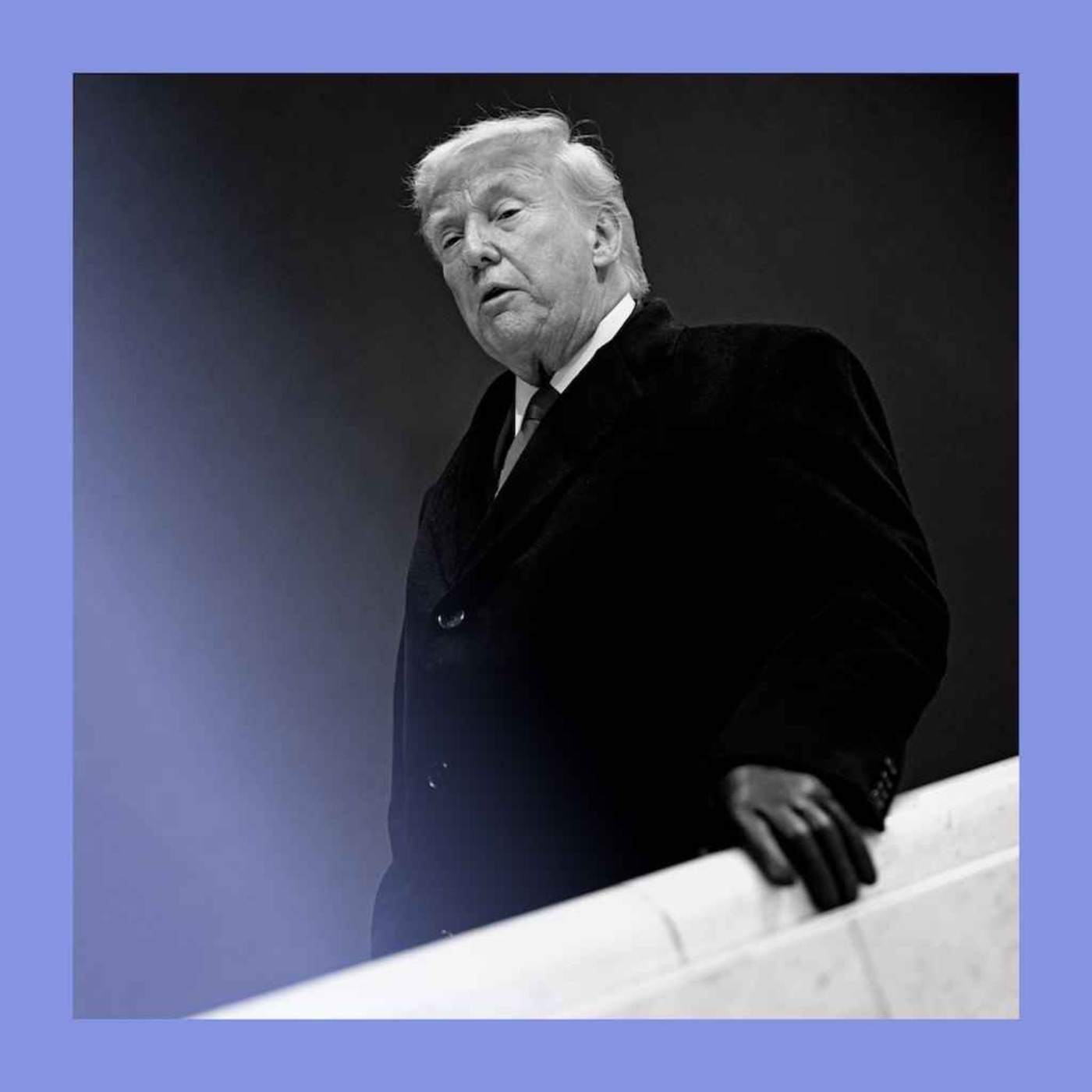
The administration's aggressive, unilateral actions are pushing European nations toward strategic autonomy rather than cooperation. This alienates key partners and fundamentally undermines the 'Allied Scale' strategy of building a collective economic bloc to counter adversaries like China.

European nations funded generous social programs by relying on American military protection for decades. With the US becoming an unreliable ally, they face a political breaking point: dismantle their popular social contract to fund their own defense, or submit to Russian pressure.
The US withdrawal from the JCPOA and other actions have taught the world that American commitments are unreliable. Both adversaries and allies must now operate under the game-theory assumption that the U.S. will eventually defect from any agreement, forcing them to hedge and fundamentally altering global diplomacy.
