Get your free personalized podcast brief
We scan new podcasts and send you the top 5 insights daily.
Citadel moved beyond its reputation as a brutal "gulag" by strategically showcasing founder Ken Griffin's expertise on broad topics like policy and economics. This positioned him as a public intellectual, creating an aspirational brand halo that reframed the firm's intensity as a byproduct of excellence.

Related Insights
The financial impact of a high-profile leader is not always positive. While Elon Musk's persona adds a significant, unquantifiable premium to SpaceX's valuation, James Dolan's reputation creates a quantifiable 'Dolan Discount' for MSG Sports, proving a founder's brand can both inflate and suppress a company's market value.

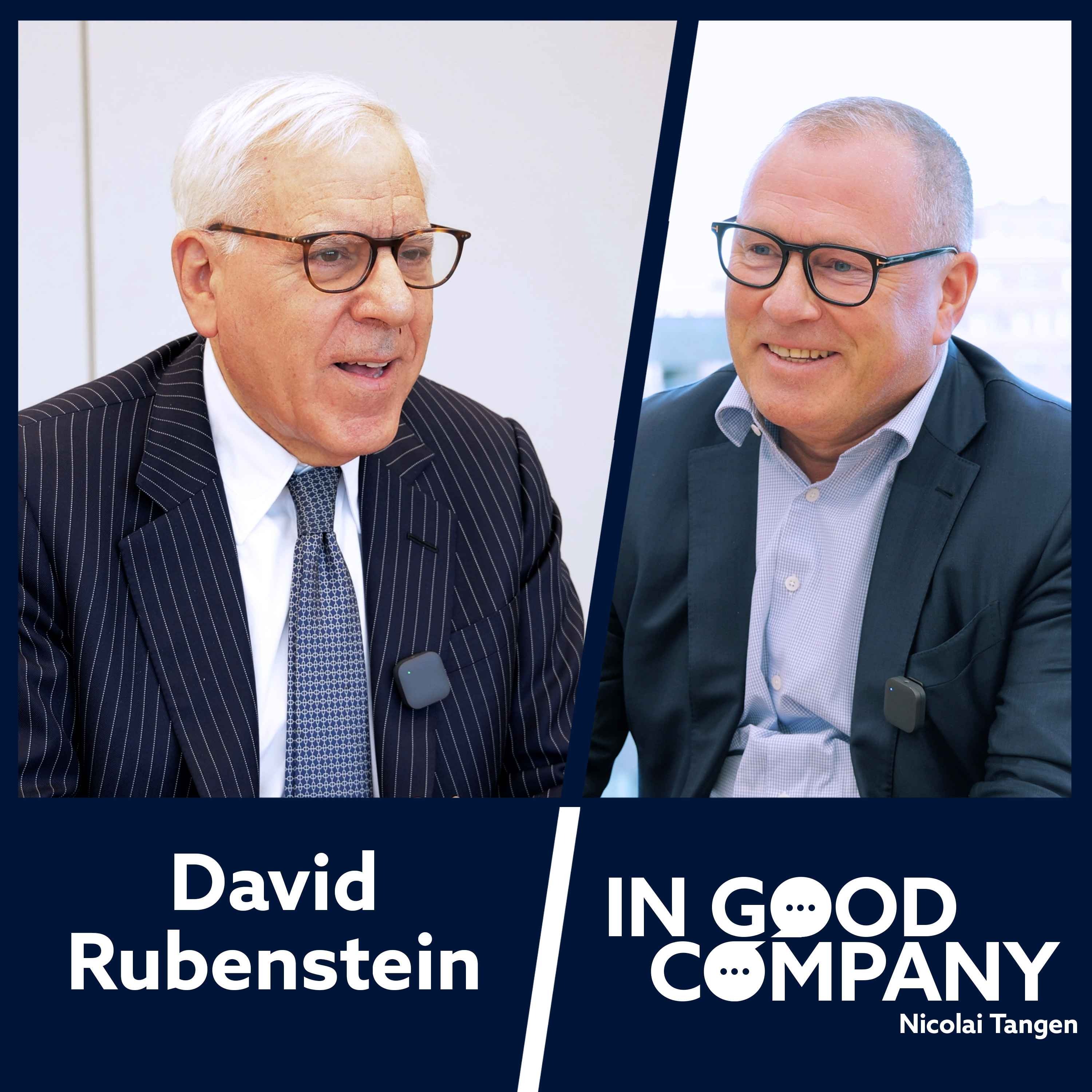
Despite building one of the world's largest private equity firms over 40 years, David Rubenstein finds he is now more recognized for his TV interviews. This reveals that in the modern era, a strong media presence can create a more powerful and widespread personal brand than a long and distinguished traditional business career.
Bill Ackman's hedge fund IPO pioneers a model where a financier's personal brand is a primary asset. By highlighting his 2 million X followers and provocative tweets in the IPO paperwork, he positions his influence as a key driver of value, blurring the lines between a fund manager and a media influencer.
Before 2008, financial firms dismissed proactive branding. The crisis and resulting reputation damage (like Goldman Sachs' "vampire squid" label) created a paradigm shift, forcing the industry to invest in offensive brand-building to survive and regain trust.
By consistently buying the assets of collapsing funds, Citadel has become the trusted partner for prime brokers needing to offload risky portfolios. This creates a rare but highly lucrative opportunity to acquire billions in assets at steep discounts during financial crises.

Ogle emphasizes that working for one of the nine "bulge bracket" investment banks provides an immediate brand halo. This prestige makes attracting top-tier clientele significantly easier, as the brand itself serves as a powerful signal of trust and capability in the market.

To convince ROI-focused founders of branding's value, present it as a direct driver of three core business functions: attracting top talent, winning competitive deals, and making capital raising more efficient. This reframes branding from a cost to a strategic advantage.
Zuckerberg consistently hires well-regarded figures (Sheryl Sandberg, Nick Clegg) to be the public face of Meta's controversies. These executives serve as 'heat shields,' taking reputational damage in exchange for immense wealth, while he focuses on product.

Citadel strategically steps in during crises like the Amaranth and Situational Awareness collapses to acquire distressed assets. This builds a brand as the go-to partner for banks needing to offload risk, creating immense goodwill and profitable opportunities, much like Warren Buffett did in past crises.
An investor can be long a company while deeply distrusting the CEO's personal ethics. The bet is that the founder's aggressive, boundary-pushing nature, once tempered by regulatory reality checks, becomes a powerful business advantage.
