Get your free personalized podcast brief
We scan new podcasts and send you the top 5 insights daily.
Bill Ackman's hedge fund IPO pioneers a model where a financier's personal brand is a primary asset. By highlighting his 2 million X followers and provocative tweets in the IPO paperwork, he positions his influence as a key driver of value, blurring the lines between a fund manager and a media influencer.

Related Insights
In a world of abundant capital, the ability to command attention for portfolio companies is the key differentiator for VCs. This creates a new competitive dynamic between traditional firms building media arms and influencers moving into venture.

Altman’s prominent role as the face of OpenAI products despite his 0% ownership stake highlights a shift where control over narrative and access to capital is more valuable than direct ownership. This “modern mercantilism” values influence and power over traditional cap table percentages.

In a crowded venture landscape, a VC's most significant value-add can be their distribution. For example, a single LinkedIn post from Harry Stebbings about a portfolio company generated $4 million in revenue for them. This demonstrates how a VC's audience can provide tangible, immediate value far beyond advice or capital.
The business battleground has shifted to attention, which is no longer controlled by corporations with large advertising budgets. Individuals can now capture massive audiences through social media and deploy that attention across ventures, creating enterprise-level value.

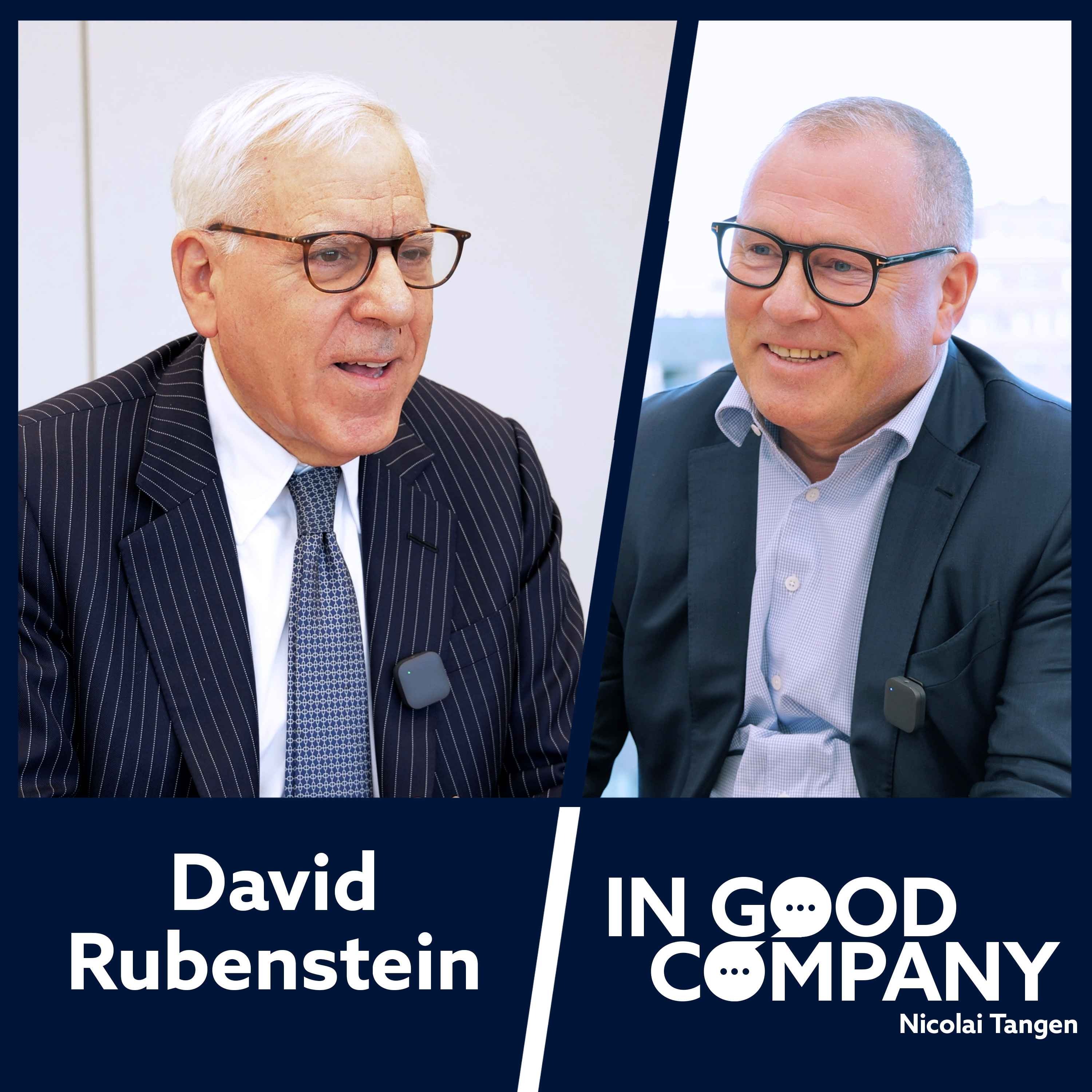
Despite building one of the world's largest private equity firms over 40 years, David Rubenstein finds he is now more recognized for his TV interviews. This reveals that in the modern era, a strong media presence can create a more powerful and widespread personal brand than a long and distinguished traditional business career.
The current media landscape allows a single personality to build a multi-million dollar business empire. This 'Individual Empire' leverages a personal brand to launch diverse ventures like CPG products (Logan Paul's Prime), media companies, and major IP, representing the final chapter of the creator economy.
Hedge funds like Janna Partners team up with celebrities like Travis Kelsey not just for capital, but to sway public opinion and influence other shareholders. These campaigns function like political elections where celebrity endorsements can tip the scales, transforming a financial story into a cultural one.

The marketing playbook has shifted from promoting products to promoting the personality behind them (e.g., Tesla is Elon Musk). A company without a founder or CEO who can act as a public "character" struggles to gain traction, as corporate messaging accounts are no longer effective in a noisy media environment.

SpaceX's massive IPO valuation far exceeds traditional sum-of-the-parts analysis. The difference is the 'Elon Premium,' a belief in his ability to deliver extraordinary results. This highlights how a founder's personal brand and force of will can create value independent of financial metrics.
For celebrities, the most effective path to massive wealth isn't always starting their own company. A more strategic approach is to identify a promising brand and exchange social capital for a significant equity stake, as Roger Federer did with On. This leverages influence without the operational burden of building a business from scratch.
