Get your free personalized podcast brief
We scan new podcasts and send you the top 5 insights daily.
A near-fatal business crisis, while painful, offers a rare chance to rebuild. Founder Sarah LaFleur views surviving COVID-driven store closures and layoffs as an opportunity to implement lessons learned and build a more resilient company the second time around.

Related Insights
Deciding to abandon a profitable product for a nascent one was difficult. The COVID-19 pandemic forced the decision by killing the old product's sales pipeline while accelerating demand for the new one's remote access capabilities, making the pivot clear and necessary overnight.

FanDuel CEO Amy Howe's experience managing Ticketmaster through COVID, where revenue dropped to zero, gave her a unique comfort with ambiguity. This resilience became a key asset for leading a high-growth, volatile company like FanDuel.

When COVID-19 shut down their events business, Campaigns & Elections avoided temporary solutions like webinars. Instead, they focused on building a durable membership model that would thrive after live events returned. This ensured they emerged from the crisis with a larger, more diversified business.

Using the story of a closed factory, Hamdi Ulukaya illustrates that what initially appears to be a devastating event can become a catalyst for unprecedented positive change. This leadership mindset reframes challenges not as setbacks to be endured, but as chances to rebuild stronger.
For years, Sonya Lee's founder was financially supported by her husband, stuck on a "hamster wheel" of just sustaining her studio. The emotional and financial strain became untenable, creating a one-year "pressure cooker" ultimatum. This crisis forced a complete business re-evaluation that she had avoided for years, ultimately leading to success.

Many brands retreat to safety during turmoil. However, a true existential crisis can be a unique opportunity, forcing teams to abandon failing playbooks and embrace the unorthodox, high-risk creative ideas that would otherwise be rejected by the system.

During COVID-19, 2U Laundry's delivery service struggled while its physical laundromats thrived as essential businesses. This crisis-induced data revealed the laundromat was the "unlock for everything." It forced a pivot to franchising, which solved capital and scaling constraints, leading to immense growth.

Founder Sean Nelson reframes Chapter 11 bankruptcy not as a failure, but as an invaluable, real-world education. It provided a raw understanding of contracts, leases, and high-stakes decision-making that is impossible to learn academically. This crucible experience ultimately made him a more resilient and knowledgeable leader.

Prosperity breeds complacency, leading businesses to overspend and expand into non-core areas. This dilutes focus and creates vulnerabilities. In contrast, bad times force the discipline and process improvements that build resilient companies, exposing what's missing in the operation.

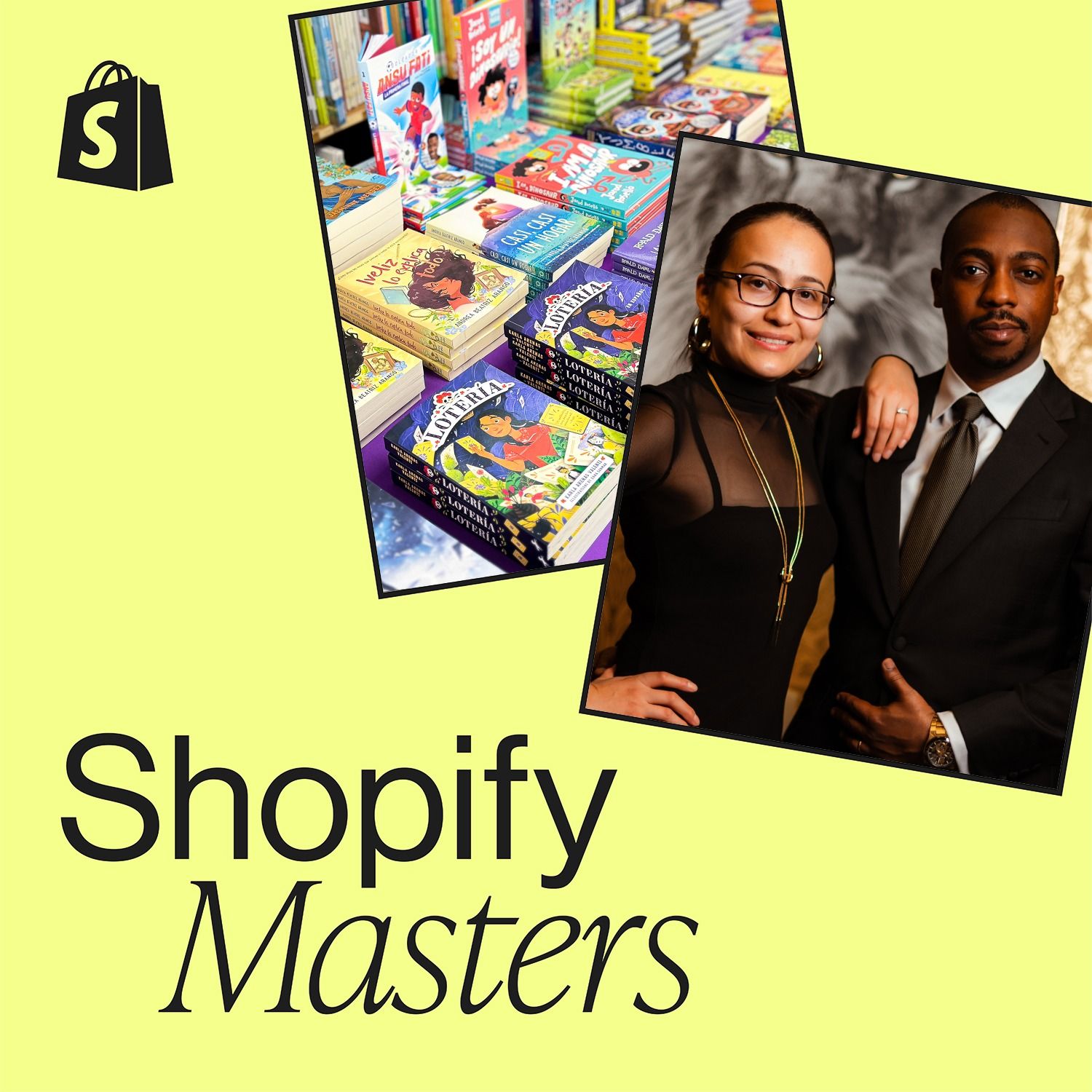
When Miha Books' operations broke—from an overflowing garage to a warehouse too small for their orders—the co-founder celebrated. He views these breaking points not as failures, but as positive indicators of growth. Each 'break' is simply the next problem to solve on the path to scaling the company.