Get your free personalized podcast brief
We scan new podcasts and send you the top 5 insights daily.
Founder Sean Nelson reframes Chapter 11 bankruptcy not as a failure, but as an invaluable, real-world education. It provided a raw understanding of contracts, leases, and high-stakes decision-making that is impossible to learn academically. This crucible experience ultimately made him a more resilient and knowledgeable leader.

Related Insights
Early ventures that failed weren't seen as setbacks but as low-cost learning opportunities. This perspective, framed by his grandfather's high-risk business, eliminated fear and built foundational skills with minimal downside, making eventual success more likely.

The best time to launch a company is at the bottom of a recession. Key inputs like talent and real estate are cheap, which enforces extreme financial discipline. If a business can survive this environment, it emerges as a lean, resilient "fighting machine" perfectly positioned to capture upside when the market recovers.
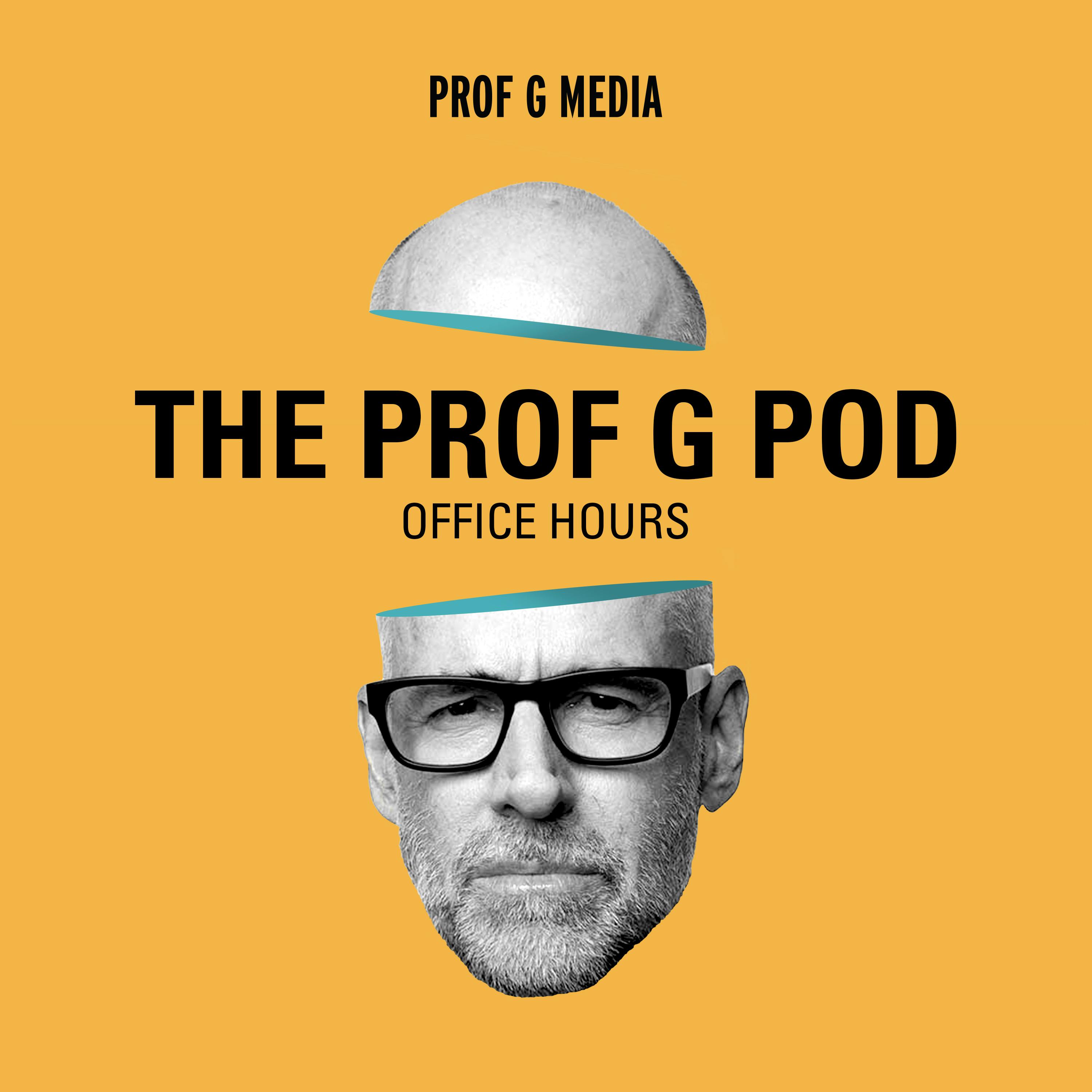
Co-founding Scour with Travis Kalanick taught Jason Droege that business has no fixed playbook. From wild VC negotiations to legal battles, he learned that if you can imagine a path and align incentives, you can negotiate your way through almost any obstacle.
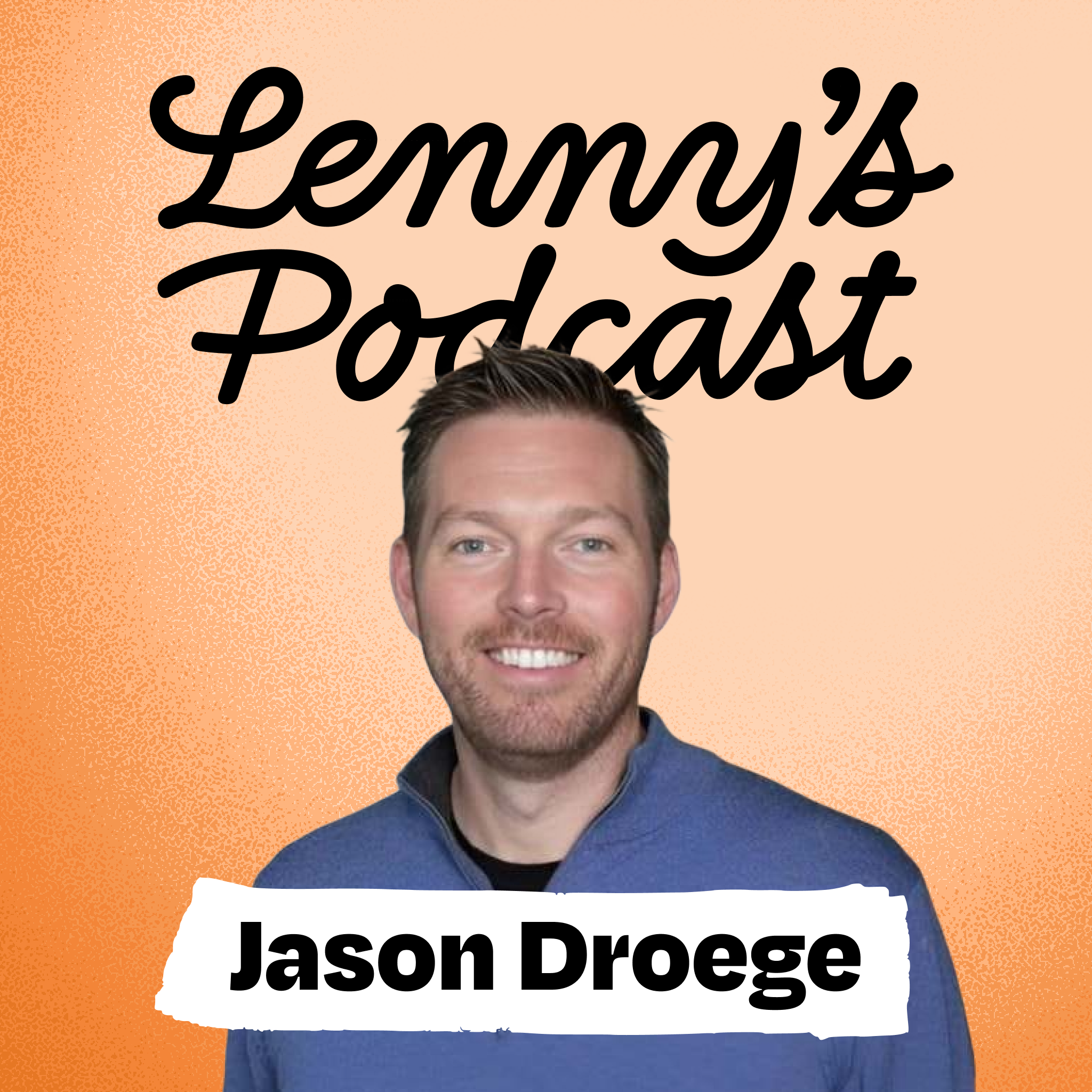
Early ventures into legally ambiguous or "get rich quick" schemes can be an effective, albeit risky, training ground. This "gray hat phase" forces rapid learning in sales, marketing, and operations, providing valuable lessons that inform more legitimate, scalable businesses later on.

Sonder's bankruptcy wasn't due to its core idea of a standardized home rental, which was sound. The failure stemmed from raising too much venture capital ($680M), which created immense pressure for hyper-growth. This forced the company to sign unprofitable leases, proving a good business can be destroyed by the wrong funding model and unrealistic expectations.

Entrepreneurs often view early mistakes as regrettable detours to be avoided. The proper framing is to see them as necessary, unskippable steps in development. Every fumble, pivot, and moment of uncertainty is essential preparation for what's next, transforming regret into an appreciation for the journey itself.

When rebuilding ZICO, the founder realized his first mistake was a relentless focus on speed. His new approach prioritizes building to last, embracing his own leadership limitations by delegating, and fostering a culture of emotional transparency to create a more resilient business.

Thumbtack's "Google death penalty"—being completely de-indexed—was a crisis that could have killed the company. Co-founder Jonathan Swanson reframes this intense period as a favorite experience because it forged team unity and resilience, proving that existential threats can become powerful, positive catalysts.

The founder hired an experienced CEO and then rotated through leadership roles in different departments (brand, product, tech). This created a self-designed, high-stakes apprenticeship, allowing him to learn every facet of the business from experts before confidently retaking the CEO role.
The most driven entrepreneurs are often fueled by foundational traumas. Understanding a founder's past struggles—losing family wealth or social slights—provides deep insight into their intensity, work ethic, and resilience. It's a powerful, empathetic tool for diligence beyond the balance sheet.
![Martín Escobari - Inside General Atlantic - [Invest Like the Best, EP.449] thumbnail](https://megaphone.imgix.net/podcasts/90e6e3e6-c984-11f0-ae5f-27bb851bdc56/image/608fac468f77cb3014e96336896d96de.jpg?ixlib=rails-4.3.1&max-w=3000&max-h=3000&fit=crop&auto=format,compress)