Get your free personalized podcast brief
We scan new podcasts and send you the top 5 insights daily.
Countering the "AI replaces jobs" narrative, ElevenLabs built a marketplace for voice actors to clone and license their authenticated voices. This creator economy model provides a new, scalable income source for talent, with the company having paid out over $22 million to its community.

Related Insights
ElevenLabs' defense against giants isn't just a better text-to-speech model. Their strategy focuses on building deep, workflow-specific platforms for agents and creatives. This includes features like CRM integrations and collaboration tools, creating a sticky application layer that a foundational model alone cannot replicate.
A16Z's Justine Moore observes that in the nascent AI creator economy, the most reliable monetization strategy isn't ad revenue or brand deals. Instead, creators are finding success by teaching others how to use the complex new tools, selling courses and prompt guides to a massive audience eager to learn the craft.

AI tools like music generator Suno are achieving massive revenue not by replacing professionals, but by creating a new market. They empower non-musicians and non-developers to create, acting as an additive and incremental force. This suggests the initial impact of creative AI is market expansion rather than job substitution.

While the internet is filling with low-quality AI content, a significant opportunity exists for AI-native media companies focused on creating high-quality, niche content. By using AI avatars and voice generation thoughtfully, creators can build massive, engaged audiences and then effectively monetize them.

Voice AI company Eleven Labs is bringing back Stan Lee's voice in a partnership with Marvel. This follows the licensing of Val Kilmer's voice, establishing a new commercial model where the estates of iconic figures can license their digital likeness for new projects, raising both creative and ethical questions.

YodelFi helps creators monetize their content by providing followers an AI that speaks in the creator's voice and is grounded in their content library. Instead of just an operational tool, their model positions the AI agent as an additional revenue stream, often bundled into existing paid tiers for fans.

Business owners and experts uncomfortable with content creation can now scale their presence. By cloning their voice (e.g., with 11labs) and pairing it with an AI video avatar (e.g., with HeyGen), they can produce high volumes of expert content without stepping in front of a camera, removing a major adoption barrier.

Publishers are enthusiastic about marketplaces from AWS and Microsoft because they offer a path to usage-based revenue. This model is seen as more sustainable than the current one-off, flat-fee licensing deals with AI companies, potentially replicating the scalable monetization of digital advertising.

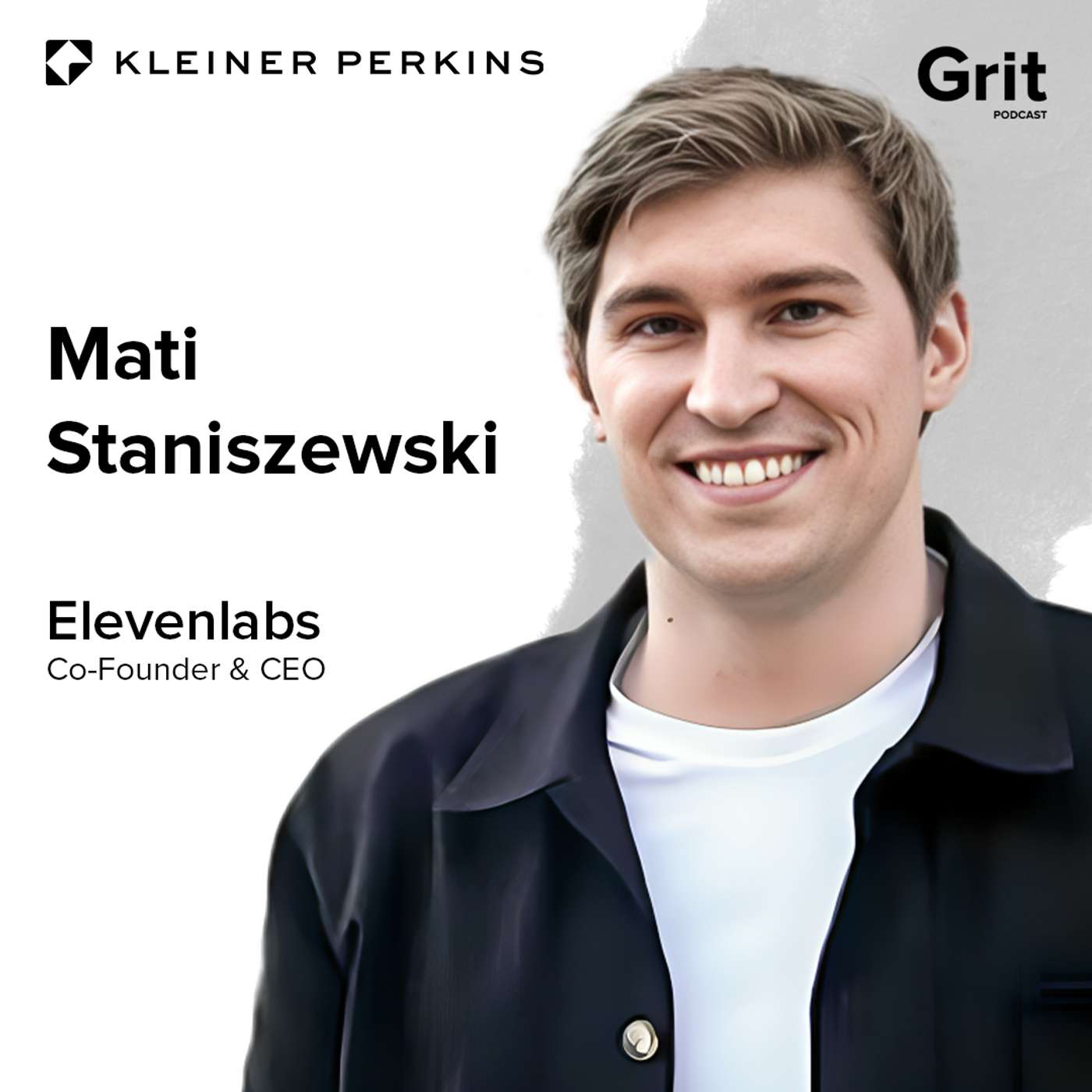
CEO Mati Staniszewski co-founded ElevenLabs after being frustrated by the Polish practice of dubbing foreign films with a single, monotonous voice. This hyper-specific, personal pain point became the catalyst for building a leading AI voice company, proving that massive opportunities can hide in niche problems.
To solve the problem that enterprise customers don't know how to choose a "good" voice, ElevenLabs created the role of a "voice sommelier." This expert voice coach works with clients to find the right voice for their brand and use case, effectively productizing the subjective process of voice selection and turning it into a sales asset.
