Get your free personalized podcast brief
We scan new podcasts and send you the top 5 insights daily.
It's cognitively impossible to actively listen, formulate follow-up questions, and take detailed notes simultaneously. The ideal interview setup involves a lead interviewer focused on the conversation and a second person whose sole responsibility is taking meticulous notes.

Related Insights
Asking "what" or "how" questions can create cognitive load. Instead, use labels like "It seems like..." or "It sounds like..." to make an observation. This prompts the other person to elaborate and reveal information without feeling interrogated.

Use the maxim, "How someone does anything tells you how they do everything." Assess a candidate's preparation for the interview itself. Their research, note-taking, and follow-up are direct predictors of their future diligence and performance in the role.

When a prospect shares multiple important points in a long monologue, jot down single-word reminders on a note card. This allows you to stay focused on the current topic while ensuring you can strategically circle back to other "golden nuggets" later without forgetting them or derailing the conversation.

Citing Oprah Winfrey, Rubenstein argues the key to great interviewing is not having the best questions but being a great listener. True listening allows the interviewer to pivot and follow up on unexpected answers, turning a rigid Q&A into a genuine conversation that uncovers far deeper insights than a prepared script ever could.
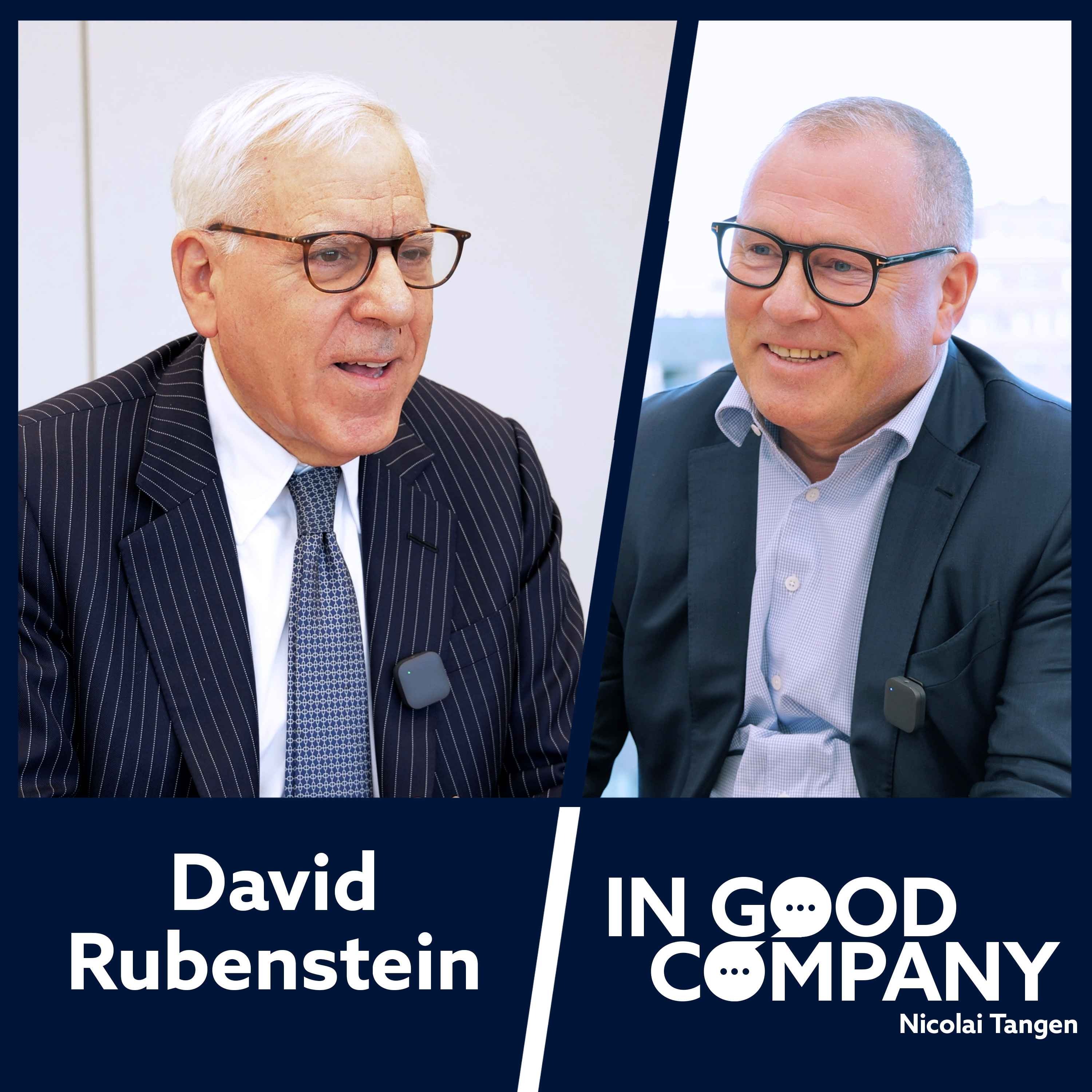
An interviewer's goal is to learn, not to talk. By dominating the conversation, as when the interviewer's question was twice as long as the answer, nothing is learned. A good rule of thumb is to limit your own speaking time to 10-15% to maximize information gathering.

To improve candidate experience and evaluation quality, Formation Bio structures its interview process by assigning distinct key competencies to each interviewer. This ensures every conversation is unique and valuable, preventing the common problem of candidates repeating the same stories to different team members.

Typing during a customer meeting diverts critical mental energy, causing reps to miss key verbal and non-verbal cues. Forcing pen-and-paper (or equivalent) note-taking keeps reps fully present and engaged, preventing them from being 'taken out of the play' for a split second.

Ineffective interviews try to catch candidates failing. A better approach models a collaborative rally: see how they handle challenging questions and if they can return the ball effectively. The goal is to simulate real-world problem-solving, not just grill them under pressure.

Having all decision-makers interview a candidate simultaneously ensures everyone hears the same answers in the same context. This structure allows for immediate, data-driven calibration if assessments differ, an advantage impossible to achieve with sequential, separate conversations.

An effective interview follows a structured arc. Begin with 'softball' questions about strategy or culture to get management excited and comfortable. Save the most contentious or difficult questions for later in the meeting, after you have established trust and rapport.