Get your free personalized podcast brief
We scan new podcasts and send you the top 5 insights daily.
Bozoma Saint John argues that modern audiences expect corporate leaders to have and express a point of view on important issues. Avoiding a stance to prevent risk is no longer an option. Taking a stand and dealing with potential backlash is now an integral part of an executive's job.
Related Insights
Today's leaders are expected to manage employee emotions and take public stances on social issues, roles for which their traditional training did not prepare them. This requires a new skillset centered on empathy and public communication to build trust with a skeptical younger workforce.
Lawyers are paid to minimize legal risk. A CEO's unique role is to balance that counsel against other crucial factors like customer trust, employee morale, and future opportunities. Ceding decision-making entirely to the legal team is a failure of leadership that can lead to catastrophic, albeit less immediately visible, losses.

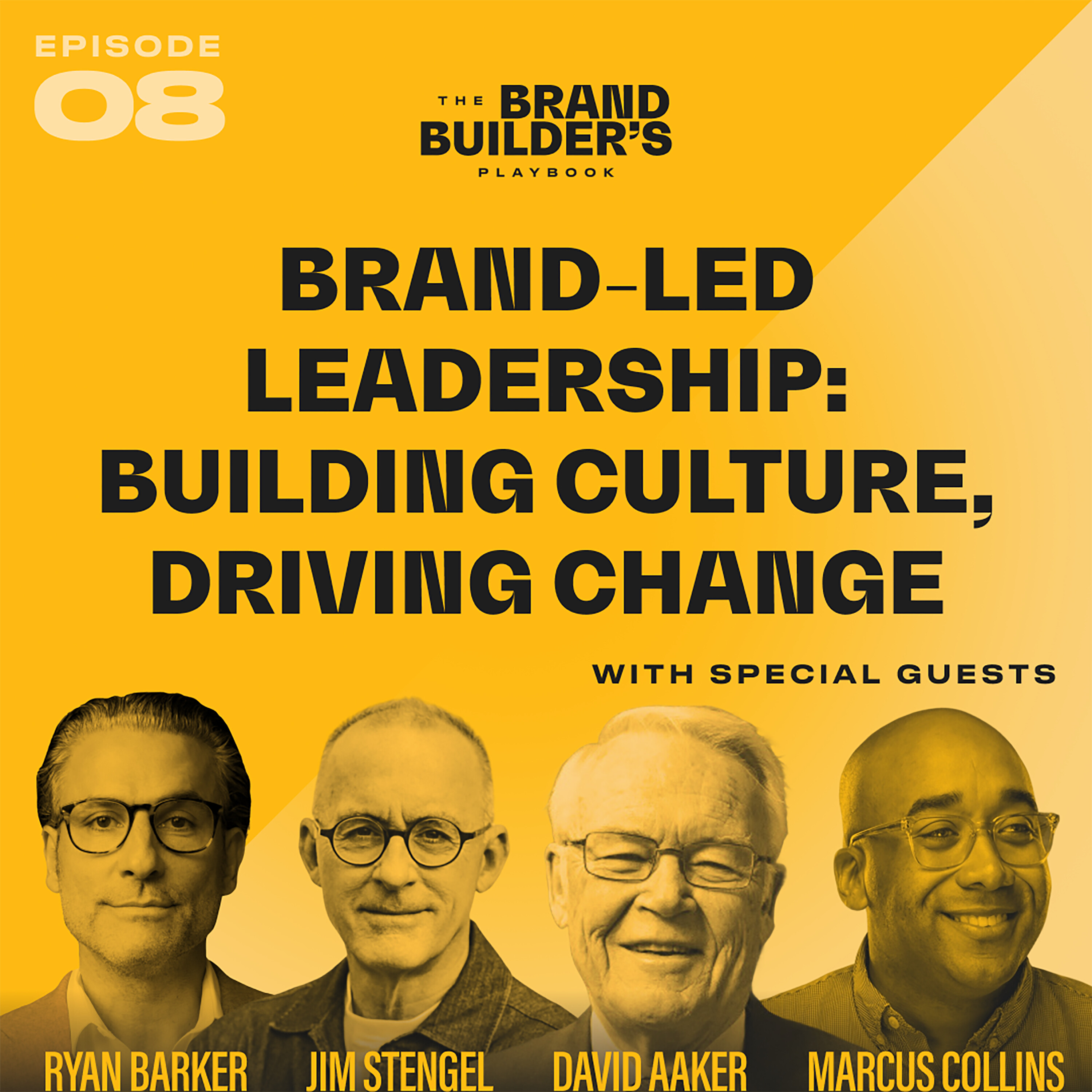
Marketing professor Marcus Collins argues that the true test of brand leadership isn't crafting a purpose statement, but adhering to it when faced with challenges or pressure on shareholder value. Many leaders evangelize their brand's point of view only when convenient, which ultimately undermines authenticity.
To stand out, marketers must take a sharp point of view. Autodesk's CMO advises creating "healthy tension" by opining on topics core to the brand's credibility. This avoids "toxic tension" from speaking on irrelevant issues, which leads to damaging blowback. Without tension, there is no greatness.
Stakeholders demand courageous leadership but foster a culture of intolerance. By failing to distinguish between major offenses and minor infractions and "canceling" leaders for mistakes, the public itself disincentivizes the very courage and authenticity it seeks, creating a paralyzing circular problem.
In just five years, the corporate environment has swung from encouraging open discussion on social issues like race to fearing it. This "whipsaw" is driven by ideological extremes on both sides, making it difficult for leaders to find a rational middle ground for authentic engagement.
If a decision has universal agreement, a leader isn't adding value because the group would have reached that conclusion anyway. True leadership is demonstrated when you make a difficult, unpopular choice that others would not, guiding the organization through necessary but painful steps.

When Bud Light faced backlash for a partnership, the CEO's vague statement failed to support its partner. This attempt to play it safe backfired, alienating not only the original critics but also the community it intended to support, proving a non-committal stance is often the most damaging.

With societal and political issues increasingly entering the workplace, the most critical leadership skills have shifted. Mars' CEO argues that empathy—to listen and connect with employees on a human level—and self-awareness—to navigate sensitive topics without personal bias—are now paramount for maintaining a civil and productive corporate culture.
The pursuit of consensus is a dangerous trap for leaders aiming for standout success. Achieving breakthroughs requires the strength to proceed based on intellectual conviction, even amidst friction and criticism. This means accepting that you cannot please everyone and that some will inevitably disagree with your path.
![Luca Ferrari - Building Bending Spoons - [Invest Like the Best, EP.446] thumbnail](https://megaphone.imgix.net/podcasts/b29cbd80-b93a-11f0-a1b7-2b977c9469a2/image/39f7864ea628f71a81b94662bd4a86df.jpg?ixlib=rails-4.3.1&max-w=3000&max-h=3000&fit=crop&auto=format,compress)