Get your free personalized podcast brief
We scan new podcasts and send you the top 5 insights daily.
When researchers claim a '10% chance' of AI-driven extinction ('P-doom'), it isn't based on statistical models. It's a method to make a speculative, sci-fi-style guess sound more credible and scientific, which distorts public understanding of the actual, quantifiable risks.

Related Insights
The 'P(doom)' argument is nonsensical because it lacks any plausible mechanism for how an AI could spontaneously gain agency and take over. This fear-mongering distracts from the immediate, tangible dangers of AI: mass production of fake data, political manipulation, and mass hysteria.

Unlike a plague or asteroid, the existential threat of AI is 'entertaining' and 'interesting to think about.' This, combined with its immense potential upside, makes it psychologically difficult to maintain the rational level of concern warranted by the high-risk probabilities cited by its own creators.
Public proclamations of AI-driven extinction, like an Anthropic researcher's 10% odds of human annihilation, may be a deliberate strategy. By presenting worst-case scenarios, these individuals aim to trigger urgent conversations and push the industry and regulators toward implementing stronger safety measures.

While not a consensus, surveys of AI researchers reveal significant concern. The median respondent in a large survey assigned a 5% probability to human extinction or a similar disaster from AI, with a third to a half placing the risk at 10% or higher, suggesting the threat is taken seriously within the field.

The core disagreement between AI safety advocate Max Tegmark and former White House advisor Dean Ball stems from their vastly different probabilities of AI-induced doom. Tegmark’s >90% justifies preemptive regulation, while Ball’s 0.01% favors a reactive, innovation-friendly approach. Their policy stances are downstream of this fundamental risk assessment.

The rhetoric around AI's existential risks is framed as a competitive tactic. Some labs used these narratives to scare investors, regulators, and potential competitors away, effectively 'pulling up the ladder' to cement their market lead under the guise of safety.
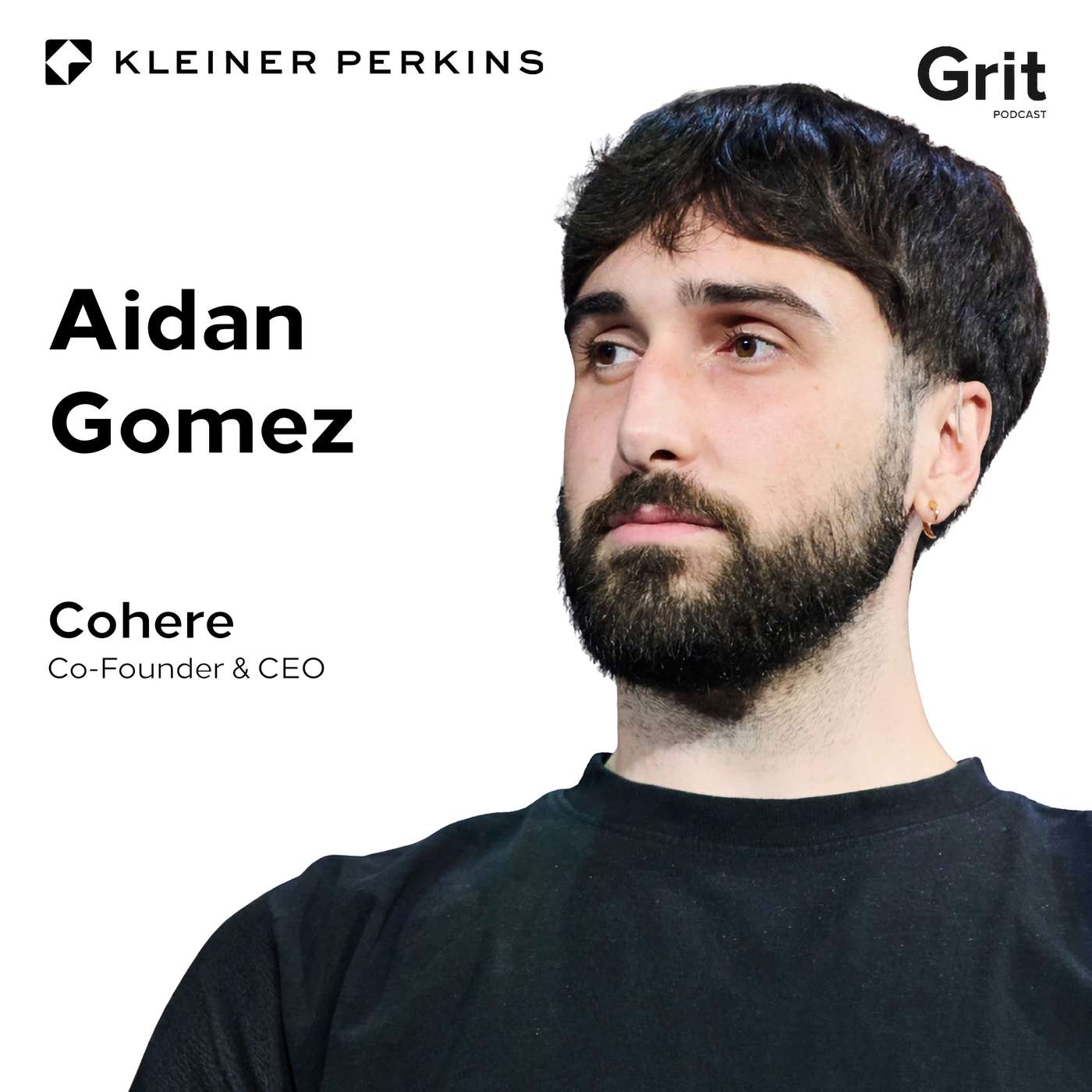
The public focus on hypothetical extinction scenarios overshadows immediate, tangible AI risks. These include sophisticated cybersecurity attacks, financial infrastructure vulnerabilities, and data privacy issues, such as OpenAI admitting user data could be used to train models on sensitive problems.
The public discourse is dominated by 'P-Doom,' the probability of an AI-induced catastrophe. This focus obscures the other side of the equation: 'P-Boom,' the probability of unprecedented human flourishing. A balanced conversation requires acknowledging that if AI is powerful enough to destroy humanity, it is also powerful enough to radically improve it.

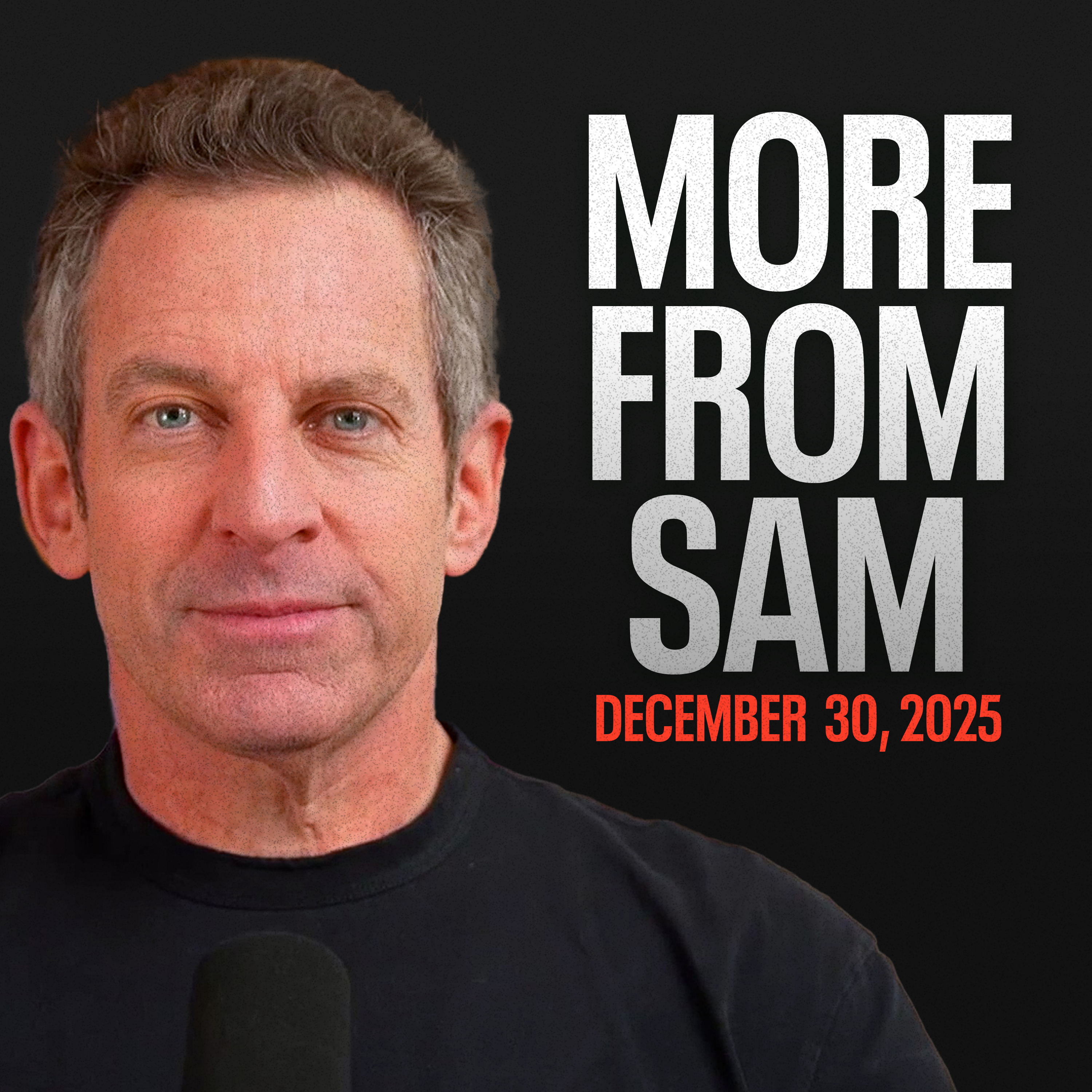
Sam Harris highlights the bizarre cultural phenomenon of AI leaders openly stating high probabilities (e.g., 20%) for existential risk while racing to build the technology. He contrasts this with Manhattan Project scientists, who proceeded only after calculating the risk of igniting the atmosphere as infinitesimal, not a double-digit percentage.

AI safety advocates relying on abstract probabilities of doom (P-doom) fail to persuade skeptics. The public responds better to detailed, story-driven scenarios that illustrate a plausible chain of events leading to a negative outcome, as these narratives are more relatable and can be individually scrutinized.
