Get your free personalized podcast brief
We scan new podcasts and send you the top 5 insights daily.
The core disagreement between AI safety advocate Max Tegmark and former White House advisor Dean Ball stems from their vastly different probabilities of AI-induced doom. Tegmark’s >90% justifies preemptive regulation, while Ball’s 0.01% favors a reactive, innovation-friendly approach. Their policy stances are downstream of this fundamental risk assessment.

Related Insights
The common analogy of AI to electricity is dangerously rosy. AI is more like fire: a transformative tool that, if mismanaged or weaponized, can spread uncontrollably with devastating consequences. This mental model better prepares us for AI's inherent risks and accelerating power.

A key, informal safety layer against AI doom is the institutional self-preservation of the developers themselves. It's argued that labs like OpenAI or Google would not knowingly release a model they believed posed a genuine threat of overthrowing the government, opting instead to halt deployment and alert authorities.
The emphasis on long-term, unprovable risks like AI superintelligence is a strategic diversion. It shifts regulatory and safety efforts away from addressing tangible, immediate problems like model inaccuracy and security vulnerabilities, effectively resulting in a lack of meaningful oversight today.
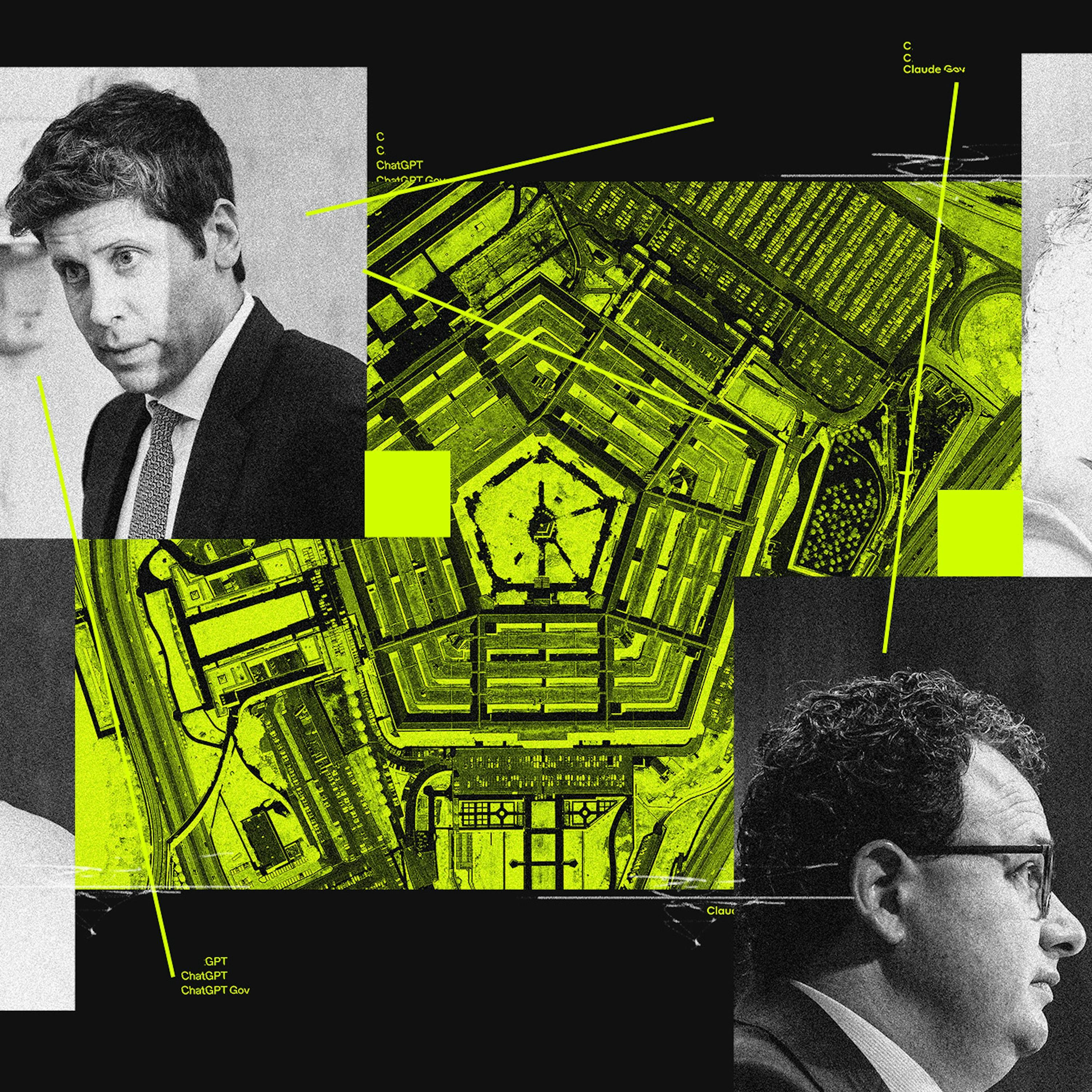
Many top AI CEOs openly admit the extinction-level risks of their work, with some estimating a 25% chance. However, they feel powerless to stop the race. If a CEO paused for safety, investors would simply replace them with someone willing to push forward, creating a systemic trap where everyone sees the danger but no one can afford to hit the brakes.

Instead of trying to legally define and ban 'superintelligence,' a more practical approach is to prohibit specific, catastrophic outcomes like overthrowing the government. This shifts the burden of proof to AI developers, forcing them to demonstrate their systems cannot cause these predefined harms, sidestepping definitional debates.
The rhetoric around AI's existential risks is framed as a competitive tactic. Some labs used these narratives to scare investors, regulators, and potential competitors away, effectively 'pulling up the ladder' to cement their market lead under the guise of safety.
A fundamental tension within OpenAI's board was the catch-22 of safety. While some advocated for slowing down, others argued that being too cautious would allow a less scrupulous competitor to achieve AGI first, creating an even greater safety risk for humanity. This paradox fueled internal conflict and justified a rapid development pace.

Drawing from the nuclear energy insurance model, the private market cannot effectively insure against massive AI tail risks. A better model involves the government capping liability (e.g., above $15B), creating a backstop that allows a private insurance market to flourish and provide crucial governance for more common risks.

An anonymous CEO of a leading AI company told Stuart Russell that a massive disaster is the *best* possible outcome. They believe it is the only event shocking enough to force governments to finally implement meaningful safety regulations, which they currently refuse to do despite private warnings.
The AI safety community fears losing control of AI. However, achieving perfect control of a superintelligence is equally dangerous. It grants godlike power to flawed, unwise humans. A perfectly obedient super-tool serving a fallible master is just as catastrophic as a rogue agent.
