Get your free personalized podcast brief
We scan new podcasts and send you the top 5 insights daily.
Seat-based and token-based pricing for AI are intermediate steps. The ultimate model is outcome-based, where customers pay for specific value delivered—like a successful investment idea or a completed report. This perfectly aligns vendor cost with customer value, bypassing debates over token consumption ROI.
![Gabe Stengel - Building Investing Superintelligence - [Invest Like the Best, EP.492] thumbnail](https://megaphone.imgix.net/podcasts/ef669774-cccd-11ed-889b-c36caad6646f/image/158efdddfb983d2678b3530d484e8aa2.jpg?ixlib=rails-4.3.1&max-w=3000&max-h=3000&fit=crop&auto=format,compress)
Related Insights
As AI moves from being a simple tool to an autonomous agent, pricing models are evolving. Companies like Sierra, chaired by OpenAI's Brett Taylor, advocate for outcome-based pricing, which charges for delivered results (e.g., a completed report) rather than the underlying token consumption.

Budgeting for AI is difficult because the utility-based, per-token pricing model is not viable or scalable for business departments like marketing and sales. This system is a temporary phase; expect AI providers to shift toward more predictable, outcome-based pricing models as the technology matures.
AI enables a fundamental shift in business models away from selling access (per seat) or usage (per token) towards selling results. For example, customer support AI will be priced per resolved ticket. This outcome-based model will become the standard as AI's capabilities for completing specific, measurable tasks improve.

Wade Foster argues that fixed, seat-based pricing is dying because it doesn't align with the variable nature of AI-driven work. He sees the market splitting into two models: usage-based for commodity-like AI services and outcome-based for enterprise tools that deliver a clear, measurable result (e.g., "price per resolved ticket").

In categories like customer support, where AI can handle the vast majority of queries, charging per human agent ('per seat') no longer makes sense. The business model is shifting to be outcome-based, where customers pay for the value delivered, such as per ticket resolved or per successful interaction.

The dominant per-user-per-month SaaS business model is becoming obsolete for AI-native companies. The new standard is consumption or outcome-based pricing. Customers will pay for the specific task an AI completes or the value it generates, not for a seat license, fundamentally changing how software is sold.
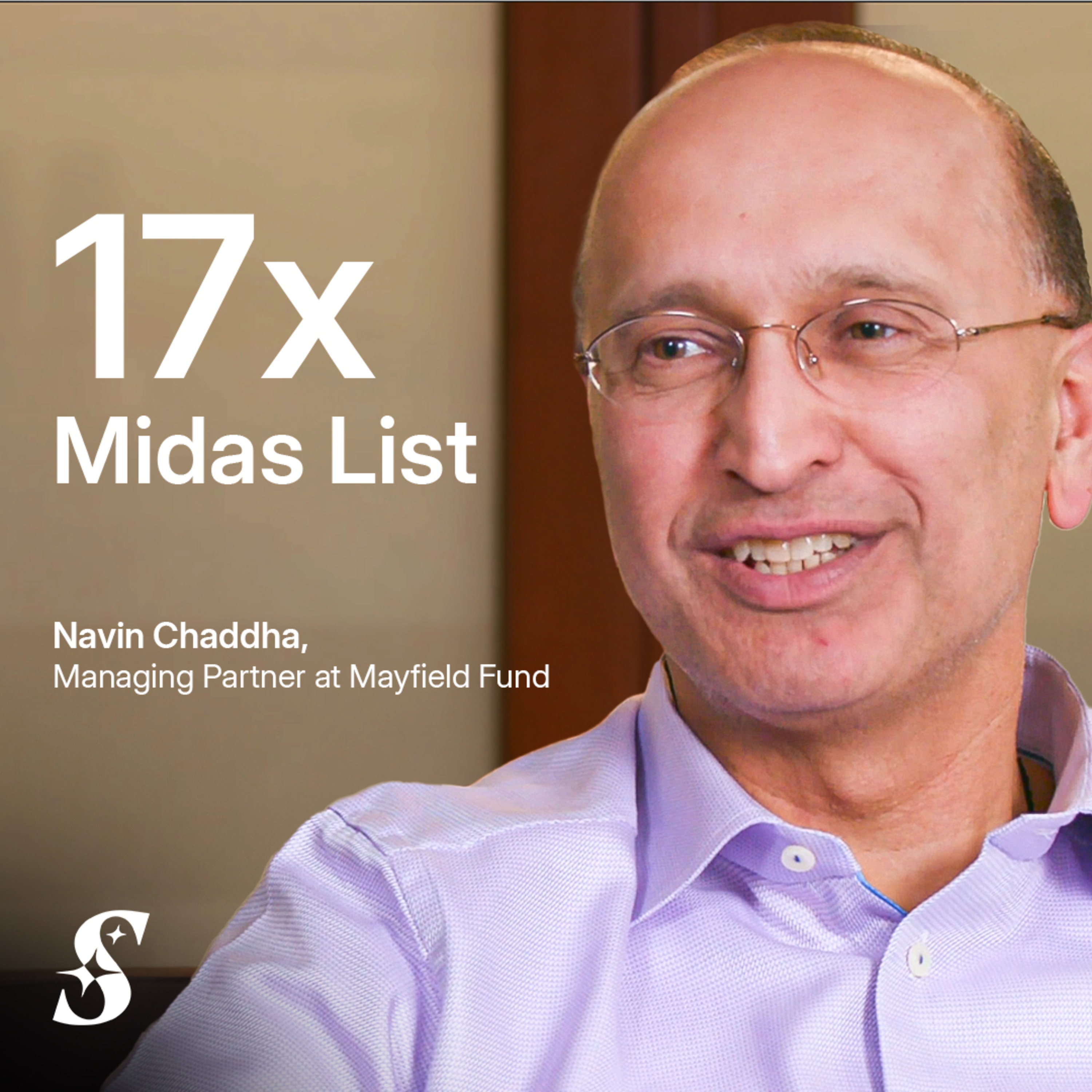
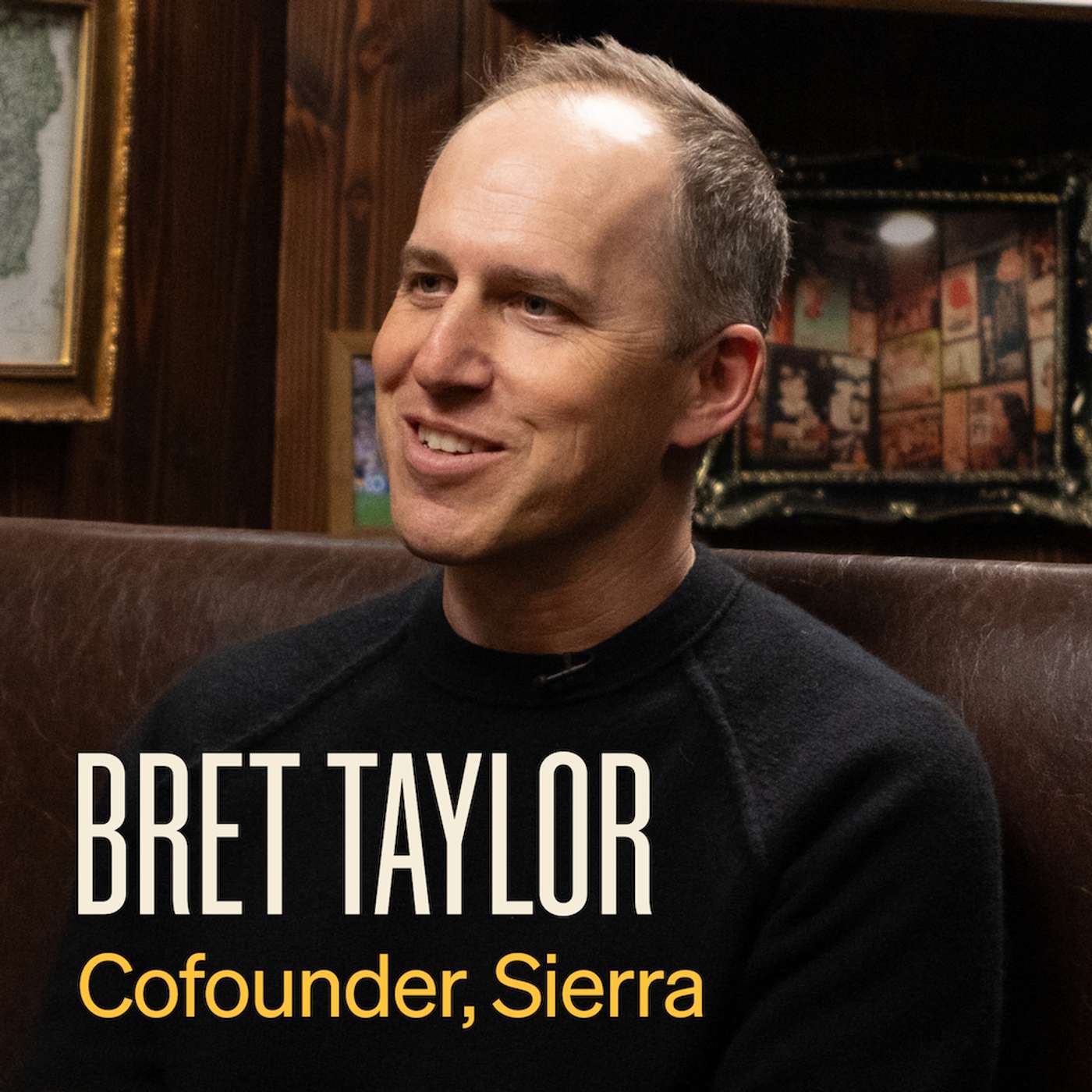
Bret Taylor of Sierra argues outcome-based pricing (charging for a resolved case) is superior to usage-based pricing (charging for tokens). It aligns vendor and customer interests by tying cost directly to business value, not resource consumption. This forces the vendor to improve product effectiveness, not just optimize for usage.
The next major business model shift in software is from seat-based pricing to outcome-based pricing (e.g., paying per task completed). This favors AI-native newcomers, as incumbents will struggle to adapt their GTM and financial models.

OpenAI is reportedly exploring outcome-based pricing, where customers are charged only if an AI successfully completes a task. This model shifts from a commodity-like 'cost per 1000 tokens' (CPM) to a value-aligned 'cost per successful action' (CPA), better aligning incentives.

In the age of AI, software is shifting from a tool that assists humans to an agent that completes tasks. The pricing model should reflect this. Instead of a subscription for access (a license), charge for the value created when the AI successfully achieves a business outcome.
