Get your free personalized podcast brief
We scan new podcasts and send you the top 5 insights daily.
Early in her career, Dolly Parton rejected Elvis Presley's request to cover "I Will Always Love You" because his team demanded 50% of the publishing rights. This decision to retain full ownership of her intellectual property, while difficult at the time, ultimately earned her millions.

Related Insights
While generative AI introduces novel complexities, the fundamental conflict over artist compensation is not new. Historical examples, like musicians' families suing record labels over royalties, show these battles predate AI. AI's use of training data without permission has simply become the latest, most complex iteration of this long-standing issue.
After discovering his royalty-free music license was invalid for his TV deal, Jefferson Graham began creating his own music with his brother. This approach eliminates complex licensing issues, prevents future claims, and gives his show a unique, ownable sound, turning a production problem into a brand asset.

While creators are obsessed with owning their intellectual property, Carter provides a pragmatic counterpoint. He emphasizes that ownership shifts the entire risk burden—including funding, growth capital, and monetization strategy—onto the creator, a significant challenge often overlooked in the rush for control.

During his company's acquisition, Brian Dean's biggest due diligence headache was proving intellectual property ownership by tracking down every past contractor, even for $10 jobs. Acquirers demand this, making meticulous, upfront IP assignment contracts with all freelancers essential.

The company's relentless focus on owning and controlling its intellectual property stems directly from Walt Disney's early failure. He lost the rights to his first hit character, Oswald, in a contract dispute, a formative trauma that shaped Disney's business strategy for the next century.
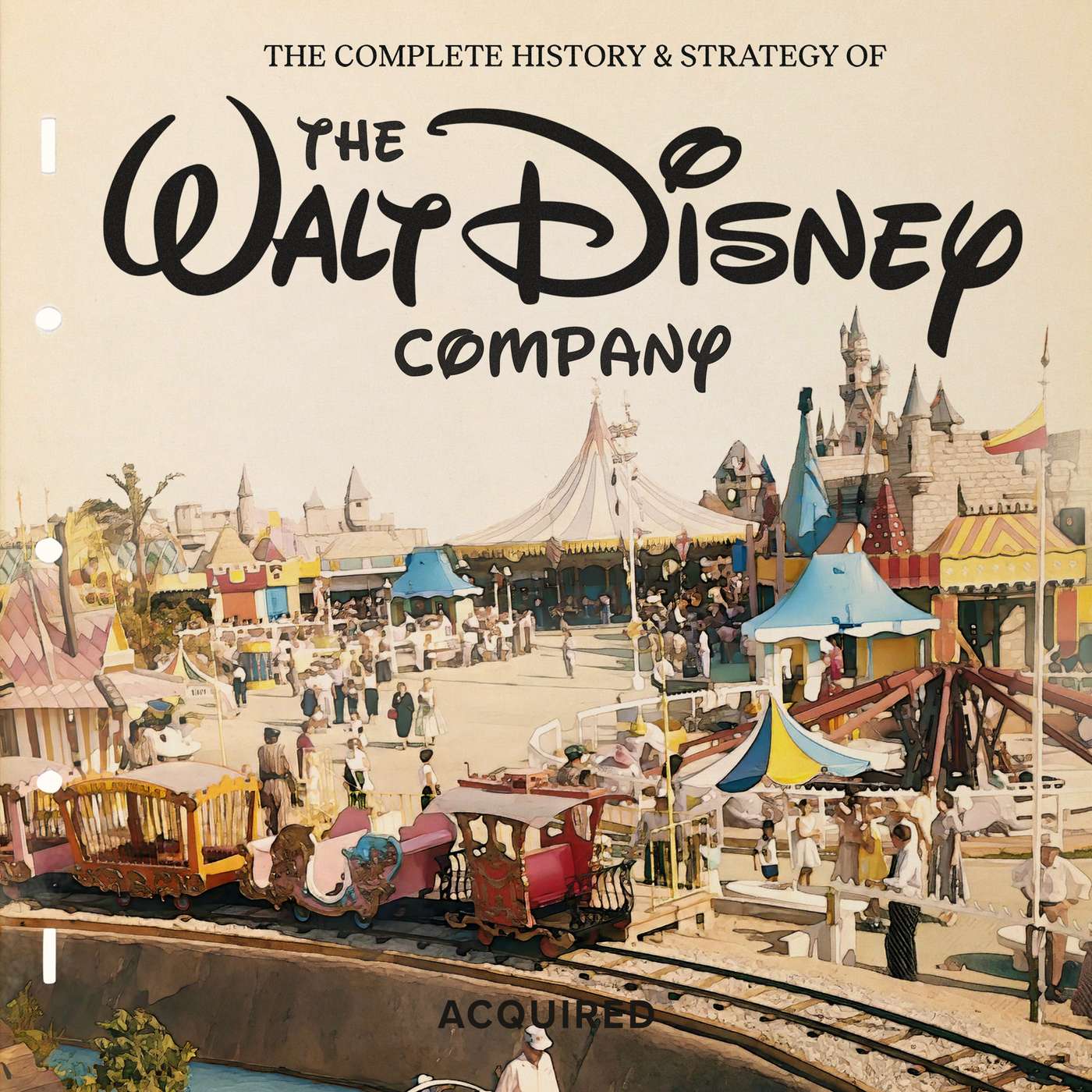
As AI makes content creation increasingly commoditized, the most durable and lucrative asset will be unique, ownable intellectual property like characters and storylines. This is because AI can replicate style and function, but it cannot replicate established brand equity and narrative ownership.

Taylor Swift’s re-recording of her masters highlighted a major risk for investors buying music catalogs. In response, the industry has added contractual protections to acquisition deals that prevent artists from re-recording their work, thereby securing the value of the underlying asset for buyers.

In media M&A, top-tier talent can effectively kill a deal if their terms for creative freedom and ownership are not met. The hosts of 'Pivot' stated they could have blocked the Vox Media acquisition, highlighting how crucial creators have become in modern media transactions.

A creator can secure editorial freedom from a corporate owner with a contractual 'off-ramp' clause. This stipulates that the owner's only recourse against content they dislike is to release the intellectual property back to the creator, not to censor it. This structurally protects free expression.
The longevity of an intellectual property hinges on its ability to transcend its original format. Mickey Mouse became an icon by expanding into film, TV, and theme parks, becoming a multi-dimensional character. In contrast, Beanie Babies remained shelf-bound toys, becoming a fad. Lasting value requires taking risks to expand IP across media.
