Get your free personalized podcast brief
We scan new podcasts and send you the top 5 insights daily.
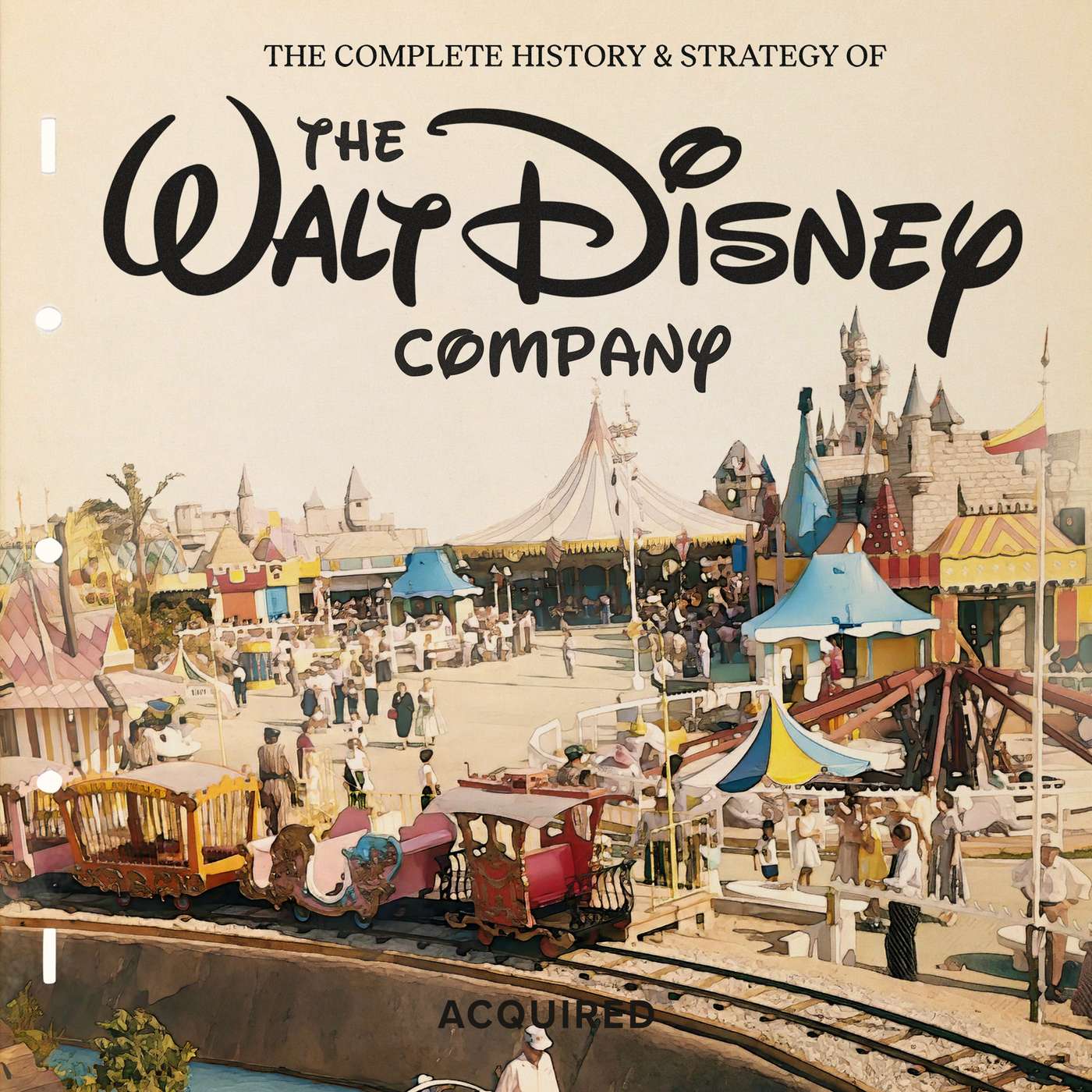
The company's relentless focus on owning and controlling its intellectual property stems directly from Walt Disney's early failure. He lost the rights to his first hit character, Oswald, in a contract dispute, a formative trauma that shaped Disney's business strategy for the next century.
Related Insights
Animated characters offer superior long-term value. They are timeless, ageless, and always available to work. This avoids the problems of aging actors, scheduling conflicts, and massive profit-sharing deals, making the underlying IP a more robust and controllable asset for a flywheel business model.
After the success of "Three Little Pigs," Walt Disney resisted making a sequel, believing you can't achieve the next great thing by repeating the last one. This philosophy encourages founders to reinvent themselves and pursue originality rather than derivative follow-ups, a trait seen in billionaires like Airbnb's Joe Gebbia.

Disney, known for aggressively protecting its IP, is partnering with OpenAI. This pivot acknowledges AI-generated content is inevitable, making proactive licensing a smarter strategy than reactive lawsuits to stay relevant and monetize its vast library of characters in the AI era.
The Disney partnership's primary value for OpenAI isn't the $1 billion investment, but the exclusive license to iconic IP. This provides a significant, albeit temporary, product and distribution advantage, creating unique generative experiences that differentiate ChatGPT from competitors and drive user engagement.
Disney uses ancillary products like daily comic strips and merchandise to maintain constant fan engagement and market presence. This keeps the brand top-of-mind without devaluing the scarce, high-quality core film releases, which are reserved for major cultural moments.
Disney, famously litigious in protecting its intellectual property, is licensing its characters to OpenAI because its leadership recognizes AI-generated content will happen regardless of their approval. This partnership is a proactive strategy to control the narrative, negotiate terms, and monetize an unstoppable technological shift.

When a distributor rejected Mickey Mouse for its lack of brand recognition, he held up a pack of Lifesavers candy as an example of a trusted product. This moment crystalized for Walt the need to make his own name synonymous with uncompromising quality, ensuring audiences would always seek out a "Walt Disney" production.
The famed 7-year rerelease cycle wasn't a grand strategy. It began in 1944 when a cash-strapped Disney rereleased "Snow White" out of necessity. They accidentally discovered they could capture a new generation of children with each cycle, creating a powerful, evergreen revenue stream from their existing library.
In the Warner Bros. acquisition, the value of seemingly dormant IP like Looney Tunes is meticulously calculated. Bankers assign specific multi-million dollar figures to assets like 'Foghorn Leghorn,' demonstrating that a deep, monetizable character library is a primary driver of these mega-deals, not just current blockbuster franchises.
The longevity of an intellectual property hinges on its ability to transcend its original format. Mickey Mouse became an icon by expanding into film, TV, and theme parks, becoming a multi-dimensional character. In contrast, Beanie Babies remained shelf-bound toys, becoming a fad. Lasting value requires taking risks to expand IP across media.
