Get your free personalized podcast brief
We scan new podcasts and send you the top 5 insights daily.
Brex avoids internal jealousy of its specialized AI team because its culture prioritizes and rewards direct business impact. Teams driving 60% of revenue feel valued and aren't clamoring for "cooler" AI projects that have less clear, immediate ROI.

Related Insights
Beyond a certain salary, top engineers are driven by creative purpose, not just compensation. Excel Data retains talent by encouraging engineer-led initiatives, such as building their own open-source data platform (ODP) or AI vulnerability-fixing agents, which fosters a culture of meaningful innovation.

To make AI adoption tangible, Zapier built rubrics defining "AI fluency" for different roles and seniority levels. By making these skills a measurable part of performance reviews and rewards, you create clear incentives for employees to invest their time in developing them, as behavior follows what gets measured.
To ensure AI adoption is a core competency, formally integrate it into your team's operating system. Webflow is redoing its career ladder to make AI fluency a requirement for advancement, expecting team members not just to use tools but to lead, own, and push the boundaries of AI in their work.

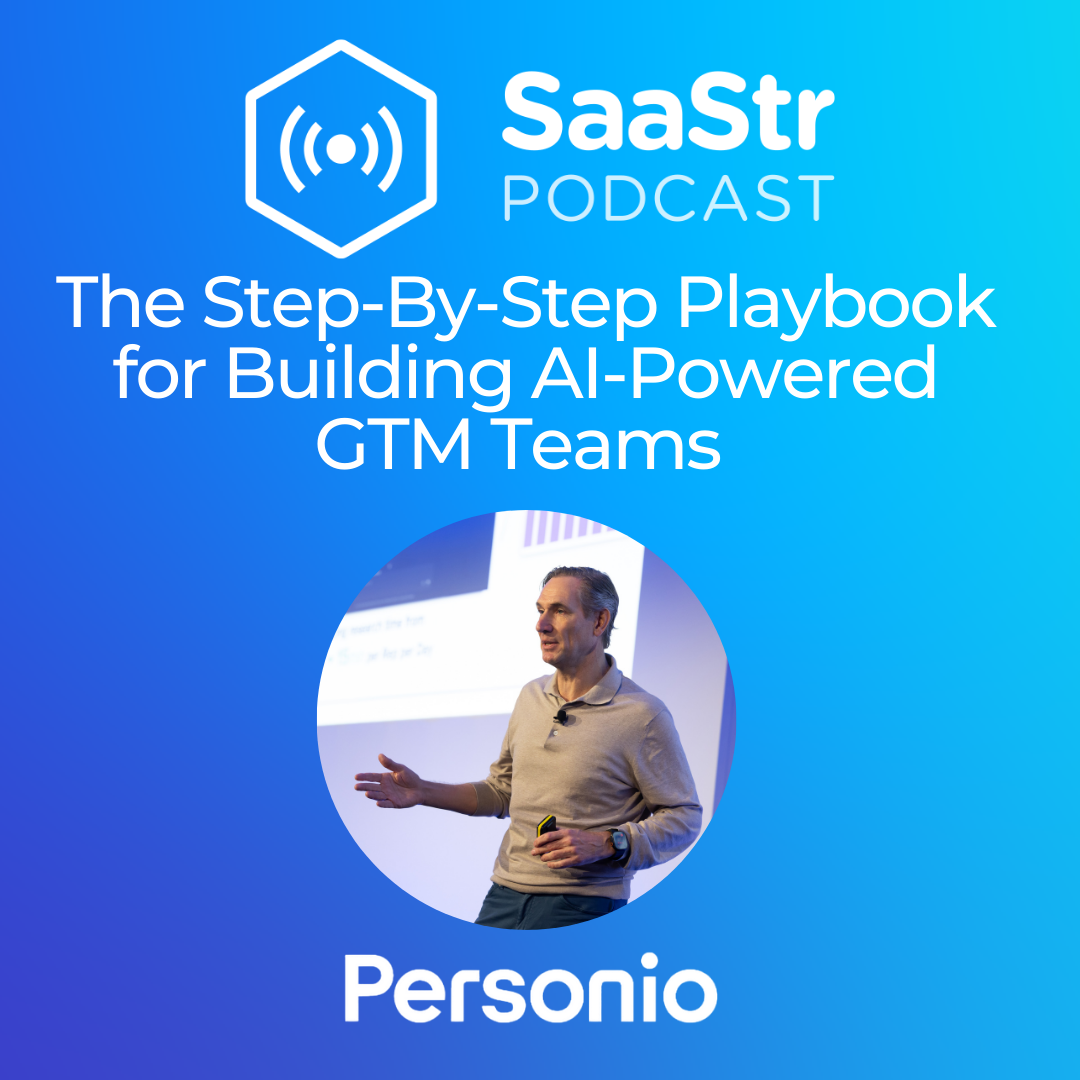
To foster an AI-centric culture, Personio goes beyond simple recognition and offers tangible, high-value incentives. They announced that several seats in their highly coveted annual President's Club trip would be reserved for employees who make the best contributions to their AI initiatives.
Brex structures its AI teams into small pods, combining young, AI-native talent who think differently with experienced staff engineers who understand the existing codebase, product, and customer needs. This blends novel approaches with practical execution.
Instead of abstract productivity metrics, define your AI goal in terms of concrete headcount avoidance. Sensei's objective is to achieve the output of a 700-person company with half the staff by using AI to bridge the gap. This makes the ROI tangible and aligns AI investment with scalable, capital-efficient growth.

To accelerate company-wide skill development, Shopify's CEO mandated that learning and utilizing AI become a formal component of employee performance evaluations. This top-down directive ensured rapid, broad adoption and transformed the company's culture to be 'AI forward,' giving them a competitive edge.

Instead of tracking hours or rewarding a "996" work culture, the V0 team's performance compass is business impact, measured in dollars. New hires are explicitly expected to deliver millions in impact within their first year by fixing issues that cause customer churn or frustration.

The very best engineers optimize for their most precious asset: their time. They are less motivated by competing salary offers and more by the quality of the team, the problem they're solving, and the agency to build something meaningful without becoming a "cog" in a machine.

Brex formed a small, centralized AI team by asking, "What would a company founded today to disrupt Brex look like?" This team operates with the speed and focus of a startup, separate from the main engineering org to avoid corporate inertia.