Get your free personalized podcast brief
We scan new podcasts and send you the top 5 insights daily.
Way's future CEO joined the scrappy startup not for the haircare, but because founder Jen Atkin had a brand vision that transcended the category, drawing inspiration from Range Rover and New Balance. This shows that a powerful, category-agnostic brand identity is a primary tool for attracting key early-stage talent.

Related Insights
Like Napoleon, founders can attract top talent by giving them a grand mission, branding teams to create a proud identity (e.g., "the men without fear"), and demonstrating they are in the trenches alongside their people. This builds loyalty far beyond compensation.

To recruit for the declining Pampered Chef, the team didn't sell the kitchenware product. They sold a compelling story: the chance to learn and grow quickly in a meritocracy, and be part of a historic business transformation. This attracted ambitious talent who wanted to build something unique.

Vector's CEO specifically sought a marketing leader with a content and brand background, not a traditional demand gen expert. This reflects a shift where storytelling and brand building are seen as critical drivers for early-stage growth.

Even in traditionally masculine sectors like heavy industry, adopting a neutral brand identity is a competitive advantage. Calcetra intentionally uses neutral language, colors, and fonts to avoid a 'heavily masculine' feel, which helps attract a more diverse talent pool by fostering a greater sense of psychological safety.

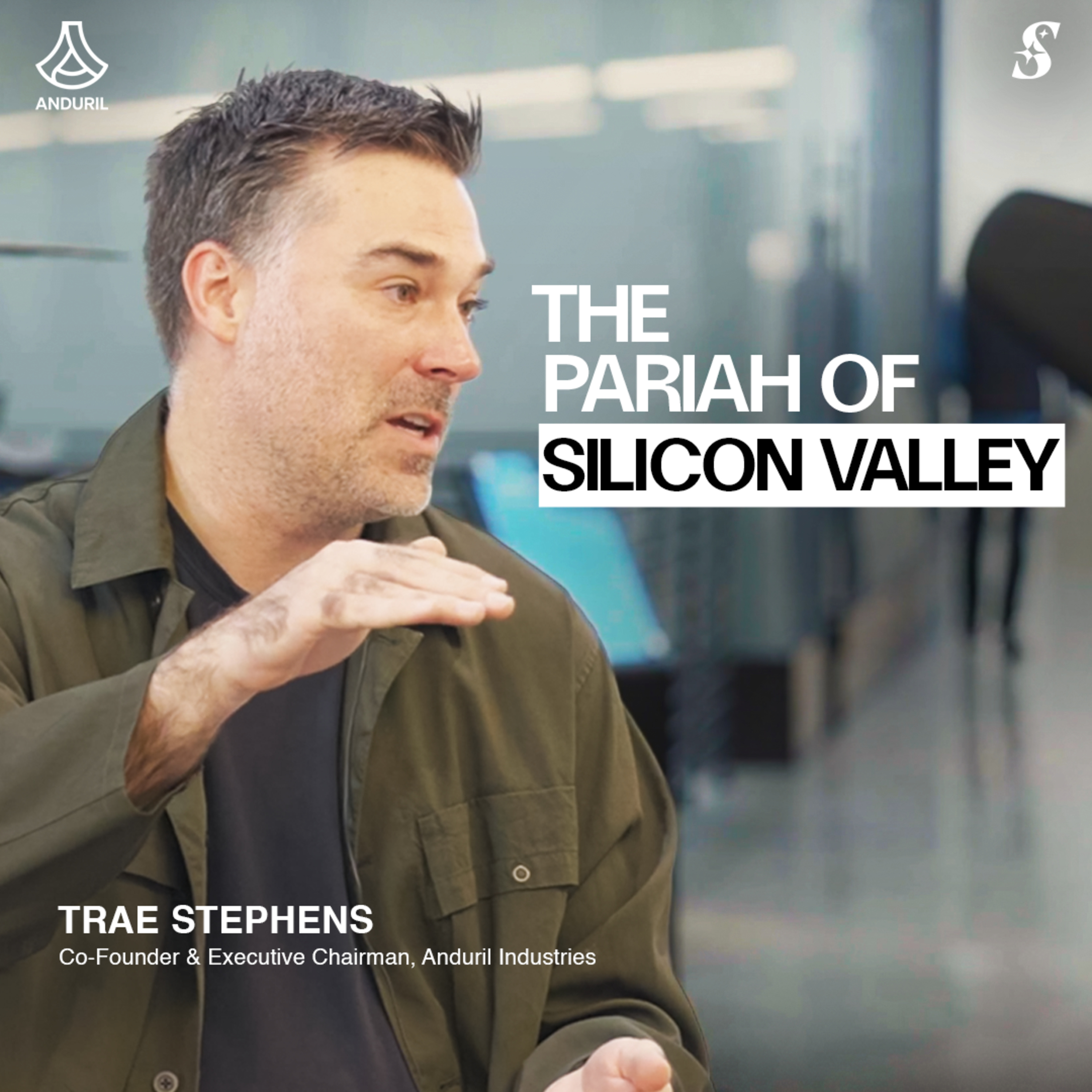
Anduril intentionally builds a strong, consumer-facing brand, not to sell products to the public, but to create a "Halcyon call" for talent. By hiring marketing and design leads from companies like Snap and Hulu, they make defense work appealing to world-class individuals who would otherwise never consider the industry.
For communities or companies like Dave Gerhardt's Exit 5, the founder's personal brand can become the primary differentiator. This creates a 'category of one' in the customer's mind (e.g., 'The Dave Gerhardt Community'), making direct comparisons difficult and establishing a powerful moat that transcends feature-based competition.
At the beginning, a startup is just an idea. A strong brand provides a clear narrative that resonates with potential hires, helping them make a decision based on identity and shared values. This attracts a cohesive team from day one.

Many founders conflate their brand with their first product. A successful company requires a broader brand positioning that can accommodate future products. This prevents the business from getting stuck as a single-product entity and enables long-term growth and category expansion.

To hire a founding designer, founders need a clear theory on how design will help the company beat its competition. This strategic framing is far more compelling than simply stating that design is important.
LoveSack operated successfully for years based on product instinct alone. However, transformational growth occurred only after the company intentionally defined its core brand philosophy—'Designed for Life'—and then amplified that clear message with advertising. This shows that a well-defined brand story is a powerful, distinct growth lever, separate from initial product-market fit.