Get your free personalized podcast brief
We scan new podcasts and send you the top 5 insights daily.
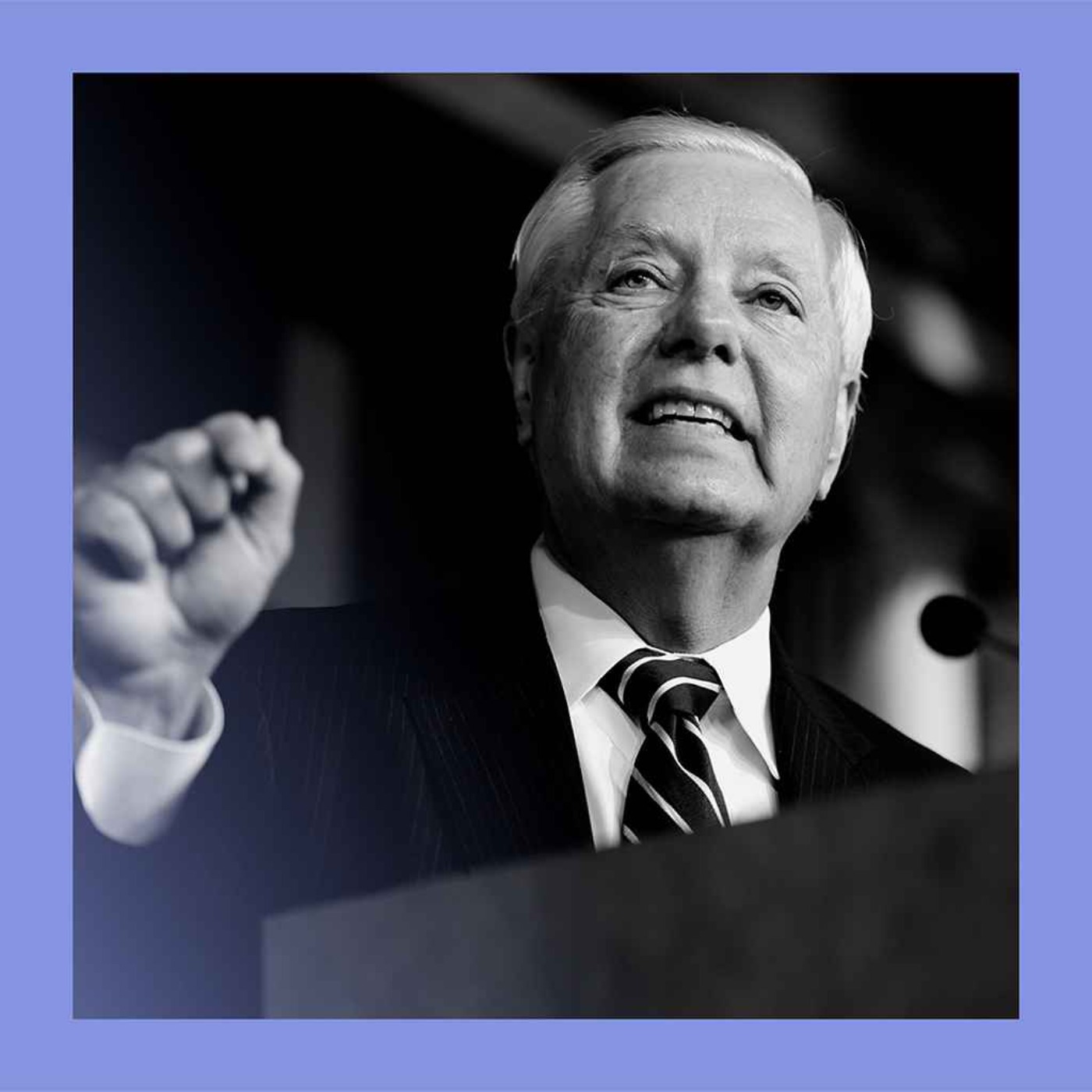
Sen. Graham's legacy is argued to be a profound failure of integrity. He quietly enjoyed the freedoms secured by the courage of LGBTQ+ activists while publicly aligning with those who sought to deny those same rights to others, effectively privatizing the benefits while outsourcing the risks.

Related Insights
Defending controversial political appointees by claiming they are a moderating force 'behind the scenes' is a fallacy. This argument ignores that their public statements and actions are independently destructive. It's a rationalization that reflects a lack of courage to hold officials accountable for the real, immediate damage they cause, regardless of their private intentions.

The gay rights revolution was not an independent victory but an incidental consequence of broader societal shifts, analogized to Estonia's independence after the USSR's collapse. Straight society first changed marriage through contraception and no-fault divorce, creating a freedom-based paradigm that gay people were later included in.

Senator Lindsey Graham initially denounced Donald Trump but later became a staunch ally. This transformation was not a change in core beliefs but a pragmatic decision to maintain political influence and access to power once Trump became the party's dominant figure, reflecting a broader party trend.
Survey data shows declining public acceptance for LGBTQ+ people since the late 2010s. This is attributed not just to right-wing attacks, but to a public backlash against policies seen as 'objectively ridiculous,' creating a resentment that harms the entire community, not just trans people.

Citing Tim Cook's sycophantic White House appearance, Scott Galloway argues that a leader's final actions are what people remember most. Just as with a divorce or leaving a party, being principled at the end is crucial. A late-career misstep can tarnish decades of success.

A clear definition of privilege is having the luxury to remain silent on uncomfortable issues like race and power. Choosing to engage in these conversations, despite the personal discomfort and risk, is an act of courage and responsibility.

Reid Hoffman pushes back on the idea that business leaders should stay silent on political issues to avoid risk. He argues that feeling fear is the precise indicator that courage is required, and leaders have a responsibility commensurate with their power to speak up for society.
The 'lone hero' myth is false. Facebook whistleblower Frances Haugen’s courageous act was enabled by a curated 'support squad' providing emotional, legal, media, and feedback support. This demonstrates that significant acts of bravery require an external scaffolding of resources and encouragement.

Constant exposure to scandals and amoral leaders creates a deep societal yearning for basic decency and good character in public figures. The value of having trustworthy role models in power becomes starkly apparent only in their absence, making it an underrated commodity.

Political allies often remain silent critics until a leader's power begins to wane. The recent increase in Republicans publicly questioning Trump's economic grasp demonstrates this principle. This belated courage is more about political survival and opportunism than genuine conviction, emerging only after the personal risk has subsided.