Get your free personalized podcast brief
We scan new podcasts and send you the top 5 insights daily.
Jason Burnt has not taken a salary from his company, instead reinvesting all profits back into growth. He funds his personal life through passive real estate income and a part-time pilot job. This challenges the "all-in" founder narrative, offering a more sustainable model for long-term, bootstrapped growth.

Related Insights
Rianne Silva didn't pay herself from Beauty Blender for eight years. She sustained herself and reinvested all profits by continuing her thriving career as a high-paid Hollywood makeup artist, working multiple jobs a day to generate the necessary capital.

Monologue creator Naveen Nadeau arranged to work three days a week at his old job while exploring new ideas. This provided financial stability and runway, allowing him to experiment with less pressure before committing full-time to his own venture.

While 8% of founders pay themselves nothing to maximize reinvestment for a future exit, this strategy is often regretted. Even among founders who achieved a multi-million dollar exit, many later wished they had paid themselves at least a small salary to improve their quality of life during the building phase.

To enable one co-founder to leave a stable tech job, Bashify's founders relied on brand deal income from their personal social media accounts. This alternate revenue stream acted as a financial safety net, allowing them to reinvest all business profits back into growth.

The optimal founder salary is a balancing act. It should be the largest amount the business can sustain without taking a hit, yet the smallest amount you can personally live on comfortably. This strategy frees up the maximum amount of capital for strategic reinvestment into the business's growth.

To bootstrap her company, the founder rented out her spare bedroom on Airbnb. This income covered her mortgage, freeing up 100% of business revenue for reinvestment. As a bonus, guests often became temporary helpers and early brand evangelists.

Despite a $50 million exit from their previous company, the Everflow founders intentionally limited their initial investment to a few hundred thousand dollars and didn't take salaries for two years. They believed capital scarcity forces focus and efficiency, preventing wasteful spending while they were still figuring out the product.

Young entrepreneurs often fail to scale because they withdraw profits for status symbols. The key to growth is radical reinvestment into the business, primarily in talent, while living on a minimal salary for as long as possible.

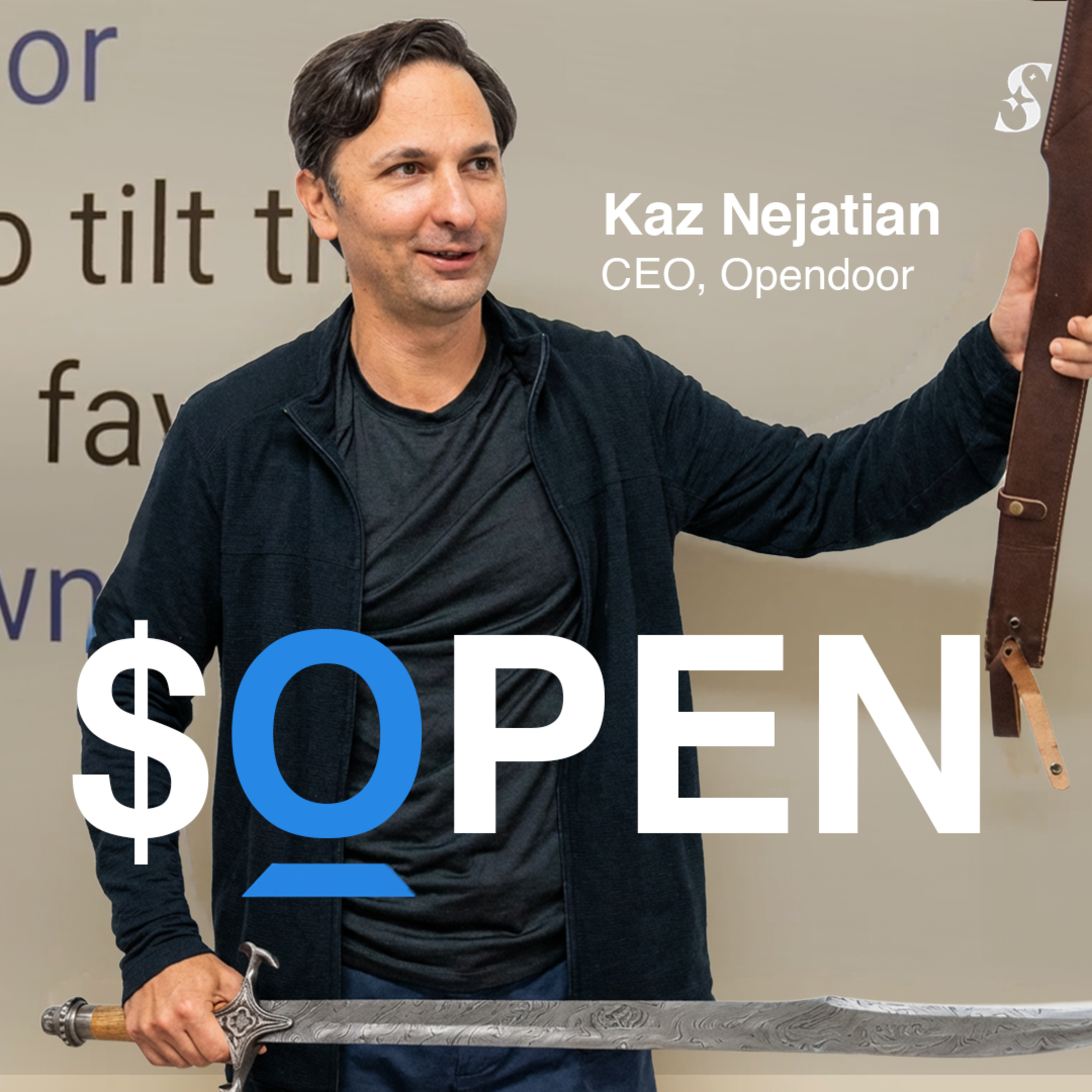
CEO Kaz Nejatian's compensation is a $1 salary, and he pays for his own benefits, resulting in a net-negative cash flow. This is an extreme form of "skin in the game" that aligns his incentives entirely with long-term shareholder value over a personal paycheck.
For sole owner Peter Daring, the purpose of profit isn't endless expansion but creating a buffer for stability and peace of mind. After meeting his personal financial needs, he prioritizes running a sustainable business where he and his team can feel secure, rather than chasing maximum returns for external stakeholders.