Get your free personalized podcast brief
We scan new podcasts and send you the top 5 insights daily.
As AI floods the digital space with grammatically correct but often bland or nonsensical content, the most valuable skill is shifting from pure writing to high-level editing. The ability to refine text, check for meaning, and ensure creativity—tasks where AI is weak—is becoming more critical and valuable.

Related Insights
AI makes generating high volumes of content easy, but this introduces "work slop" where quantity overwhelms quality. The new organizational challenge isn't production but sifting through excessive, low-value output. This shifts the most important work from creation to curation and judgment.

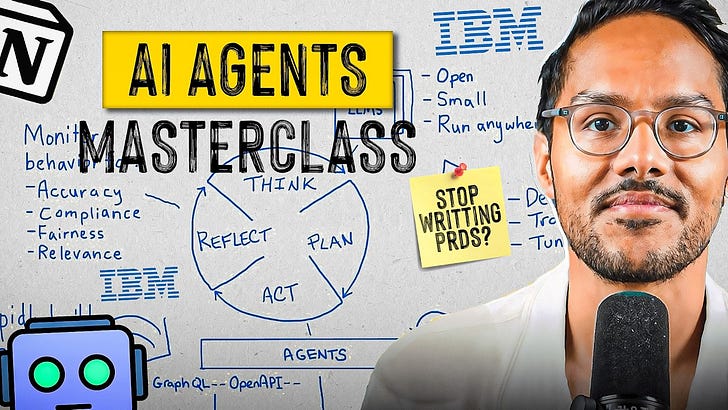
While AI tools once gave creators an edge, they now risk producing democratized, undifferentiated output. IBM's AI VP, who grew to 200k followers, now uses AI less. The new edge is spending more time on unique human thinking and using AI only for initial ideation, not final writing.
Contrary to widespread fear, data shows demand for skilled copywriters is rising. As AI floods the market with generic text, companies desperately need creative thinkers to strategize, edit, and craft compelling stories. Even AI companies are making multi-six-figure investments in creative roles.

AI excels at averaging existing data, pushing outputs toward the middle. This creates a premium on genuine human creativity, which is needed for differentiation and to produce standout content. AI isn't replacing creatives; it's increasing the demand for their unique vision and ability to generate extremes.

If AI were perfect, it would simply replace tasks. Because it is imperfect and requires nuanced interaction, it creates demand for skilled professionals who can prompt, verify, and creatively apply it. This turns AI's limitations into a tool that requires and rewards human proficiency.

The traditional content model of writers producing a small volume of high-quality pieces is being inverted by AI. Now, smaller teams can generate massive volumes of lower-quality drafts instantly. The team's primary role shifts to curating, refining, and perfecting this output, rather than originating every word.
Since AI can generate output rapidly, the differentiator is no longer speed but the quality of your judgment and clarity. AI acts as an amplifier; if your input lacks taste or direction, you'll simply produce "garbage faster." The most valuable skills become decision-making and refinement.

AI will automate the creation of first drafts, which are often based on existing ideas. This shifts the value from initial creation to refinement. The editor, who curates and improves the AI's output, will become more critical and valued than the writer who once created from scratch.

AI can accelerate human creativity by handling tedious tasks. The proliferation of AI-generated content will raise the bar for quality, creating a premium market and higher demand for authentic, human-created work.

As AI masters content generation, it will handle the "blank page" problem. The crucial human task will then shift from creation to evaluation: defining what 'good' looks like, identifying AI failure modes, and building better verification systems to ensure outputs are trustworthy and useful.
