Get your free personalized podcast brief
We scan new podcasts and send you the top 5 insights daily.
Field says the Adobe review lasted 16 months, which is punishing even absent anticompetitive harm. He cites Roomba going bankrupt after regulators blocked its small Amazon deal, arguing regulators fought past battles and pushed the market to China. He thinks market definitions should look forward.

Related Insights
Ben Thompson argues that regulators often block mergers in mature or declining industries, like stock photography, precisely when consolidation is a necessary defense against new threats like generative AI. This pattern can harm the very companies it's meant to oversee.
Prosus's CEO expresses frustration with European regulators who, while claiming to want local tech champions, actively block European companies from consolidating. He was forced to divest from Delivery Hero, knowing it would likely be sold to an American or Chinese firm, directly undermining the goal of creating a powerful European tech player.

Anticipating years of antitrust scrutiny for any major acquisition, tech giants are now opting for massive, multi-billion dollar IP licensing deals. This structure allows them to acquire talent and technology almost instantly, bypassing regulatory roadblocks that kill traditional M&A.
As traditional economic-based antitrust enforcement weakens, a new gatekeeper for M&A has emerged: political cronyism. A deal's approval may now hinge less on market concentration analysis and more on a political leader’s personal sentiment towards the acquiring CEO, fundamentally changing the risk calculus for corporate strategists.

In its failed merger attempt, Cisco argued its market competitors included Sam's Club, a claim regulators rejected. This illustrates that the core of an antitrust case is often not the raw market share number, but the highly debatable and often opaque definition of the market itself, which can be skewed by paid economists.

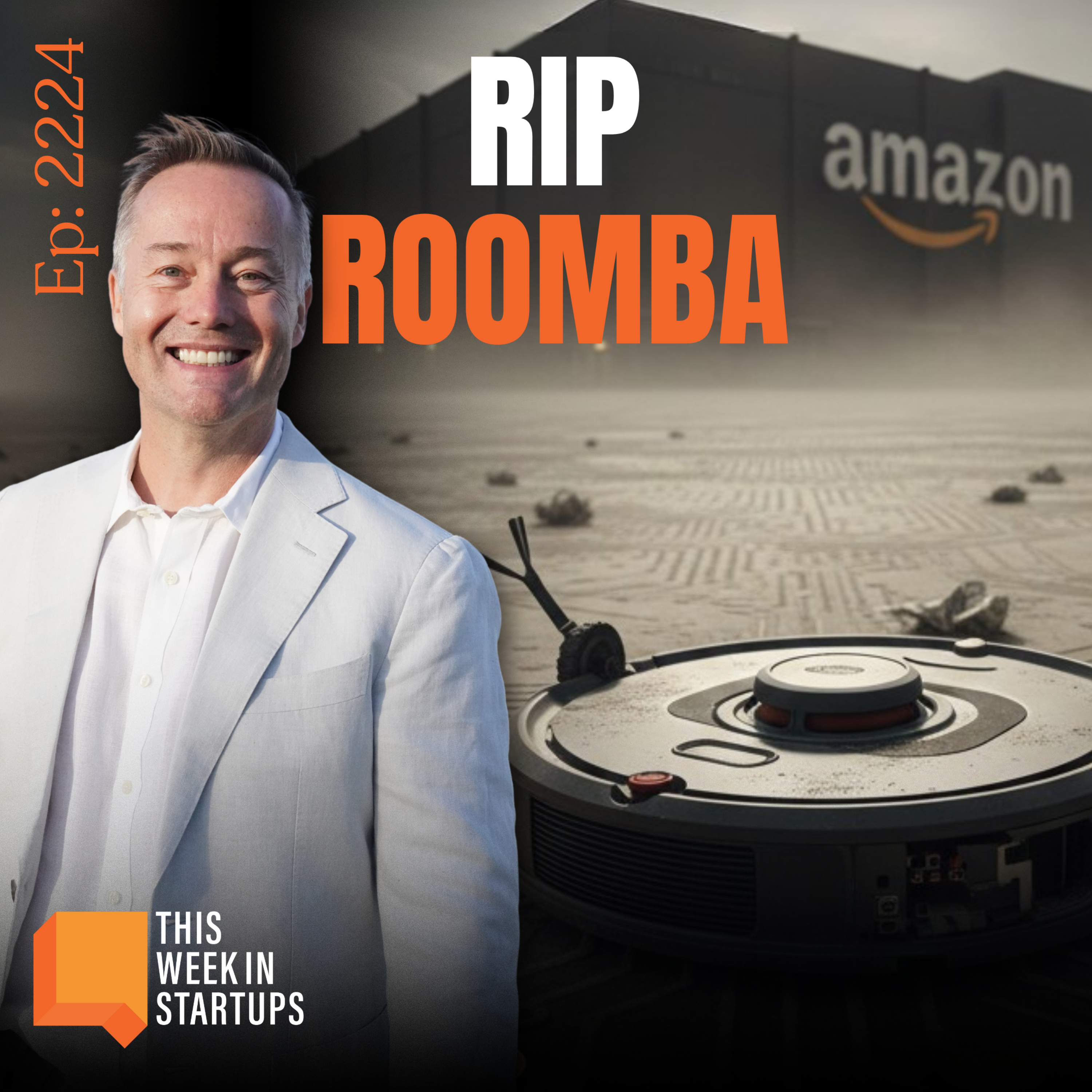
After regulators blocked Amazon’s $1.7B acquisition of iRobot, the robotics company went bankrupt. Its assets and IP were then acquired by its Chinese contract manufacturer, illustrating how antitrust actions intended to protect competition can inadvertently destroy American companies and cede technology to foreign entities.
When an industry is threatened by an external force like AI, consolidation is a key defensive strategy. Ironically, this is when regulators are most likely to intervene. Because these declining companies are knowable and easy to analyze, it makes it easier for regulators to block deals, preventing a necessary survival response.

Roger Lynch reveals the Weber Blackstone merger was stalled for months simply because the FTC lacked enough appointed commissioners to approve the deal. Once fully staffed, the deal was quickly approved, showing delays aren't always about the deal's merits.

Serial acquirers that scale by purchasing monopoly or sole-source suppliers eventually encounter antitrust barriers. TransDigm's $960 million acquisition of Stellant Systems was blocked by the US Department of Justice to prevent monopolization in radar systems. Because TransDigm's playbook requires acquiring proprietary, single-source suppliers to command high pricing power, stringent antitrust scrutiny directly restricts its future target universe, forcing the firm to pursue less optimal deals or accept reduced returns.

The FTC's failure to prove Meta held a monopoly set a powerful legal precedent, signaling that regulators face a high burden of proof. This has effectively given a green light to large-scale acquisitions, kicking off a "golden age of M&A" as companies feel emboldened to pursue mega-deals without fear of being blocked.
