Get your free personalized podcast brief
We scan new podcasts and send you the top 5 insights daily.
Venture capitalist Bruce Booth explains that bankers, lawyers, audit firms, and VCs all have strong financial incentives for a company to go public. This creates systemic pressure that may not align with the company's best long-term interests.

Related Insights
Similar to the short-lived direct listing wave, the idea of staying private indefinitely will likely only apply to a handful of elite, capital-rich companies like SpaceX. The vast majority of successful startups will still follow the traditional IPO path to provide liquidity and access public markets.

Contrary to the prevailing wisdom of staying private as long as possible, VC Keith Rabois counsels his portfolio companies to pursue an IPO once they hit ~$50 million in predictable revenue. He believes the benefits of being public outweigh the costs much earlier than most founders think.

According to Apollo's co-president, increasing questions around the off-balance-sheet debt used by AI labs to finance GPUs will pressure them to go public sooner than anticipated. An IPO would provide access to more traditional and transparent capital markets, such as convertible debt and public equity, to fund their massive infrastructure needs.
When the IPO window opens, nearly every stakeholder—from bankers and lawyers to VCs and management—is financially motivated to go public. This collective "irrational exuberance" can lead to a rush of mixed-quality companies, perpetuating the industry's historical boom-bust IPO cycles.

The traditional IPO exit is being replaced by a perpetual secondary market for elite private companies. This new paradigm provides liquidity for investors and employees without the high costs and regulatory burdens of going public. This shift fundamentally alters the venture capital lifecycle, enabling longer private holding periods.

While staying private can offer strategic advantages, particularly for future M&A, the biotech industry lacks a mature private growth capital market. Companies needing hundreds of millions for late-stage trials have no choice but to go public, unlike their tech counterparts.
While many private founders fear going public, David George of a16z claims he's never met a public CEO who regrets it. Key benefits include easier and often cheaper access to capital compared to private markets, increased transparency, and the discipline it instills. The narrative of public market misery is overblown for most successful companies.

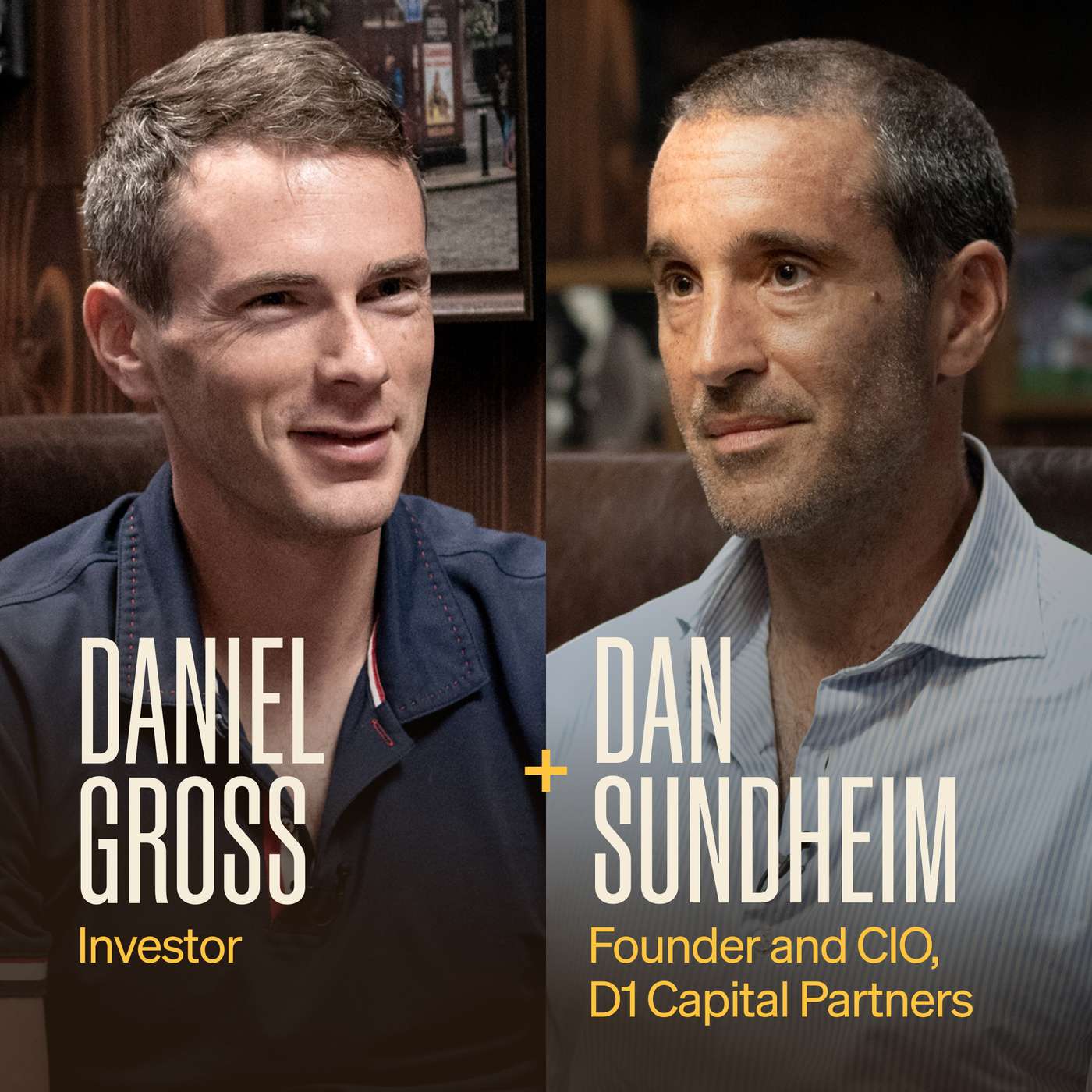
Dan Sundheim argues successful private companies should avoid going public. Public market volatility means stock prices, and thus employee compensation, are driven by sentiment, not fundamental value creation. Being dramatically overvalued can be as harmful as being undervalued, as it misaligns incentives for future hires.
For high-growth companies, reaching a $100M ARR milestone no longer automatically triggers IPO plans. With abundant private capital, many founders now see going public as an unnecessary burden, preferring to avoid SEC reporting and gain liquidity through private growth rounds.

To generate returns on a $10B acquisition, a PE firm needs a $25B exit, which often means an IPO. They must underwrite this IPO at a discount to public comps, despite having paid a 30% premium to acquire the company, creating a significant initial value gap to overcome from day one.