Get your free personalized podcast brief
We scan new podcasts and send you the top 5 insights daily.
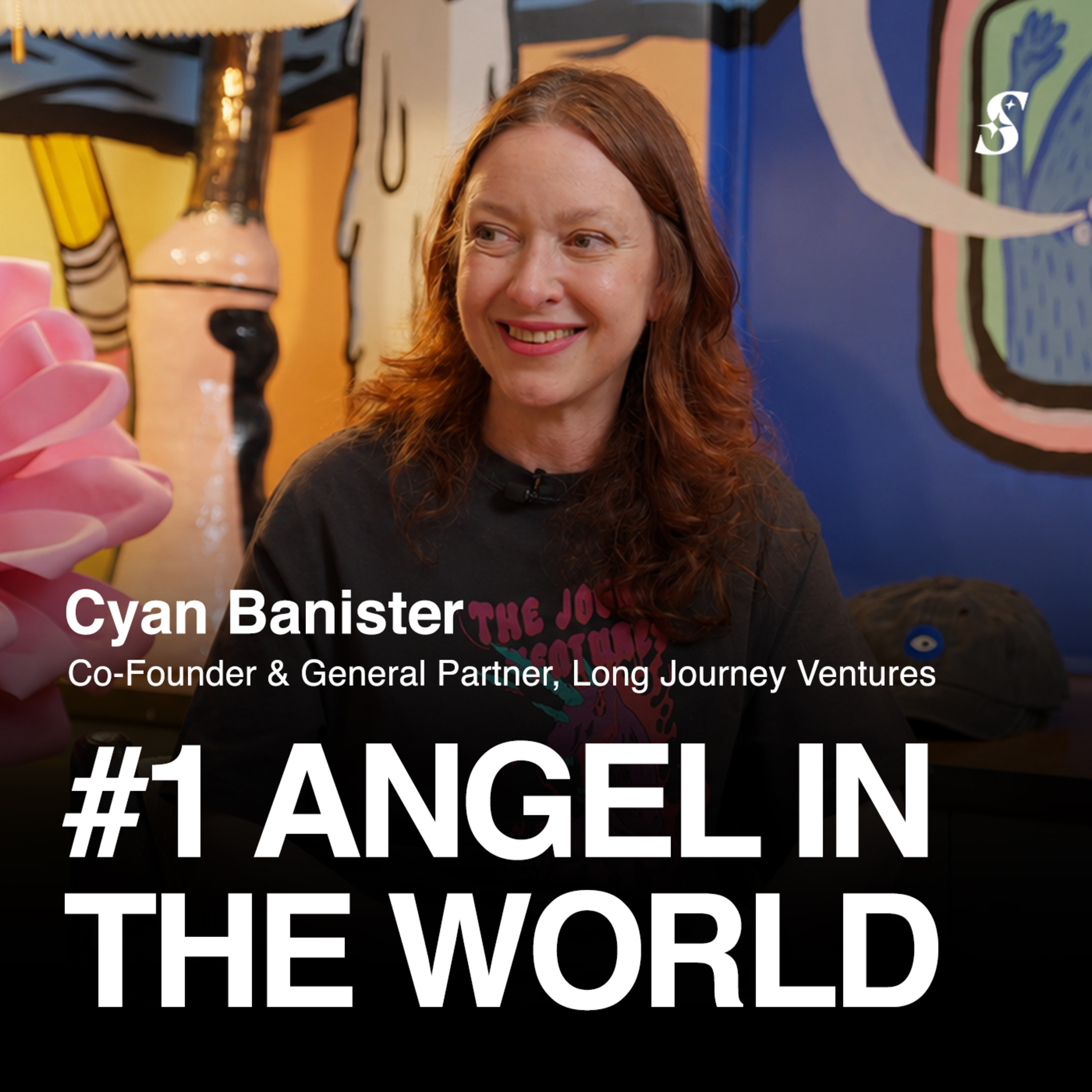
Long Journey's logo, a sheep's eye, challenges the "don't be a sheep" mantra. Cyan Banister argues that following a trusted leader, like using an iPhone, is a rational decision to outsource trust to an expert, not a sign of weakness.
Related Insights
Instead of complex leadership frameworks, the ultimate test is simple: do people willingly follow you? This quality is built on a foundation of hyper-communication, consistency, taking responsibility, and leading from the front. Ornate definitions are unnecessary; the proof is in the followership.
![Patrick O’Shaughnessy - Creating on Principle - [Invest Like the Best, EP.455] thumbnail](https://megaphone.imgix.net/podcasts/816fce6a-f5b6-11f0-9c9c-33831009577b/image/1f5ec11a816e37bc484e46cbf9b3421d.jpg?ixlib=rails-4.3.1&max-w=3000&max-h=3000&fit=crop&auto=format,compress)
The common perception of a 'rebel' is someone who disrupts for disruption's sake. A more effective approach is to be a disciplined, deep listener who understands unstated user needs and has the courage to build for the long-term, even if it means being misunderstood initially.
![The Right Way to Prioritize [Replay] thumbnail](https://storage.buzzsprout.com/9xn5wg1i0ed9bwrk6slghdmijcr6?.jpg)
A 'Product Rebel' is not a constant disruptor but is situationally aware. Sometimes they must be a 'chameleon,' blending in with stakeholders to build trust. Other times, they must be the 'lead goose,' stepping out to galvanize the team towards a shared goal. The skill is knowing when to switch personas.
A successful startup often resembles a cult, requiring a leader who communicates their vision with unwavering, first-person conviction. Hiding the founder behind polished PR spokespeople is a mistake; it neuters the contagious belief required to recruit talent and build a movement against impossible odds.

A leader's openness to outside advice is conditional. It is only at moments when they feel uncertain or don't know the way forward that they are truly receptive to new ideas. Leaders who have already fixed their views or are confident in their own judgment will often ignore even compelling counsel.

People are drawn to leaders who project absolute certainty because the human mind abhors confusion. This explains why bombastic figures often attract large followings, while nuanced thinkers who present complexity and are open to changing their minds struggle for similar traction.

Effective leadership is rooted in the core belief that people want guidance, but only from someone they trust can take them to a better place. This conviction empowers leaders to push teams beyond their comfort zones, knowing they will follow if they believe in the leader's vision and capability.

Patreon's co-founder reflects that early-stage leadership requires gathering diverse opinions. However, as the business and founder mature, it's crucial to shift from operating by consensus to using one's own internal conviction as the North Star for decision-making.

In a world wary of altruistic claims, especially from powerful figures, genuine trust is built on observable actions and concrete results. People inherently distrust those who merely claim to be doing good, demanding proof through deeds rather than words.

Inspired by his grandmother, Levi's CMO adopted the mantra "we are here to be in service of others." This reframes leadership away from authority and toward a purpose of enabling and supporting the people around you—be it team members, colleagues, or the broader community.
