Get your free personalized podcast brief
We scan new podcasts and send you the top 5 insights daily.
Deep expertise can sometimes lead to pessimism about new approaches. The key to breakthrough innovation is to collaborate with domain experts who possess deep knowledge but also maintain an optimistic and imaginative outlook, willing to challenge the status quo.

Related Insights
The most effective innovators combine two seemingly contradictory traits: a boundless imagination to envision novel solutions and a ruthless pragmatism that rejects ideas that can't be translated into reality. One without the other leads to either fantasy or stagnation.
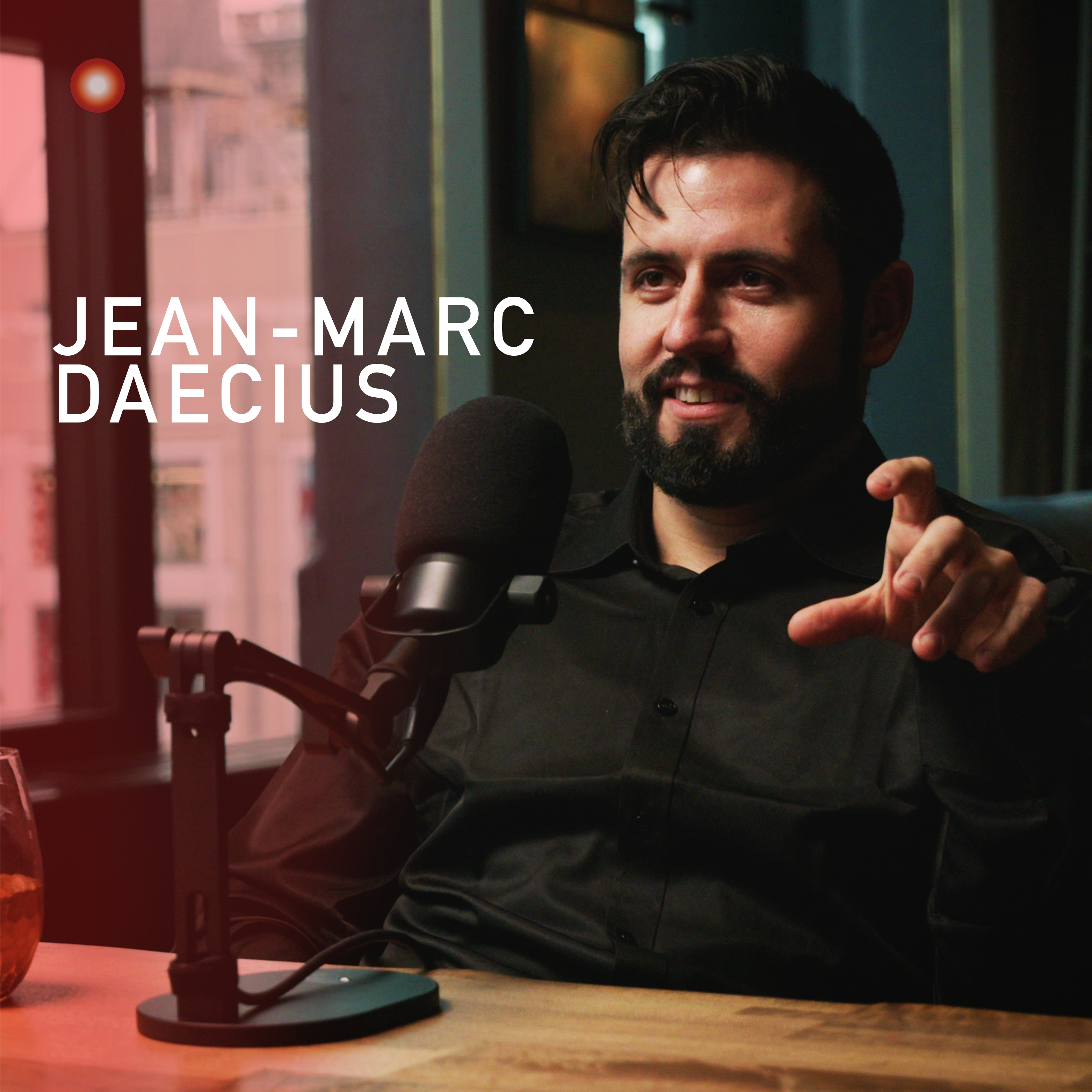
Etched's hiring philosophy is bimodal. They recruit "legends"—the world's best in a specific domain—and pair them with brilliant, inexperienced young talent. This combination provides both deep expertise and the aggressive, first-principles questioning needed to challenge industry norms.
![Etched - Building AI Hardware to Make Inference Faster and Cheaper - [Invest Like the Best, EP.480] thumbnail](https://megaphone.imgix.net/podcasts/532910c4-743d-11f1-b7dc-b31915c88b79/image/810c9e3a23b5c4ea0a56e5e4cc8d7e47.jpg?ixlib=rails-4.3.1&max-w=3000&max-h=3000&fit=crop&auto=format,compress)
Expertise can stifle innovation. Experts may become rigid and dismiss novel ideas that challenge established knowledge. Innovative organizations like Pixar recognize this danger and create processes to ensure experts and bosses don't dominate brainstorming sessions and kill nascent concepts.

Expertise can create cognitive confinement, limiting problem-solving to familiar methods. By intentionally adopting a beginner's curiosity, managers can break free from rigid thinking, ask novel questions, and discover innovative solutions that their expert perspective would have missed.
When building a team for a novel venture, prioritize curious qualities over pure credentials. Look for collaborators who are passionate, resilient, and 'iconoclastic'—comfortable challenging the status quo. Also seek out people with diverse outside interests, as they can draw unique connections and avoid narrow thinking.

Deep industry knowledge provides a clear "North Star" for product requirements, especially in regulated fields. However, it can also create biases leading to stale design patterns. The antidote is a team culture where the best idea, regardless of source, always wins.

While domain experts are great at creating incremental improvements, true exponential disruption often comes from founders outside an industry. Their fresh perspective allows them to challenge core assumptions and apply learnings from other fields.

The common practice of hiring for "culture fit" creates homogenous teams that stifle creativity and produce the same results. To innovate, actively recruit people who challenge the status quo and think differently. A "culture mismatch" introduces the friction necessary for breakthrough ideas.

Deep experts can be "particularly dangerous" to innovation because their established knowledge can cause them to prematurely shut down novel ideas. Drawing lessons from Pixar, innovative organizations must structure creative processes to ensure that neither experts nor bosses dominate the conversation and stifle nascent concepts.
Teams are composed of two mindsets: 'creators' who push boundaries with new ideas and 'doers' who execute existing plans. Asking a doer for creative, expansive ideas is a mistake, as they will default to what they know is achievable. True innovation requires tapping into your creators.
